

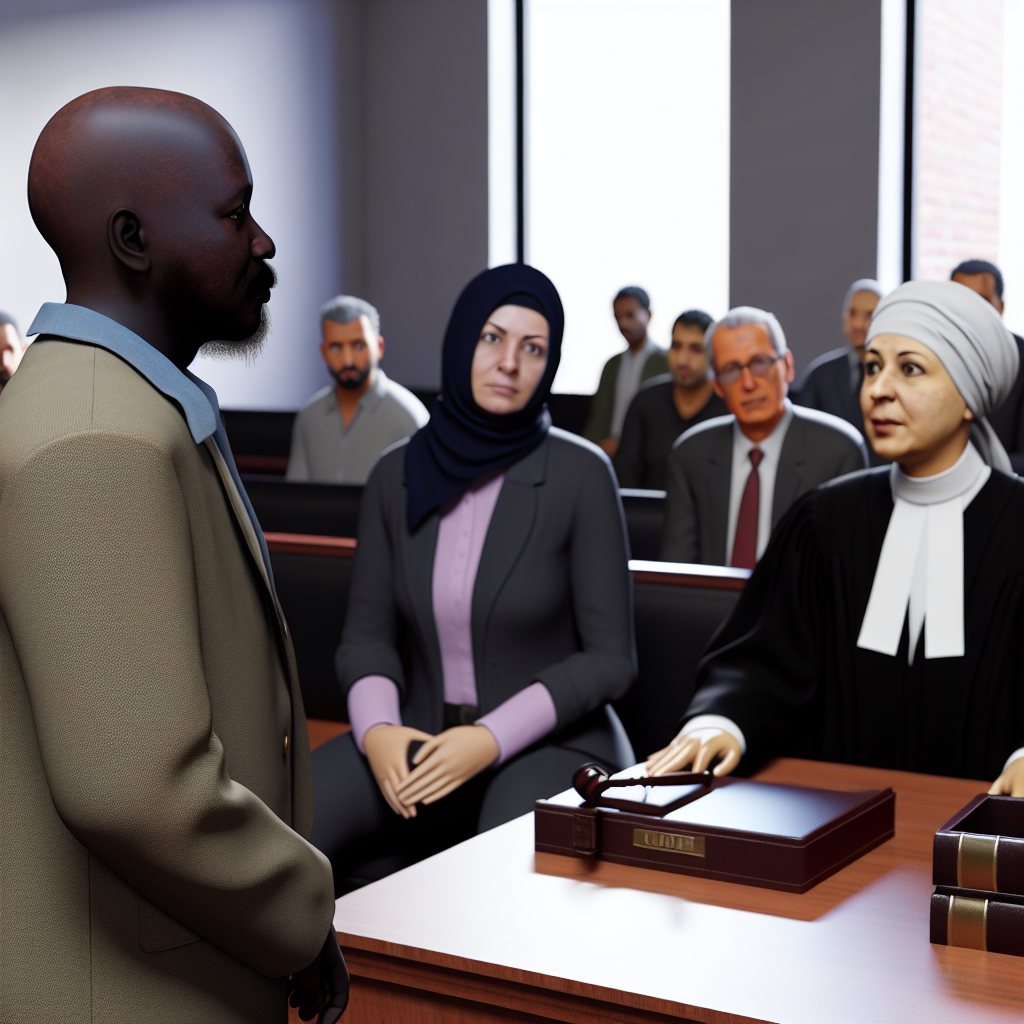
A federal judge delivered a significant ruling on Monday, blocking the Trump administration’s efforts to strip legal protections from over 350,000 Haitian migrants currently residing in the United States.
Judge Ana Reyes stepped in to prevent these individuals from being deported back to Haiti, a nation grappling with rampant gang violence that has left more than 1.4 million people displaced. The administration’s plans to revoke these protections were set to take effect just two days later, raising immediate concerns for those affected.
Appointed by President Joe Biden, Judge Reyes issued her decision in response to a lawsuit filed by the Haitian migrants themselves, who sought to safeguard their status amid ongoing turmoil in their homeland. Legal protections such as these are typically granted to people from countries suffering from natural disasters, armed conflicts, or other extraordinary events, allowing them to work and remain in the U.S. without fear of deportation.
The U.S. Department of Homeland Security (DHS) has aimed to end these protections for more than ten countries as part of the broader immigration agenda under President Trump. The administration contends that these legal safeguards were always meant to be temporary.
Haiti first received this status in 2010, following a catastrophic earthquake. Since then, extensions have been granted repeatedly, with the most recent being issued by the Biden administration in July 2024, which extended protections for another 18 months through February 3, 2026. This extension referenced the myriad crises Haiti faces, including severe economic, security, and health challenges.
After Trump assumed office, Homeland Security Secretary Kristi Noem attempted to terminate these protections, aiming for an August expiration date. However, a federal judge in New York ruled that she lacked the legal authority to do so. Following that setback, DHS moved to revoke Haiti’s protected status in November, arguing that “no exceptional and temporary circumstances” justified ongoing protections.
Despite these arguments, the situation in Haiti remains dire. UNICEF reported in October that more than six million people—over half the population, including 3.3 million children—are in need of humanitarian assistance.
As the legal battle continues, many look to the courts for refuge while the conditions in their homeland hang in the balance.
