

Supreme Court Declares UK Ban on Palestine Action Illegal
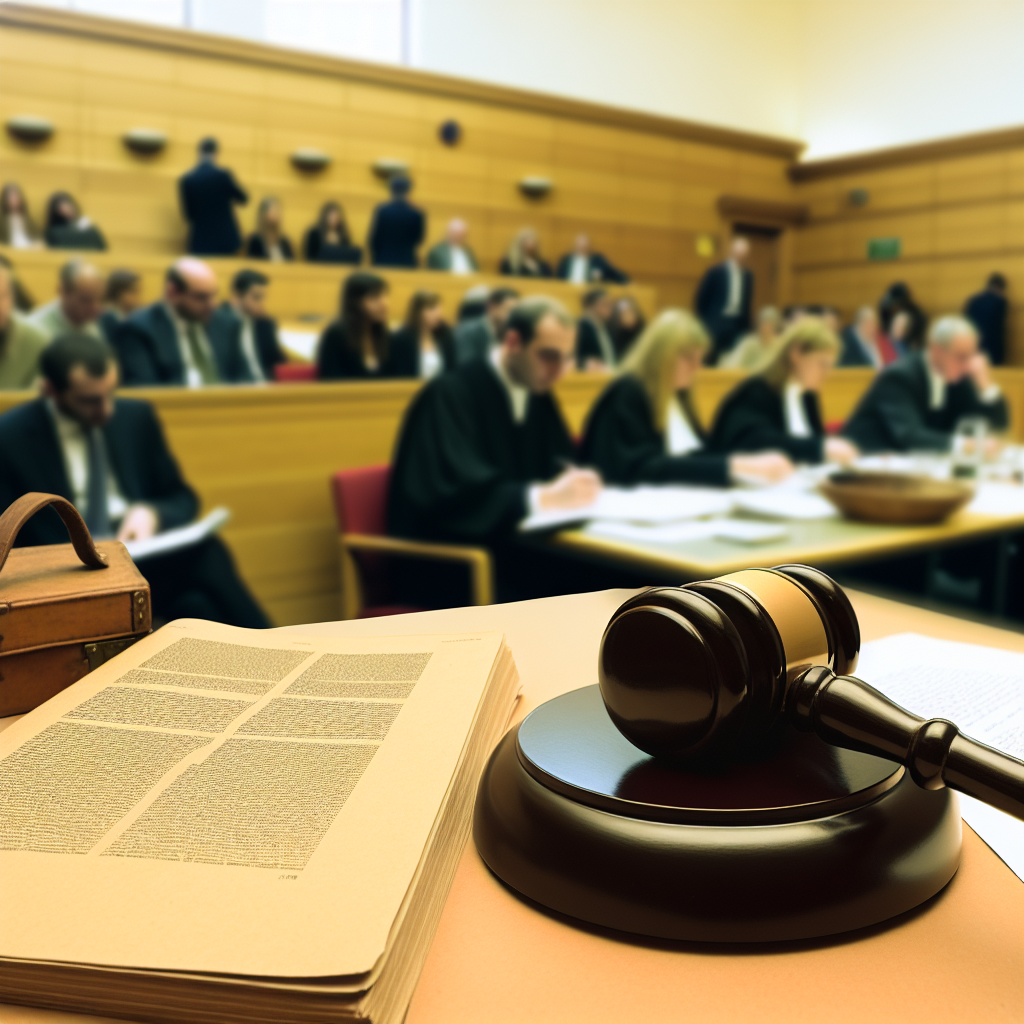
In a significant ruling, the Supreme Court of the United Kingdom declared the government’s ban on the activist group Palestine Action to be illegal. The decision, announced on Friday, has sent shockwaves through the political landscape and reignited debates on civil liberties in the UK.
The ban, which took effect on July 5 of last year, criminalized both membership in and support for the organization. However, a panel of three judges found the prohibition to be “disproportionate,” highlighting its severe intrusion on the fundamental rights of freedom of expression and assembly.
In response to the ruling, UK Home Secretary Shabana Mahmood expressed her disappointment and confirmed that the government plans to appeal the verdict. The court’s decision allows the ban to remain in place temporarily, giving the government time to contest this pivotal ruling.
Cheers erupted from the crowd of protesters assembled outside the Supreme Court as news of the decision spread. The initial ban imposed strict penalties—including potential prison sentences of up to 14 years for those associated with Palestine Action or expressing support for its activities.
Volker Türk, the UN’s High Commissioner for Human Rights, has previously criticized the ban as a “disturbing” misuse of the UK’s counter-terrorism legislation, underscoring the broader implications of such a measure on civil rights.
The UK Supreme Court serves as the ultimate appellate court for civil matters, but due to the unique constitutional principle of parliamentary sovereignty, its role is notably more limited compared to constitutional courts in other nations. This means the British government retains a pathway to challenge Friday’s ruling.
The ban on Palestine Action was instated in response to the group’s growing activities targeting defense companies with ties to Israel. Since the implementation of the ban, nearly 3,000 arrests have been reported, with hundreds facing charges that will lead them to the courtroom.
This ruling marks a crucial moment in the ongoing dialogue about the balance between national security and the preservation of civil liberties in the UK. As the appeal process unfolds, the ramifications of this case could resonate well beyond the immediate confines of the law.
