

When one reflects on Danish design, the mind often drifts to the iconic chair – the Swan Chair, the Egg Chair, the Wishbone Chair. Each stands as a testament to Denmark’s creative spirit, celebrated globally as design classics. In fact, a quick visit to Designmuseum Danmark reveals a hall dedicated entirely to chairs, a veritable library of seating options that beckons design enthusiasts far and wide.
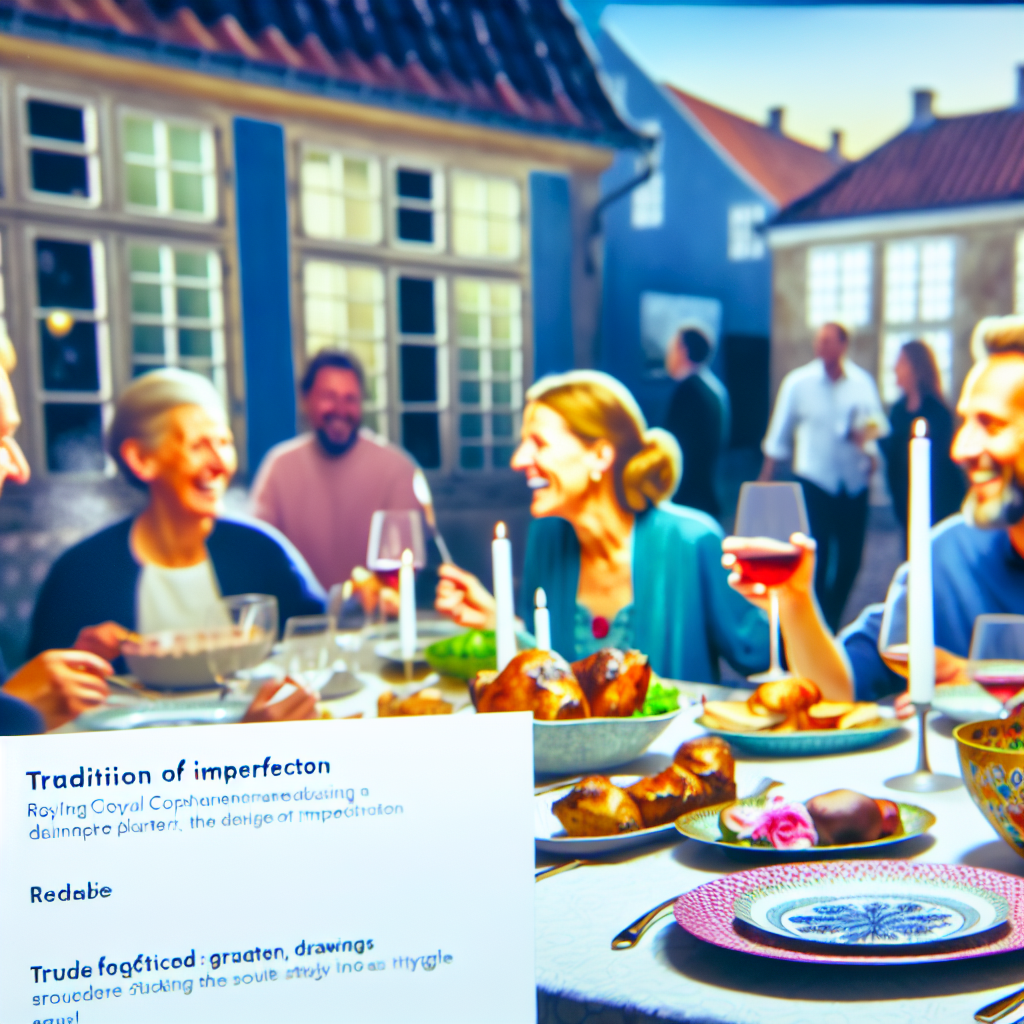
Yet, for me, the true embodiment of Danish culture lies not in the myriad forms of chairs, but in the humble table. It is around this centerpiece that families gather to savor traditional Danish cuisine, transforming meals into communal celebrations. Here, the conversation flows easily, lingering long after the last bite has been shared—a place where the essence of hygge thrives, fostering connections or, at times, signaling the inclusion—or exclusion—of those around it.
Inclusion Based on the Number of Chairs
In my talks, I’ve often highlighted the differences in dining traditions between Denmark and warmer locales, such as Southern Europe. There, a dinner invitation feels casual, an open-door policy. Picture this: someone casually announces, We’re having chicken. Come on over. To which the reply might be, Oh, I can’t—my cousin is here. The response? Bring your cousin! The invitation expands to include any and all, as the meal grows, seemingly without limit.
In contrast, the Danish dinner invitation is steeped in formality. Our table accommodates precisely eight chairs, and with them, room for only eight guests. There’s no spare chair for that cousin of yours.
A Dinner Invitation in Denmark is an Honor
To receive an invitation to a Danish home for dinner is considered a privilege—one that often prompts attendees to dress with more care than they might for work. Women might don a lovely blouse paired with a tailored jacket, while punctuality reigns supreme; in Denmark, the concept of “fashionably late” holds little weight.
As guests arrive, they find the table adorned with elegance: cloth napkins in tasteful rings, candles flickering softly, and a few thoughtfully placed blooms, so as not to obstruct conversation. Each glass has its designated purpose: water, wine, and perhaps even small glasses for a toast of aquavit.
Setting this table is not just choreography; it is an art form rooted deep in Danish tradition, often showcasing the exquisite Royal Copenhagen dishes.
Royal Copenhagen Dishes are a Tradition
One cannot discuss a Danish table without mentioning Royal Copenhagen, the esteemed blue-and-white porcelain crafted since 1775. In its time, porcelain was nothing short of a marvel. Today, it might seem ubiquitous—filling antique shops alongside whimsical figurines—but then, it was a luxury fit for royalty.
Originating in China, the art of porcelain was elusive until European potters, starting with those in Meissen, Germany in 1710, cracked the code. By 1775, Denmark joined the porcelain renaissance, with Queen Juliane Marie inaugurating the Royal Porcelain Factory, which cultivated a signature style of hand-painted cobalt blue flowers—thanks to cobalt sourced from Norway, then part of the Danish realm.
Updated Royal Copenhagen Patterns
Far from being mere souvenirs for tourists or heirlooms of a bygone era, Royal Copenhagen porcelain has captured the hearts of younger generations. During my part-time shifts in a local shop, I’ve watched young women in their twenties eagerly choose these dishes, a testament to two savvy business decisions.
First, the brand, now under Finnish ownership, continues to modernize its offerings. The hand-painted blue patterns that grace dinner tables today are bolder and more dynamic than those cherished by previous generations, all while remaining dishwasher-safe—a practicality that resonates with contemporary lifestyles.
Royal Copenhagen Breakage Guarantee
Secondly, in a move that marketing students might do well to study, Royal Copenhagen offers a breakage guarantee: should one of your cherished pieces succumb to the trials of daily dining within two years of purchase, a replacement is yours at no cost. This initiative encourages customers to genuinely use their fine china—serving meals, rather than letting them gather dust in glass cabinets.
A Gift to Start the Collection
For Danes, welcoming a new colleague or an international spouse often involves the thoughtful gesture of gifting a piece of Royal Copenhagen as a starter for their collection. A delightful team of coworkers graciously bestowed me with one during my housewarming, a lasting memento of my arrival in Denmark.
It was a lovely reminder that, even if I wasn’t yet granted a chair at the table, I was indeed included in the tapestry of Danish life, plate in hand.
