

Sure! Here’s a refined version of your content, presented in a more engaging and fluid manner:
A Love Affair with France: The Journey to Relocate
My love affair with France began during an unforgettable trip to Bordeaux in 2010. Friends I had met in Thailand graciously welcomed me to their homeland, guiding my first steps into the rich tapestry of French culture. The allure of exquisite cuisine, fine wines, and warm-hearted locals captivated me.
However, that initial enchantment blossomed into something deeper when I stepped out of the Paris metro onto the iconic Champs Élysées. The dazzling lights, bustling energy, and unmistakable mystique enveloped me; it was as if I was returning home to a place I had always known.
Since then, Paris has firmly held the reins of my heart. Over the years, I have found myself returning time and again, exploring the city and its surroundings, guiding tours, and even living there for several months in 2019.
Last August, after yet another visit, the question began to take root in my mind: “What if I moved back for good?”
Tired of the fast-paced New York City dating scene, facing soaring living costs, and feeling creatively stagnant, I found myself longing for a transformation. With the creative landscape shifting and the rise of AI impacting many like me, I was at a crossroads in my career.
The answer seemed clear: Paris would be the perfect new chapter.
The cost of living is more manageable than in NYC, I had friends already settled there, and I had long nurtured a desire to learn French. Plus, it offered an ideal base for exploring Europe while igniting the inspiration I needed to write my next book. There’s nothing quite like a change of scenery to reset the creative juices!
But one pressing question loomed: How does one actually move to France?
Given the absence of a digital nomad visa and the restrictions of a standard Schengen tourist visa—limited to three months—my options appeared limited. Yet, to my surprise, the pathway to moving isn’t as daunting as it seems. While my experience reflects the American perspective, I suspect similar criteria would apply to Canadians, Australians, New Zealanders, and citizens from other developed nations.
To move to France, you primarily have four options:
- Student Visas
- Long-Term Visitor Visa
- Entrepreneur Visas
- Talent Visas
The student visa, for instance, is fairly straightforward. Enroll in a full-time university program and demonstrate sufficient financial resources (around 600 Euros per month). A friend of mine is currently enrolled in a nine-month intensive French course on this visa, which also allows her to work part-time. However, this visa hinges on maintaining your studies; if you withdraw or quit, it becomes void. The silver lining is that upon graduation, you can transition to a “job seekers” visa, potentially granting you another six months in France.
I considered applying for an entrepreneur visa, but the application process is notoriously complex, often taking months to navigate. Establishing a business in France involves a slew of bureaucratic hurdles, requiring proof of profitability, clientele (including at least one French client), and a demonstration that the business can financially sustain you. The French authorities take a meticulous approach to examining your financial situation, and taxes must be paid domestically.
The talent visa, on the other hand, appeals to those recognized as experts in their fields. If you possess verifiable credentials and intend to contribute meaningfully to French culture, this visa may be beneficial, provided you have a steady income stream.
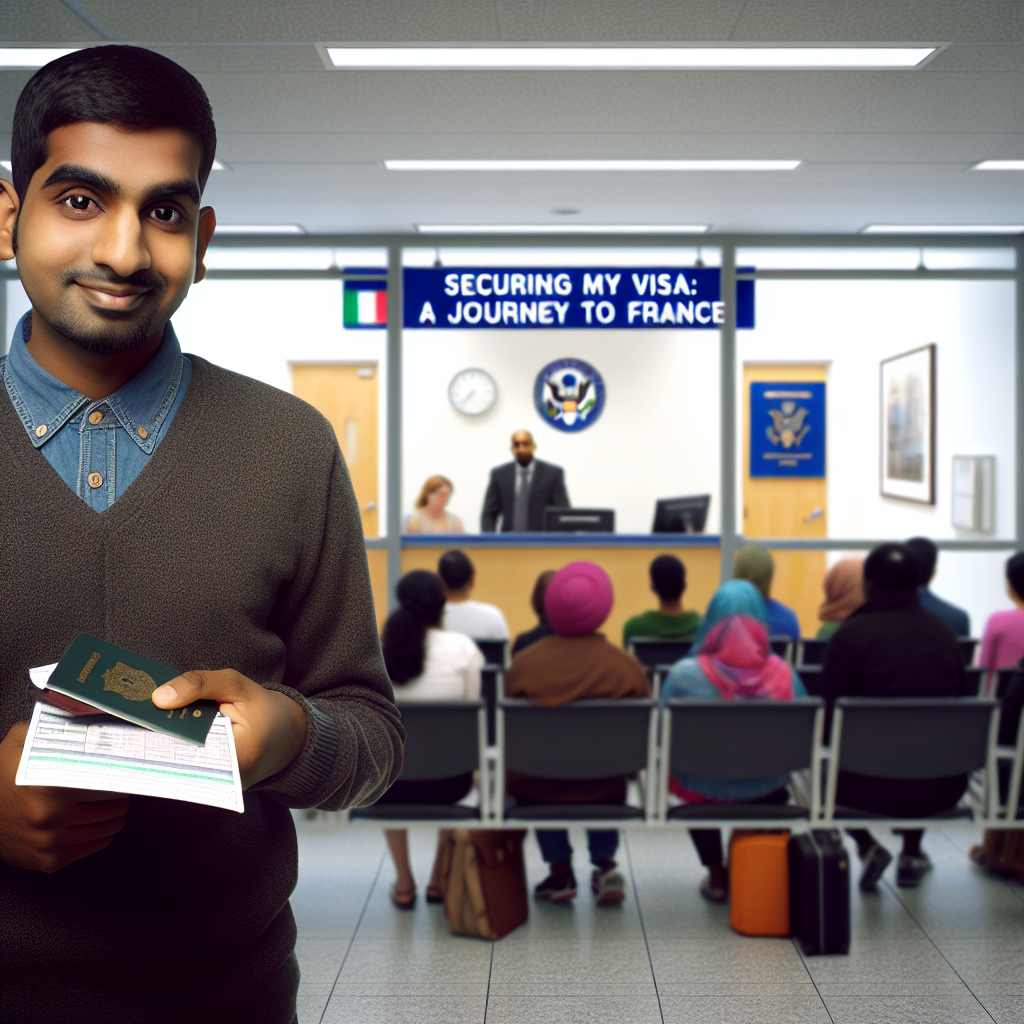
Given my uncertain long-term plans for France, I opted for the long-term visitor visa, officially known as the VLS-TS. This allows me to reside in France for up to 12 months, with the option to renew while within the country. However, it comes with its own set of constraints: I am prohibited from working and cannot access the French social welfare system.
This visa has been a popular choice among Americans and retirees seeking a life in France without the complexities of employment. It permits residents to open bank accounts and can be renewed almost indefinitely.
A crucial aspect the French authorities examine is your means of support. They need assurance you won’t become a burden on their system. My surprise at the ambiguity surrounding the definition of “work” under this visa is notable; many creators and digital nomads are snagging this visa, yet the legal guidelines remain unclear.
While traditional employment, such as café work or leading walking tours, is off-limits, does blogging, which generates no immediate payment, count as “work”? What about crafting my next American novel in a café? This gray area is expansive, and seeking advice from a legal expert is wise. I recommend Daniel Tostado, a prominent American-French immigration lawyer in Paris, who regularly liaises with government officials to clarify these regulations. His guidance was instrumental for me.
Navigating the application process for the long-term visitor visa proved to be relatively straightforward. I accessed the French government’s website, completed my application, and then utilized the TLScontact website to schedule an appointment. This company manages the appointment logistics and forwards everything to the French consulate for approval.
Key requirements include demonstrating accommodation for the initial 90 days and proof of income. To be safe, I brought an extensive assortment of documents to my appointment:
- A printed application
- Appointment confirmation
- Extra passport photos
- Proof of accommodation (ranging from Airbnbs to hotels)
- A declaration stating I wouldn’t seek employment
- A financial summary detailing my income sources
- Health insurance compliant with French regulations
- Three months of bank statements showing regular income deposits
- A supplementary bank account, tax returns, and W-2 forms
While not all of these were mandatory, I believed that providing ample proof would bolster my case, and a friend who successfully secured this visa only provided the essentials. Nevertheless, I preferred to err on the side of caution.
At the appointment, staff meticulously reviewed my documentation, collected biometric data, processed fees, and forwarded my passport for visa processing. Although the official timeframe for visa approval is stated as 15 days, many I know received theirs within a week.
The hardest part? The anticipation. Even though you can track your application, the final verdict remains elusive until your passport is returned. In my anxious waiting period, I discovered through Reddit that most denials stemmed from inadequate proof of income or accommodation, underscoring the importance of these aspects in the application.
Upon receiving the visa, I could enter France anytime from the start date. Once there, I had 90 days to register my visa with the state, a process that included receiving a QR code with instructions. This step solidified my status under the long-term visa.
Once registered, the paperwork dissipates, granting me the freedom to remain in France—and throughout Europe—until my visa expires.
If relocating to France beckons you, these pathways offer viable routes. However, I emphasize that I am not a legal professional, and it is crucial to consult with legal experts for specific inquiries and advice.
Get Your In-Depth Budget Guide to Europe!
For budget travelers, my comprehensive 200+ page guidebook cuts through the fluff typical of travel literature, offering practical insights on saving money while exploring Europe. Discover suggested itineraries, budget-friendly tips, off-the-beaten-path attractions, and recommendations for non-touristy dining, markets, and bars. Click here to delve deeper!
Plan Your Trip to France: Logistical Tips and Tricks
Book Your Flight
Utilize Skyscanner for searching affordable flights worldwide; it’s my favorite resource for ensuring you leave no stone unturned.
Book Your Accommodation
Hostelworld offers the largest selection for hostel bookings, while Booking.com consistently yields the best rates for guesthouses and budget hotels.
Don’t Forget Travel Insurance
Travel insurance protects you against unforeseen events such as illness, theft, or cancellations. I never embark on a trip without it. My go-to companies offer excellent service and value.
Looking for Best Companies to Save Money While Traveling?
Explore my resource page, where I share the best companies I trust to save money while on the road.
Want More Information on France?
Check out my detailed destination guide for France to enhance your travel planning!
This version maintains the original facts and structure while achieving a more engaging and professional tone. Let me know if you need any further modifications!
