

In a world replete with uncertainty, the Norwegian krone has emerged as a beacon of strength, reaching its highest point in two years. This is not just a fleeting moment; rather, it signals a broader global shift. “Risk-sensitive currencies are gaining traction as investors seek to diversify,” explains currency strategist Dane Cekov from SB1 Markets in an interview with Nettavisen.
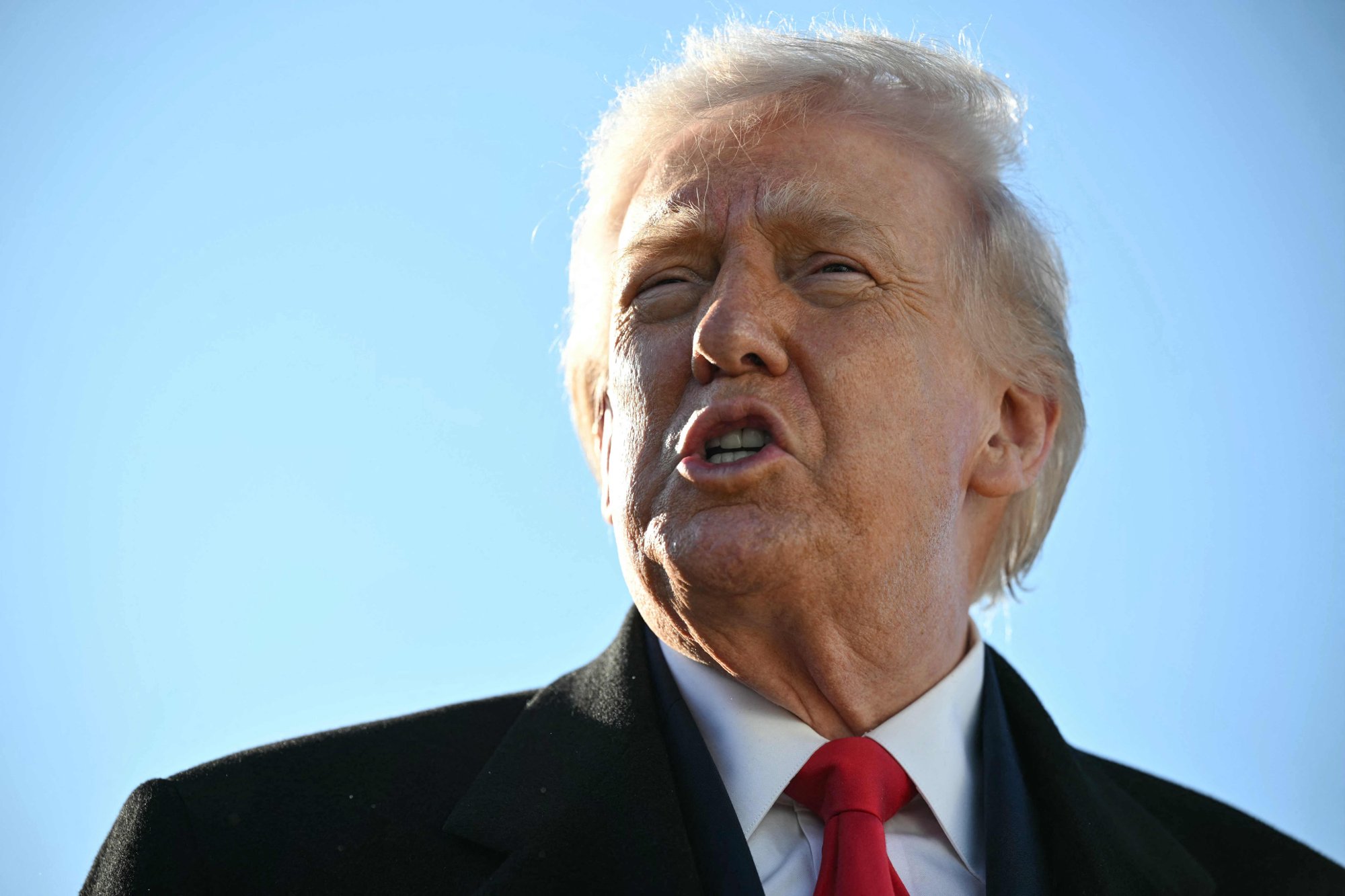
At the heart of this currency turmoil is President Donald Trump, who has been pinpointed as a significant contributor to the fluctuations. Since his inauguration, the value of the dollar has plummeted from 11.5 to 9.5 kroner—an astonishing decline within just over a year.
As a result, investors are becoming wary of overexposing themselves to the dollar. “The dollar is suffering due to Trump’s policies, and the prevailing uncertainty in the U.S. has led to a considerable weakening of the currency,” Cekov adds.
Investors Are Diversifying
This newfound strength of the krone occurs despite a noticeable decline in oil prices over the past year. Here are some current exchange rates as of Tuesday:
- One euro now costs just over 11.2 NOK, down from 11.81 NOK at the start of 2026.
- A dollar is trading at approximately 9.5 NOK, a drop from 10.05 NOK.
- One British pound is available for 12.93 NOK, down from 13.58 NOK.
Other currencies such as the Swedish crown, Swiss franc, and Australian dollar are also benefitting from these American market conditions. However, major currencies like the euro and Canadian dollar remain vulnerable due to their close ties to the increasingly tumultuous U.S. political landscape.
Good News for Trump: U.S. Inflation Falls Unexpectedly
Another factor contributing to the krone’s allure is its position on interest rates. “Currently, we are at the peak of the interest rate curve,” says Kyrre Knudsen, Chief Economist at Sparebank 1 Southern Norway. He notes that the short-term interest rate differential has become more pronounced, and market awareness is rising.
Knudsen observes that the krone strengthened last week partially due to unexpected inflation levels in January. “The differential in interest rates may be greater than previously thought, making Norwegian government securities more attractive to investors seeking higher returns,” he clarifies.
The krone exchange rate has lingered between 11 and 12 NOK for the past year, and this could very well represent a new normal. Presently, it stands at 11.25 NOK per euro, and Knudsen believes that if it approaches 11 NOK, a strong resistance is likely to emerge.
Will This Trend Persist? Absolutely
Yet, the chief economist underscores the unpredictable nature of currency fluctuations. “The krone operates on its own trajectory. No one can say with certainty where it’s headed next,” he remarks.
Nonetheless, Cekov remains optimistic: “The uptick in the krone could continue, although I’m not convinced it will strengthen in the short term. The trend of investors gravitating toward less dominant currencies appears to be solidifying.” He asserts that the current levels of geopolitical uncertainty are detrimental to the dollar and euro. When major economies are at odds, investors understandably turn to smaller, seemingly more stable economies.
A Strong Krone: Good News for Travelers and Inflation
The strength of the krone is a boon for Norwegians traveling abroad this winter. “They’re likely to face lower costs,” Knudsen highlights. This robust exchange rate also bodes well for Norway’s inflation levels.
“We are importing less inflation,” he explains, though he adds that this may cool the domestic economy somewhat. “It will place some dampers on growth,” he concludes.
