

Diplomatic Talks Renew Hopes for Iran-U.S. Nuclear Agreement
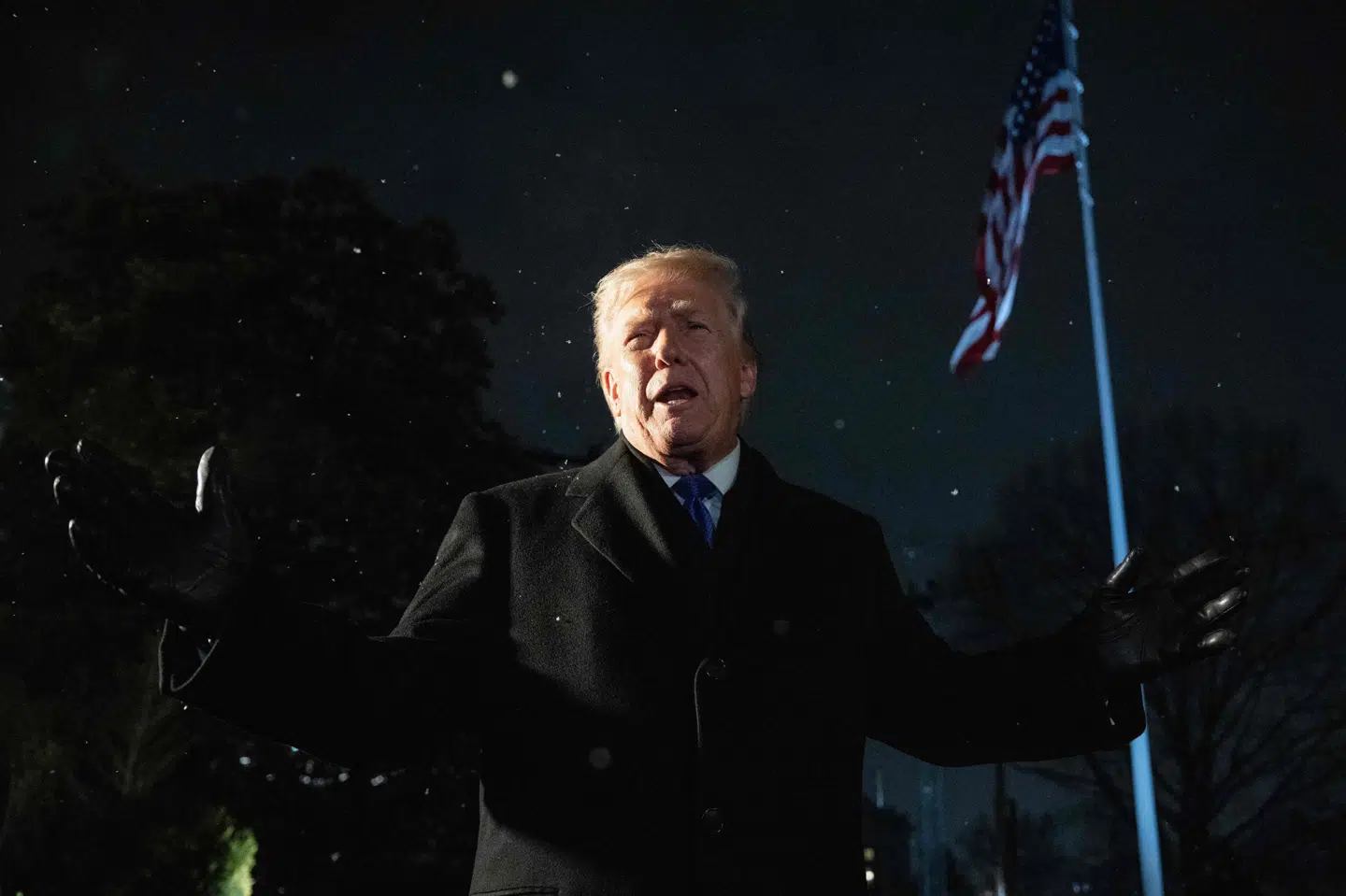
In a significant development during a meeting on Friday, Iran displayed a keen interest in reaching a nuclear agreement with the United States. This announcement comes directly from President Donald Trump, who spoke to reporters aboard Air Force One.
Delegations from both nations convened earlier in Oman, a meeting that took place amidst a backdrop of escalating tensions over the past several years. “We had very productive discussions regarding Iran,” Trump remarked, adding that it appeared Iran was eager to finalize an accord. He indicated that further dialogue is on the horizon, stating, “We will meet again early next week.”
On the same day, the President signed a decree that empowers him to escalate taxes and impose punitive measures on nations engaging in trade with Iran—both directly and indirectly. This action follows Trump’s January threat to enforce a hefty 25 percent tariff on imports from countries that conduct business with Iran.
Immediately following the discussions in Oman, Iranian Foreign Minister Abbas Araghchi emphasized that the talks were centered solely on Iran’s nuclear ambitions. “Our positions were exchanged in a very positive atmosphere, and the other side’s perspectives were shared with us,” Araghchi told Iranian state media.
Iran’s nuclear program has long raised alarms internationally, as the nation has stockpiled substantial amounts of enriched uranium. While numerous Western nations harbor suspicions that Iran seeks to develop nuclear weaponry, Iran insists that its nuclear endeavors are strictly for peaceful purposes.
The United States and Iran had previously engaged in negotiations in the spring of 2025 to establish a new framework to replace the 2015 nuclear agreement, from which the U.S. withdrew in 2018 during Trump’s first term. Under the original deal, several Western countries lifted sanctions on Iran in exchange for commitments to curtail uranium enrichment.
Efforts towards a new agreement stumbled in June when Israel launched a significant strike against Iran, asserting it aimed to prevent Iran from achieving military nuclear capability. Shortly thereafter, the U.S. joined Israel in military operations, targeting three Iranian nuclear sites.
The situation has been further complicated by widespread protests against the clerical regime in Iran, resulting in thousands of casualties and exacerbating tensions between the two nations. In response to Iran’s crackdown on these protests, the U.S. has hinted at potential military action and has recently increased its military presence near Iran’s coastline, igniting fears of a significant American assault.
In turn, Iran has issued stern warnings of a decisive military retaliation should the U.S. take aggressive action. As both countries navigate these fraught waters, the world watches attentively, hoping for a diplomatic resolution amid an ever-evolving landscape.
/ritzau/AFP
