

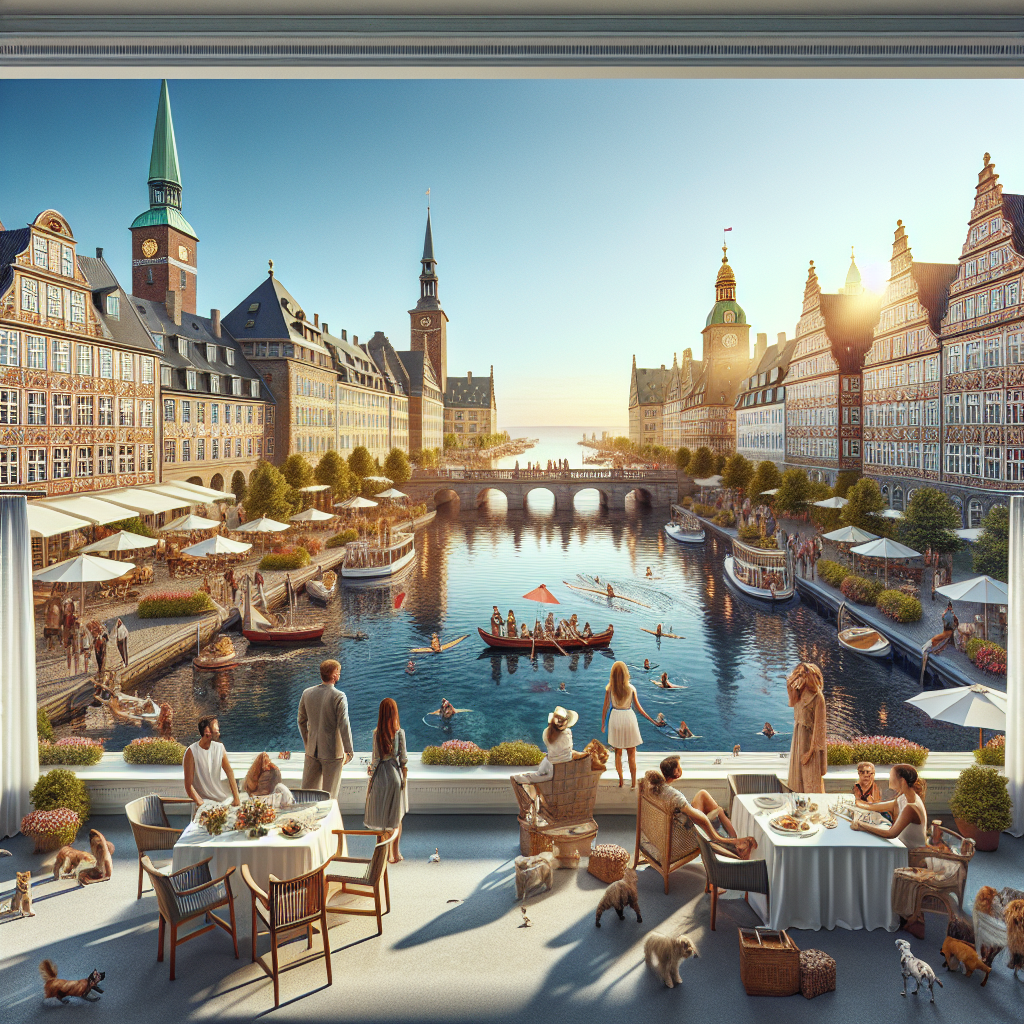
Denmark has emerged as the leading destination for expensive luxury stays in Europe, surpassing notable competitors like Ireland, Finland, Switzerland, Hungary, and Romania. The allure lies in its exceptional blend of top-notch hospitality, exclusive experiences, and unmatched service standards. Such factors, coupled with a flourishing luxury hotel sector and Michelin-starred dining options, have positioned Denmark as the ultimate go-to locale for affluent travelers. This metamorphosis not only elevates the country’s status in the luxury tourism market but also significantly contributes to its economic growth.
Europe, renowned for its rich heritage, historic sites, and culinary masterpieces, has long captivated travelers worldwide. Among its luxurious offerings, Denmark has recently taken the crown for the highest luxury stay prices. With a robust hospitality scene, it now draws high-spending tourists seeking both modern luxury and rich cultural encounters, thereby reshaping the tourism landscape and fueling economic development.
Denmark’s Ascendancy in Luxury Stays
When one contemplates premier luxury stays in Europe, Denmark’s name invariably comes to mind. Recent data from Eurostat affirms this, revealing an index value of 148%—indicating that costs for lodging and dining are 48% higher than the EU average. This places Denmark at the pinnacle of luxury stays in the EU, even ahead of traditionally high-profile contenders such as Ireland, Finland, and Switzerland.
This notable surge in pricing has multiple driving forces: high wages, superior infrastructure, and exclusive services tailored to affluent visitors. Yet, rather than deter them, these elevated prices have fostered an appealing market for high-spending tourists eager for unique and refined experiences.
Ireland: A Stalwart Rival
While Denmark now leads in pricing, Ireland remains a formidable rival. With an index value of 129% above the EU average, it ranks closely behind Denmark. Famous for its breathtaking landscapes, historic castles, and lively culture, Ireland continues to entice tourists seeking a blend of traditional charm and modern luxury.
However, Denmark’s ascent poses a significant challenge for Ireland. As high-end tourists increasingly flock to Copenhagen’s chic hotels, Michelin-starred restaurants, and captivating attractions, Ireland finds itself in a fierce competition for this lucrative market segment.
Finland: A Nordic Luxury Paradigm
Finland, another strong Nordic player, traditionally symbolizes high-end experiences, boasting an index value of 127% above the EU average. Its pristine nature, luxury log cabins, and the remarkable chance to stay in glass igloos beneath the Northern Lights contribute to its allure.
Yet, as demand for unique, experiential tourism increases, Finland finds itself in direct competition with Denmark’s upscale offerings. The rise of urban tourism, particularly among affluent travelers seeking luxurious city experiences in Copenhagen, has drawn some of Finland’s high-end clientele away.
Switzerland: The Gold Standard
Historically regarded as the benchmark for luxury stays, Switzerland still holds an index value of 171%, making it the priciest country in Europe for hospitality. Its renowned alpine resorts, luxurious hotels, and elite ski chalets have long attracted affluent tourists seeking an idyllic escape.
Nonetheless, Denmark’s ascent in attracting high-spending travelers—especially into its bustling capital—may be hastening a shift in the luxury tourism paradigm. As Copenhagen’s luxury hotel scene flourishes alongside vibrant cultural offerings, it emerges as a compelling alternative to Switzerland’s nature-centric tourism.
Emerging Destinations: Hungary and Romania
While Denmark, Switzerland, and Finland dominate the luxury pricing landscape, countries like Hungary and Romania are gaining traction among tourists seeking affordable luxury experiences. Hungary’s beautiful capital, Budapest, is becoming increasingly popular, renowned for its lavish hotels and rejuvenating thermal baths, all offered at competitive prices.
Romania is also carving a niche for itself, offering luxurious experiences at a significantly lower cost. With an index value of 78% for hospitality, it presents a compelling alternative for travelers who seek fine quality without the hefty price tags associated with their more expensive neighbors.
Denmark’s Role in Economic Expansion
Denmark’s dominance in the luxury hospitality sector signifies a broader economic strategy geared toward establishing the nation as a global tourism leader. The influx of high-spending tourists is translating into substantial revenue growth for the tourism sector.
As noted by VisitDenmark, the official tourism board, the country’s tourism revenue is anticipated to exceed €5 billion by 2025, driven largely by the luxury market. Furthermore, as that market continues to flourish, so too does Denmark’s hospitality infrastructure, with new hotels and attractions being developed to meet the rising demand for premium experiences.
High-Spending Tourists: Catalysts for Growth
High-spending tourists play a pivotal role in bolstering Denmark’s economy. Their expenditures often far exceed those of average travelers, primarily in fine dining, exclusive experiences, and luxury shopping. This influx of wealth catalyzes job creation across various sectors, including hospitality, tourism services, and local industries involved in fashion, art, and technology.
In Copenhagen, which stands as Denmark’s luxury tourism hub, Michelin-starred restaurants like Noma, Geranium, and Kadeau attract discerning food lovers willing to pay for exceptional dining. Such establishments not only elevate Denmark’s status as a culinary destination but also contribute millions to the economy.
Why Denmark Captivates Luxury Tourists
What, then, makes Denmark an irresistible draw for high-spending travelers? A few distinguishing factors elevate it above other European destinations:
- Superior Infrastructure: Denmark boasts world-class hotels, spas, and luxury shopping options, ensuring a comfortable and exclusive experience.
- Cultural Richness: With its vibrant arts scene and modern architecture, Denmark offers an enticing blend of cultural and luxury experiences.
- Sustainability and Wellness: The nation’s commitment to sustainable tourism resonates with affluent travelers prioritizing eco-friendly and wellness-focused options.
- Impeccable Service: Denmark’s hospitality sector is celebrated for its high service standards, offering tailored experiences that are the hallmark of its burgeoning luxury reputation.
Denmark’s ascendance in the luxury tourism sector is unmistakable. Surpassing rivals such as Ireland, Finland, Switzerland, Hungary, and Romania, it has established itself as the premier destination for luxury stays in Europe. With a continuous influx of high-spending tourists, Denmark is not just enhancing its tourism profile but also laying the groundwork for vigorous economic expansion, positioning itself as a top choice for affluent travelers across the continent.
Whether in search of exquisite dining, exclusive cultural encounters, or premier accommodations, Denmark offers a level of luxury that few can rival. As its tourism sector flourishes, this blend of elegance, history, and modernity will likely keep Denmark at the forefront of the luxury travel landscape for years to come.
