

Denmark’s Enchanting Butterfly Diversity
As summer envelops the Danish countryside, a remarkable variety of butterflies dance among the meadows, forests, and coastal landscapes. Among them are the resplendent Silver-washed Fritillary and the ethereal Common Blue, each fluttering creature a testament to a robust and flourishing ecosystem.
Yet, beneath this natural beauty lies a troubling reality. Many butterfly species are facing decline, with some classified as endangered or vulnerable, and several have already vanished from the landscape. Of the 2,500 registered species—most of which are nocturnal moths—only about 65 boast stable, daytime populations in Denmark.
In response to this alarming trend, authorities, dedicated volunteers, and nature conservation groups are joining forces to protect these delicate insects. Even the smallest private gardens are now becoming sanctuaries for butterflies and wild bees.
The Fascinating World of Caterpillars
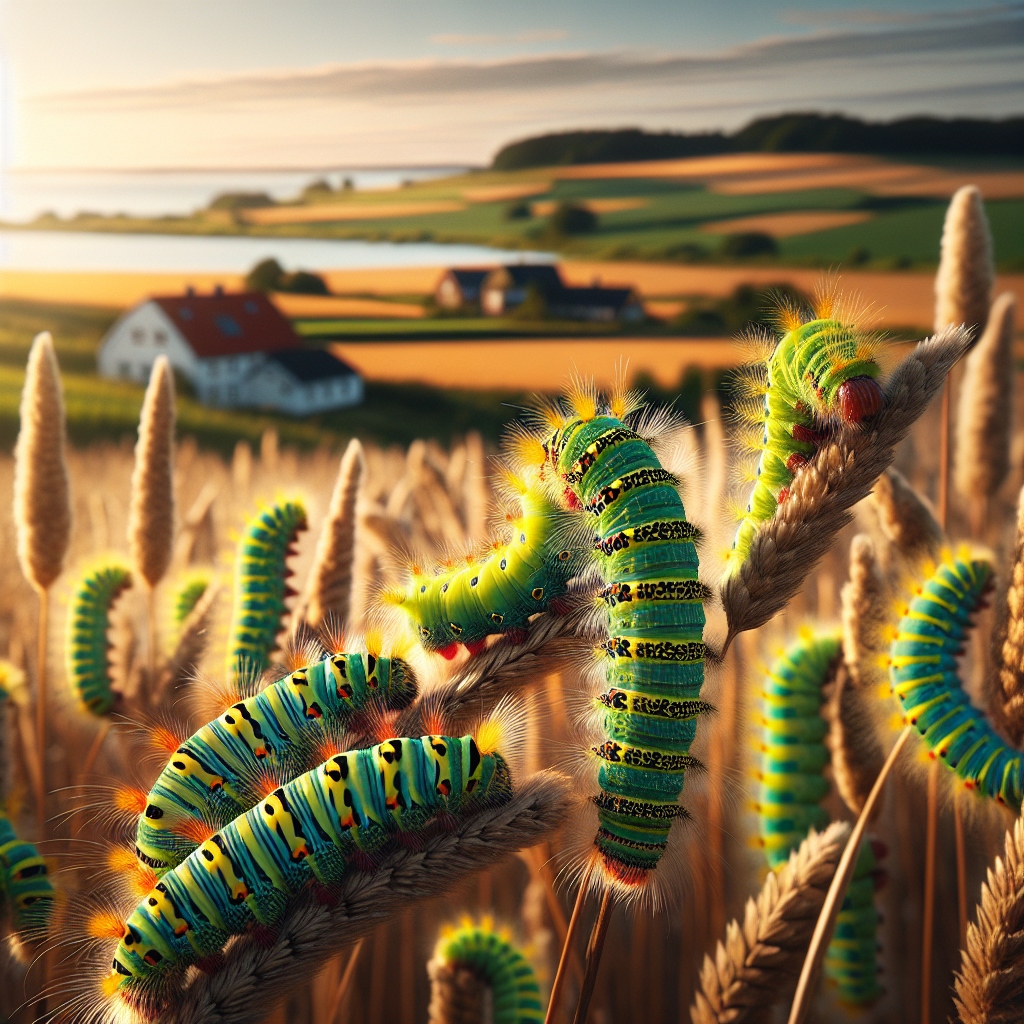
Before they take flight as butterflies, these creatures begin their lives as caterpillars. These leaf-loving larvae play a crucial role within the ecosystem, serving as an essential food source for birds and other wildlife while nurturing plant life through their feeding habits.
Caterpillars often boast vibrant and diverse colors, contrasting sharply with the more subdued tones of the adult moths they will eventually become. It’s fascinating how many seemingly dull moths are, in fact, dressed in brilliant attire during their juvenile stages.
Did you know? A significant number of caterpillars in Denmark depend on native plants such as nettles, buckthorn, and clover for their survival. By encouraging wildflower growth, we can directly contribute to the resurgence of these butterfly populations.
So, as summer approaches, keep your eyes peeled—peak butterfly season spans from May to late August. Whether you find yourself wandering through heathlands, coastal dunes, or city parks, you just might encounter one of nature’s exquisite creations.
