

Marybeth Collins
Overtourism has emerged as a formidable challenge for many cities across Europe, prompting a variety of strategies aimed at mitigating its adverse effects. From Portofino’s ban on selfies to Amsterdam’s potential prohibition of cruise ships, and Iceland’s proposed tourist tax, cities are wrestling with the complex task of balancing tourism with sustainability. The ramifications of tourism stretch beyond local infrastructure; they also significantly impact global emissions. As responsible travel becomes increasingly vital, cities face the ongoing challenge of motivating tourists to adopt eco-friendly behaviors.
Copenhagen is tackling this dilemma with a refreshing initiative known as CopenPay, which rewards both visitors and residents with free meals, cruises, and other activities in exchange for engaging in environmentally friendly tasks. This program, introduced as a way to turn sustainable actions into meaningful experiences, is designed to encourage both locals and tourists to partake in climate-positive activities.
The CopenPay Initiative
Launched on July 15 and running through August 11, CopenPay coincides with Copenhagen’s bustling tourist season. The program allows participants to earn rewards such as complimentary meals, coffee, beer, guided tours, and various activities by completing green tasks. It serves as an integral part of Copenhagen’s broader strategy to foster sustainable tourism while enriching cultural experiences.
Mikkel Aarø-Hansen, CEO of Wonderful Copenhagen, highlights the initiative’s goal: to align visitors’ intentions with their actions. “We want visitors to make conscious, green choices and hopefully enhance their experiences while they’re here,” he explains.
Echoing this sentiment, Lord Mayor Sophie Hæstorp Andersen expresses her enthusiasm for CopenPay, stating, “This initiative melds our vibrant cultural life with a robust commitment to sustainability. By transforming green actions into currency for cultural experiences, we offer tourists a distinctive way to explore Copenhagen—one that benefits both the environment and the local community. This aligns seamlessly with our values and aspirations to champion sustainable solutions in our city.”
How CopenPay Works
CopenPay’s success hinges on the collaboration of 24 local organizations and businesses, including major cultural and recreational institutions such as The National Gallery of Denmark, The National Museum, and the Copenhagen Surf School.
Urban garden Øens Have and the eco-culinary hub BaneGaarden offer complimentary lunches to volunteers, while the community hub Absalon provides discounts on breakfast for those who opt for walking, biking, or public transport. Museums across the city have joined in as well, offering free ice cream at The National Museum, complimentary coffee at Frilandsmuseet and the Museum of Copenhagen, and reduced ticket prices at Enigma.
Activities are also part of the rewards mix, with free kayak rentals for those collecting water waste and free canal tours or boat cruises available to those who use sustainable transportation. Most of these rewards operate on a trust basis, though some venues may require proof of participation in eco-friendly activities.
Potential for Expansion
Should the initiative thrive, CopenPay could become a permanent feature in Copenhagen, with the potential for expansion into other regions of Denmark. The tourism board emphasizes that this initiative is not about boosting tourist numbers but rather promoting sustainable practices among visitors. “Imagine if visitors returned home with a greener mindset—what a remarkable souvenir that would be,” says Rikke Holm Petersen, communications chief of Wonderful Copenhagen.
Denmark’s Comprehensive Commitment to Sustainability
For the Danes, sustainability transcends mere rhetoric; it’s woven into the very fabric of daily life. Their approach encompasses several key areas:
-
Renewable Energy: Denmark boasts a leading green energy system, with around two-thirds of its electricity derived from clean sources, particularly wind and solar power. The country is a frontrunner in wind energy, with offshore wind farms playing a pivotal role in its energy strategy.
-
Water Management: Danes take their water resources seriously, drinking directly from the tap—a testament to their commitment to quality. The nation’s water management strategies emphasize sustainability and efficiency, safeguarding this vital resource for future generations.
-
Waste Recycling: Denmark shines in waste management, adeptly transforming refuse into resources and minimizing landfill use. Advanced recycling systems and waste-to-energy facilities mitigate the environmental impact of waste, positioning Denmark as a model for others to follow.
-
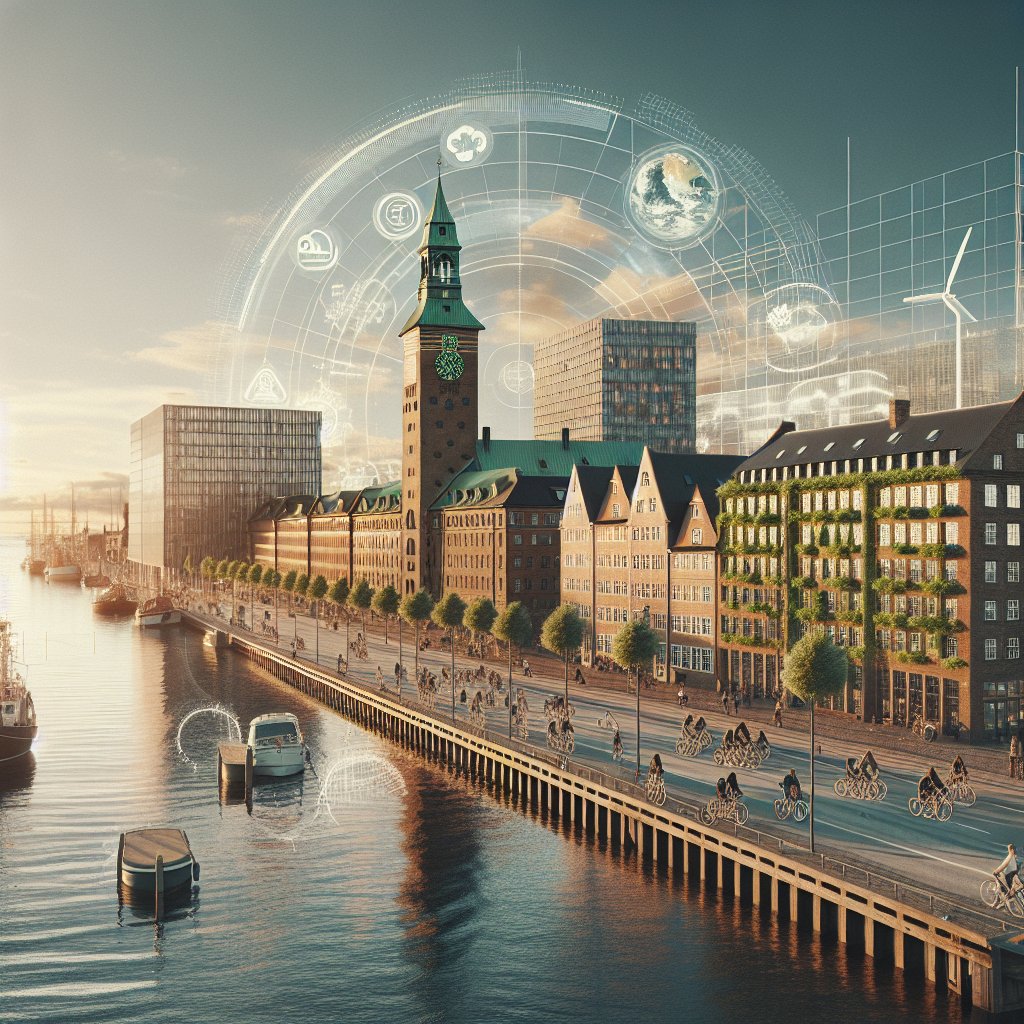
Green Transportation: Bicycling is deeply ingrained in Danish culture. Copenhagen aims to emerge as the world’s first carbon-neutral capital within three years, boasting more bicycles than cars, extensive bike lanes, and initiatives to elevate cycling as a primary transportation mode.
-
Energy-Efficient Buildings: Given its cooler climate, Denmark prioritizes energy-efficient structures. Companies like Rockwool and Velux are at the forefront, developing innovative solutions to cut energy consumption while enhancing living comfort.
Shipping Green
As the sixth-largest shipping nation globally, Denmark is home to Maersk Line, the world’s largest container shipping operator. Shipping is responsible for 2-3% of global greenhouse gas emissions, and Maersk is taking bold steps to lower its carbon footprint. The company plans to launch the first carbon-neutral cargo vessel by 2023, powered by e-methanol derived from renewable sources like biomass and solar energy.
Samso Island: A Sustainable Gem
Nestled in Denmark’s heart lies Samso Island, famed for its delectable potatoes and groundbreaking sustainability efforts. Since 2007, Samso has achieved 100% sustainability, relying entirely on renewable energy sources such as wind, solar, and biomass. The islanders have replaced oil-heated homes, insulated their buildings, and created a shining example of sustainable living.
Denmark’s Climate Partnerships
Denmark isn’t satisfied with local successes alone; the nation has established 14 Climate Partnerships to engage the private sector in its climate objectives. These collaborations seek innovative pathways for diverse sectors to contribute to CO2 reduction while fostering competitiveness, exports, employment, and welfare. Through these partnerships, Denmark aims to forge a sustainable economy that benefits the environment and its people.
In essence, Copenhagen’s CopenPay initiative reinforces its status as a global leader in sustainability. With a robust cycling infrastructure, substantial reliance on renewable energy, and biomass-powered heating, the city stands as the third most sustainable worldwide. Denmark’s ambitious policies aim for a 70% reduction in emissions from 1990 levels by 2030, including the world’s first carbon tax on agriculture—a testament to its unwavering commitment to a greener future.
