

Published on March 3, 2026
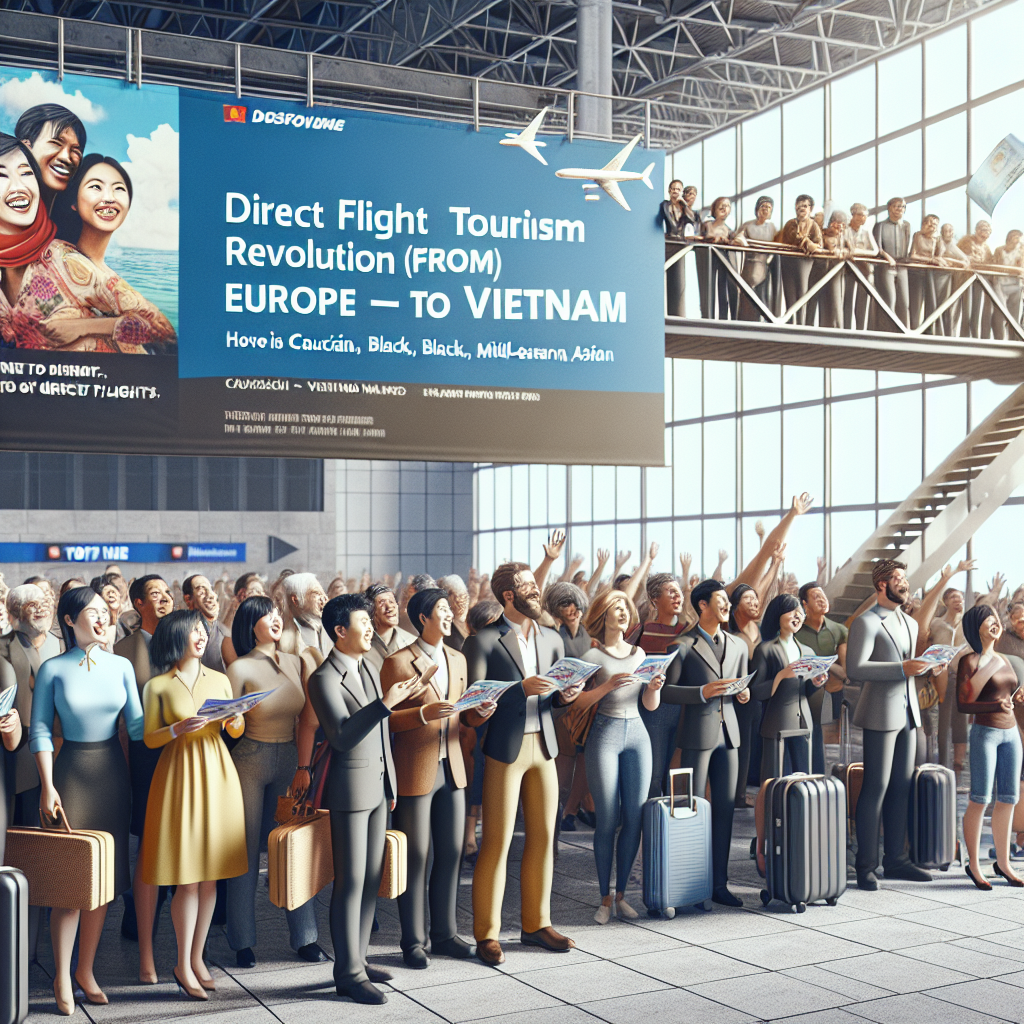
Image generated with Ai
The tourism landscapes of both Vietnam and Europe are on the brink of transformation, heralded by the newly enacted ASEAN-EU Comprehensive Air Transport Agreement (CATA). This pivotal arrangement between the European Union and the Association of Southeast Asian Nations opens the door to a plethora of direct routes, amplifies flight frequencies, and promises to make travel between these two vibrant regions not only easier but also more cost-effective. Travelers from both ends can now anticipate heightened connectivity, paving the way for exciting opportunities in business and leisure travel alike.
This recent initiative is part of a larger strategy aimed at bolstering cooperation between Southeast Asia and Europe. By liberalizing the air transport market, the ASEAN-EU agreement dismantles previous barriers that restricted the number of flights and destinations accessible to airlines from both regions. This newfound freedom enables carriers to broaden their routes, ensuring direct connections between bustling Southeast Asian hubs like Ho Chi Minh City and key European capitals. As a result, tourists can expect a more streamlined travel experience as they embark on their journeys to explore the best of both continents.
For Vietnam, this agreement marks a significant advancement. Vietnam Airlines, the nation’s flag carrier, has already begun operations of direct flights from Ho Chi Minh City to Copenhagen. This new route simplifies access for European tourists eager to experience Vietnam’s vibrant cities, breathtaking landscapes, and rich cultural heritage. More than just a travel convenience, this shift positions Vietnam as a pivotal gateway for European visitors looking to venture into the wonders of Southeast Asia. With direct flights, the hassles of lengthy layovers and inconvenient connections through third-party hubs are now a thing of the past, making Vietnam increasingly attractive to international travelers.
The ramifications of this enhanced connectivity extend to both inbound and outbound tourism. For Europeans seeking tropical paradises, cultural immersion, and culinary delight, Vietnam has never been more accessible. Conversely, Vietnamese travelers can now capitalize on a growing network of direct flights to Europe, unlocking a treasure trove of historical, cultural, and scenic experiences across nations like Denmark, Germany, and France.
But the aviation agreement’s impact reaches beyond mere flight routes. It lays the foundation for sustainable tourism growth through strengthened partnerships among tourism boards, airlines, and various stakeholders. Both ASEAN and EU officials are collaborating to devise specialized promotional campaigns aimed at drawing tourists from either side. These initiatives will showcase Vietnam’s diverse attractions—from its stunning coastal stretches and natural beauty to its UNESCO World Heritage sites and bustling urban centers—while also spotlighting Europe’s historic allure, world-class museums, and architectural wonders that are poised to captivate Vietnamese travelers.
The advent of direct flights is expected to foster healthy competition among airlines, often leading to more affordable ticket prices. This accessibility means an increasing number of travelers will have the opportunity to explore these new routes without straining their budgets. Airlines are already responding to this demand by ramping up flight offerings, ensuring tourists have an array of choices to make their travel dreams a reality.
For both Southeast Asia and Europe, the advantages of this aviation pact transcend the tourism sector. The agreement also sets the stage for enhanced business connections, trading prospects, and cultural exchanges. By simplifying travel, the ASEAN-EU CATA not only boosts leisure tourism but also fortifies economic ties, encouraging investment and fostering closer bonds between these dynamic regions.
Looking ahead, this seismic shift in air transport policy signals a promising future for tourism in Vietnam and Europe. As airlines expand their networks and competition helps lower fares, the growth potential in this sector is vast. A rising number of Europeans are expected to visit Vietnam, while an influx of Vietnamese travelers keen on exploring Europe will undoubtedly follow. This interexchange is poised to increase travel volumes, lengthen stays, and diversify tourism experiences significantly. The ASEAN-EU air transport agreement stands as more than a mere aviation deal—it is a catalyst for cultural exchange, economic progress, and global connectivity.
As we embark on this exciting new chapter in travel, Vietnam is positioned to shine as a gateway for European tourists, while European nations can anticipate a surge of Vietnamese visitors eager to immerse themselves in the continent’s rich culture and history. Together, this new era of global travel is not just about crossing borders—it’s about fostering lasting alliances between two vibrant regions, promising a future for Southeast Asian-European travel that has never looked brighter.
