

Published on March 30, 2026
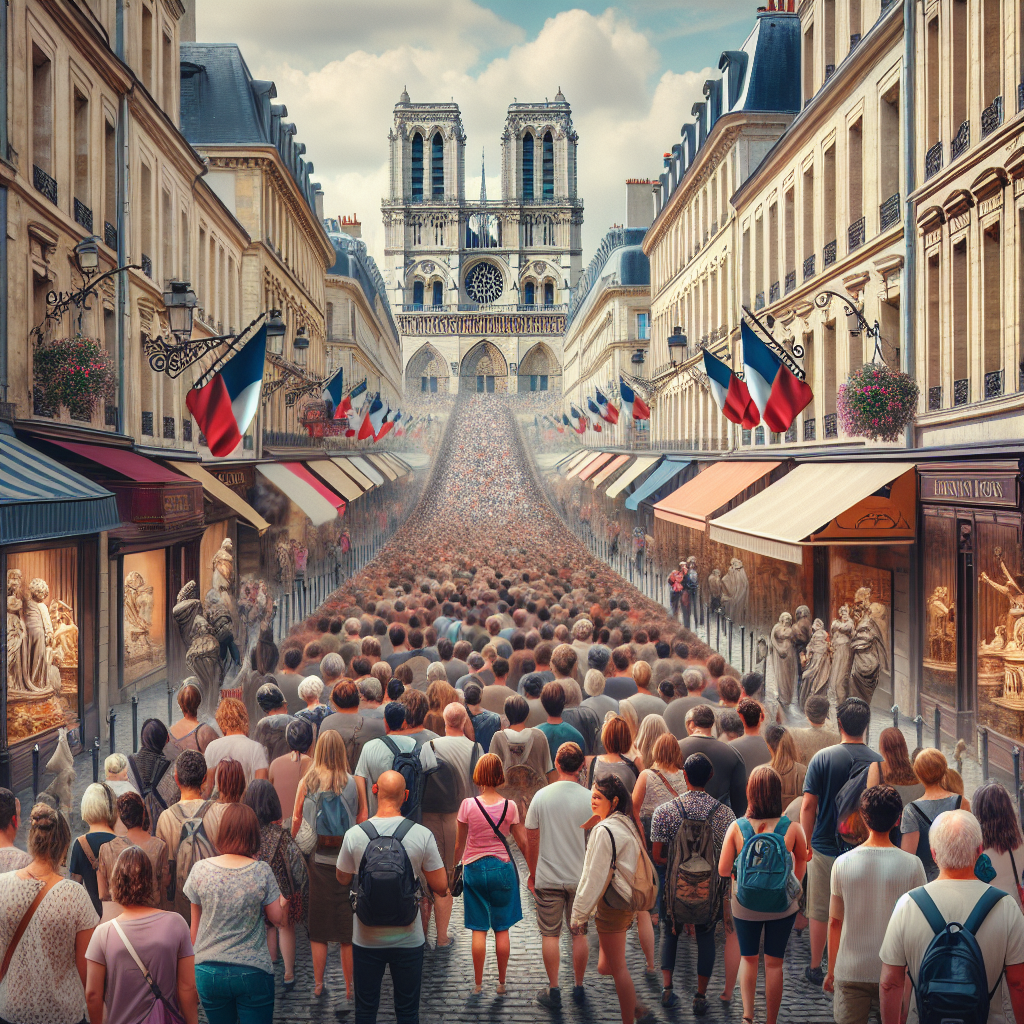
Image generated with Ai
In recent years, overtourism has cast a shadow over Europe, with **France**, alongside **Italy**, **Netherlands**, **Denmark**, and **Portugal**, wrestling with the daunting aftermath of mass travel. Cities once celebrated for their cultural heritage, romance, and rich history now find themselves burdened with congested streets, escalating prices, and overwhelmed local resources. The surge of visitors jeopardizes not only the authenticity of the travel experience but also the quality of life for residents. As these iconic destinations grapple with the pressures of tourism, pressing discussions emerge about the need to balance visitation with sustainable practices, ensuring that the extraordinary essence of these locales endures for generations to come.
As tourism reaches new heights, the charm of many European cities, including those in **France**, **Italy**, **Netherlands**, **Denmark**, and **Portugal**, risks being lost in the fray. What was once the allure of a dream vacation has devolved into a race against time, characterized by long lines, overcrowded streets, and escalating costs. The promise of authentic cultural experiences is increasingly overshadowed by the harsh realities of overcrowding, prompting a vital question: are these cities still worth visiting, or has the influx of tourists diluted the very magic that once captivated travelers?
Europe has long been revered as a treasure trove of **culture**, **history**, and unforgettable journeys. From the enchanting avenues of **Paris** to the ancient marvels of **Rome**, the continent boasts iconic landmarks that have beckoned millions throughout the centuries. However, as **tourism** skyrockets, these cherished destinations are confronted with a pressing crisis—**overtourism**. The impacts of this surge are stark and alarming, with **overcrowded** thoroughfares, soaring **prices**, and heightened stress levels affecting both visitors and locals alike. In too many instances, what should be a magical journey has morphed into a tumultuous, often draining experience.
Paris (France): The City of Love Under Pressure
**Paris**, perhaps the most iconic city in Europe, is grappling with the consequences of overtourism. Landmarks like the **Eiffel Tower** and the **Louvre**, as captivating as ever, are now inundated with tourists. Long waits, inflated prices, and cramped spaces have begun to erode the city’s charm. What was once a romantic escape has turned into a frantic quest to see everything while dodging the crowds. Visitors often find themselves queuing longer than they spend at the sites themselves, detracting from the experience. The city’s splendor remains undeniable; however, the overwhelming influx of tourists has transformed the quintessential Parisian experience from leisurely exploration to a rushed and often frustrating endeavor.
Barcelona: The Strain of Overcrowding
**Barcelona**, celebrated for its vibrant culture and architectural marvels, is facing a similar fate. Once regarded as a welcoming haven for visitors, the city now contends with the ramifications of **overcrowding**. Central neighborhoods, overwhelmed by a barrage of short-term rentals and swarming tourists, have ignited growing dissatisfaction among locals. A rise in **anti-tourism** sentiments has fueled protests and demands for a more sustainable approach to tourism. Iconic spots like **La Rambla** and the historic **Gothic Quarter** have been transformed into congested thoroughfares, obscuring an appreciation of Barcelona’s stunning architecture and dynamic culture. The city’s allure is fading under the burden of mass tourism.
Venice (Italy): A City on the Brink
**Venice**, often hailed as one of the most romantic cities globally, has become emblematic of the darker side of overtourism. Renowned for its scenic canals and narrow alleyways, **Venice** has been inundated with tourists, particularly from cruise ships. This relentless influx overwhelms the city’s infrastructure, diminishing the experience for everyone involved. In response, officials have implemented new measures like **entry fees** for tourists, aimed at managing the crowds. While these efforts are essential for preservation, they starkly illustrate the extent of overtourism’s toll. Experiencing Venice’s unique charm is increasingly challenging amid the relentless swell of visitors.
Amsterdam (Netherlands): Changing Atmosphere Amid the Party Scene
**Amsterdam**, famed for its laid-back vibe and picturesque canals, faces its own unique challenges. The rise of **party tourism**, coupled with an influx of international visitors, has resulted in intensified congestion in the city center. Once a peaceful retreat for art lovers and culture enthusiasts, certain districts now bear the weight of overcrowding. Local authorities are striving to curtail disruptive behaviors while fighting to maintain **Amsterdam**’s identity. While the city’s canals and esteemed museums still draw millions, the tranquil allure of the past is becoming increasingly compromised by the hedonistic pursuits of visitors.
Rome (Italy): The Eternal City’s Struggle with Overcrowding
**Rome**, a city steeped in history and ancient relics, has long been a go-to destination for cultural explorers. However, overtourism is making it a tall order to appreciate the city’s historic marvels in peace. Attractions like the **Colosseum** and the **Trevi Fountain** now find themselves shrouded in throngs of people, transforming moments of awe into stressful photo ops. The once-quiet allure of **Rome** has morphed into a bustling scene that can feel more like an assembly line than a sacred experience. As the city navigates the challenge of managing visitor flow, the delicate balance between cherishing its past and accommodating the present grows increasingly complex.
Other Cities Feeling the Pressure
Overtourism’s impact extends far beyond just a handful of cities. Across the continent, many destinations are struggling under the weight of mass tourism. Here are some notable examples:
- Prague (Czech Republic): The Czech capital, known for its medieval architecture and charming old town, is witnessing a surge in visitors, especially during peak seasons, leading to crowded streets and concerns over preserving the city’s historic allure.
- Santorini (Greece): Famous for its breathtaking sunsets and stunning white-and-blue buildings, this Greek island grapples with overcrowding, jeopardizing its natural beauty amidst limited space and infrastructure.
- Copenhagen (Denmark): Once a bastion of tranquility, the Danish capital is facing rising tourist numbers and is actively working on preserving its authenticity while managing the growing influx.
- Dubrovnik (Croatia): This once-hidden gem, now a hotspot for its stunning medieval architecture and picturesque coastline, is trying to strike a balance between its appeal to visitors and the needs of its local community.
- Lisbon (Portugal): The Portuguese capital is increasingly magnetizing tourists to its historic neighborhoods, leading to growing concerns about impacts on local communities and infrastructure.
As overtourism sweeps across Europe, cities like those in **France**, **Italy**, **Netherlands**, **Denmark**, and **Portugal** face daunting crowds, escalating costs, and a threatened cultural identity. This reality has ignited urgent discussions around sustainable travel solutions aimed at safeguarding their unique heritage.
The Need for Smarter Travel
Although Europe’s iconic cities continue to showcase their beauty and rich historical narratives, the challenges posed by overtourism are starkly evident. **Overcrowded** streets, inflated costs, and mounting discontent among locals are just a few consequences of unrestrained mass tourism. It is vital for travelers to embrace **smarter travel** practices, which include venturing into popular areas during off-peak times, exploring lesser-known sites, respecting local communities, and recognizing the environmental impact of our journeys.
Clearly, a more sustainable approach to tourism is paramount if we hope to preserve Europe’s cultural and historical landmarks for future generations. By making conscious choices and adopting responsible travel habits, we can collectively alleviate the pressures of overtourism and ensure that the allure of these cherished destinations endures.
