

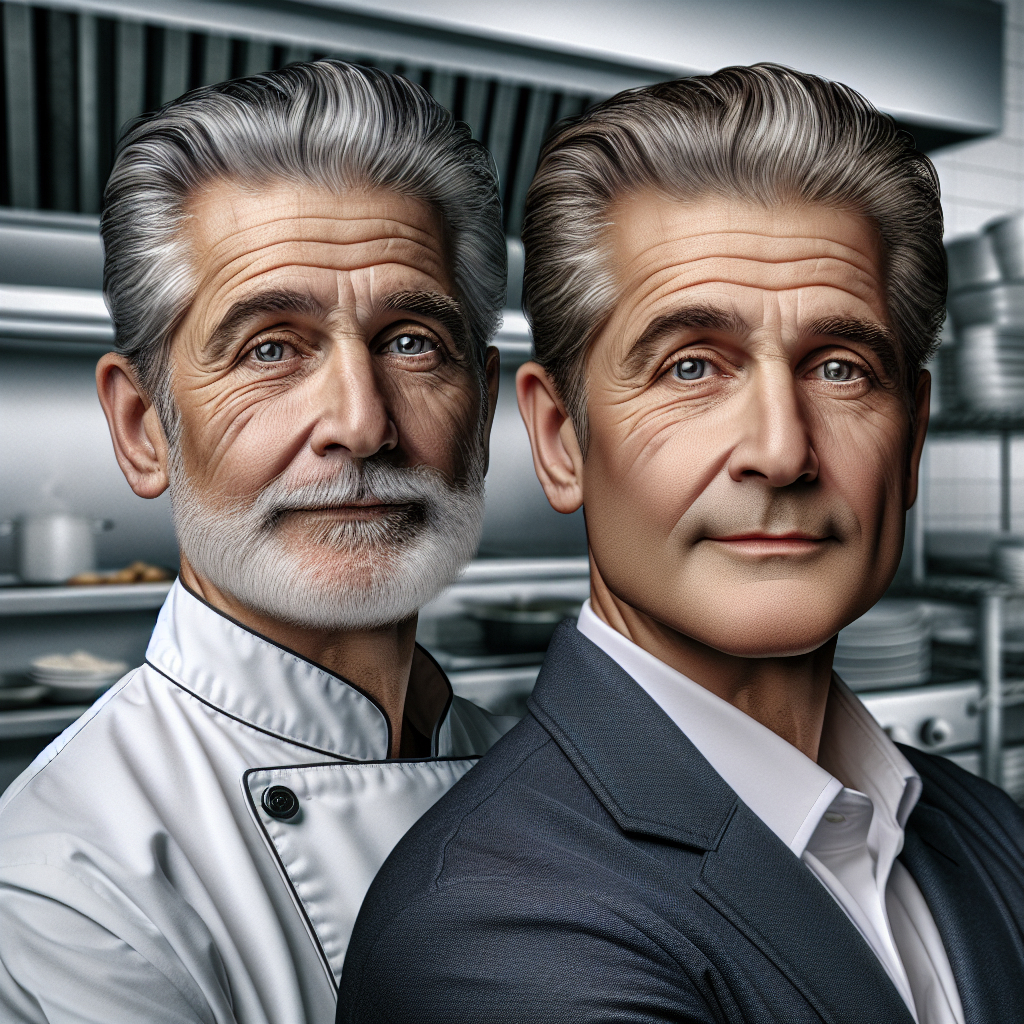
The first time I encountered Tim Raue was over a decade ago on Chef’s Table. His persona came across as deliberately abrasive—a character crafted for the screen, yet it was clear that his struggles stemmed from a challenging upbringing in East Germany. That rough exterior made sense in light of his past.
Fast forward to a press trip years later, and I found myself at a slight loss as I watched him calmly discuss his impressive portfolio of 18 restaurants, including ventures in nursing homes and cruise ships, all while dressed impeccably in a tailored suit. The youthful rebel had undeniably transformed into a savvy businessman.
As I prepared for dinner at his two-Michelin-star restaurant, I felt a genuine curiosity: would the food maintain that punchy, confrontational edge or reflect a more refined, controlled ethos to match his polished attire? If I’m honest, I wasn’t sure which version I was hoping to encounter—or whether one was better than the other.
Upon entering the restaurant, both aspects of his identity were immediately apparent. The environment was inviting, with soft, velvety chairs in muted hues, crisp white tablecloths, and playful artwork adorning the walls. This setting radiated elegance without pretension—refined, yet playfully mischievous. It was clear this was not a shrine to classical French gastronomy, but neither was it a wild, rule-defying playground.
Raue’s culinary roots firmly emerged from his journeys in Southeast Asia, where bold colors and flavors stand in stark contrast to the more restrained profiles of European fine dining. This vibrant influence remains a hallmark of his kitchen today.
We chose the Hummingbird x Berlin menu, designed as a tribute to the city while incorporating Raue’s signature Asian flavor profiles. The meal kicked off with eight snacks artfully arranged on a single large plate, reminiscent of Asian dining styles. Dishes like chili-cured cucumber and deep-fried Jerusalem artichoke showcased a delightful range of textures and flavors—fresh, crunchy, acidic, and subtly spicy. It was a confident start, devoid of provocation.
As the meal progressed, the spotlight began to shift back toward Berlin and the businessman Raue had become. A dish featuring cucumber, trout, and a generous helping of Imperial caviar underscored that this was indeed a two-Michelin-star operation—elegant, precise, and utterly delicious. The subsequent course of pike perch with sauerkraut and Peruvian huacatay was similarly clean, balanced, and quietly sophisticated.
Up to this point, the rebellious spirit of Raue had remained somewhat subdued. It made a reappearance, however, with his signature dish: tempura-fried langoustine paired with wasabi, mango, passion fruit, and coriander. Here, the classical Southeast Asian balance of sweet, sour, and spicy revealed itself with vigor. The wasabi provided the expected kick, yet the execution remained firmly within Michelin discipline—beautifully presented and texturally immaculate.
Continuing the Berlin homage, we were served KFC—Kreuzberg Fried Chicken—delicately flavored with ginger and finger lime. While enjoyable, this dish left me yearning for a touch more recklessness. Fried chicken invites indulgence, and an extra layer of spice could have turned a solid dish into a memorable one.
The savory courses concluded with a reimagined East German borscht, which incorporated A5 Wagyu instead of the usual humble cuts. While the sauce was rich and the beetroot sweet, the overly soft texture of the Wagyu felt somewhat misplaced. Intriguingly, this was the sole dish devoid of Asian influence—emphasizing its cultural roots rather than blending them.
For dessert, we dove headfirst into Asian sweetness, enjoying apricot ragout, velvety caramel, and a contrasting yeast ice cream. Before it arrived, I requested to swap the traditional sweet dessert wine for a glass of Champagne—“whatever you have open,” I said, deliberately keeping it flexible. The first sip revealed this was no ordinary glass; upon a refill, it turned out to be Krug. Few establishments allow “whatever is open” to mean Krug, and the gesture underscored the luxury standard Tim Raue now operates at. A perfect Champagne for a successful businessman.
My experience at Restaurant Tim Raue was thoroughly enjoyable, yet it left me wondering about the restaurant’s initial atmosphere when it first opened. Today, the waitstaff don perfectly tailored blue suits, the tables are impeccably dressed, and the room exudes calm elegance. It’s clear—and perhaps inevitable—that the young rebel has matured.
The menu strikes a balance, showcasing refined, nuanced dishes punctuated by moments of flavor intensity. The Asian influences remain, though they have been softened in execution. Observing the dining room, it’s evident that guests and the restaurant share an intimate connection—this space is not the domain of a 25-year-old provocateur but rather a playful, accomplished establishment that has rightfully earned its two Michelin stars.
Rather than a loss of identity, it feels more like a natural evolution. The rebellion persists—it’s simply been refined, demonstrating the evolution of its creator.
Practical Information
Location: Berlin, Germany
Head Chef: Tim Raue
Menu: 8-course tasting menu (€290)
Website: tim-raue.com
