

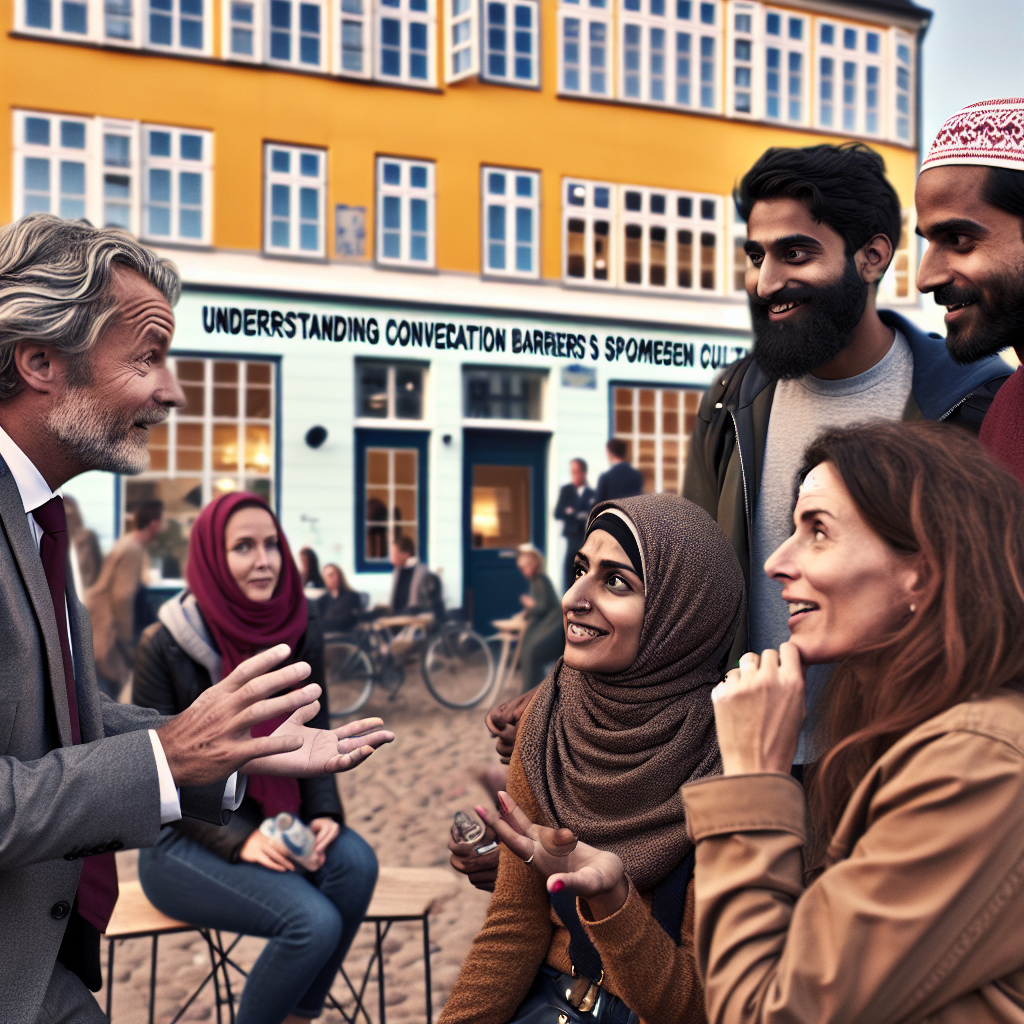
Many newcomers to Denmark voice a common concern: Danes aren’t exactly known for their spontaneity. Attempting to engage someone in conversation while waiting for the bus or sitting on the train often yields little more than polite nods. Even among acquaintances, any meeting must typically be scheduled well in advance, as their calendars can fill up faster than one might expect.
There’s a saying that when two Italians reunite on the street after a long time apart, they’ll casually suggest grabbing a spontaneous cup of coffee. By contrast, the encounter between two Danes often leads to an exchange of calendars, each one poring over dates and times before settling on a plan.
“How about next Thursday, after work, but before dinner?” one might propose. “What about the following Wednesday?” comes the reply.
A Rare Exception: Springtime Cheer
However, spring marks a delightful exception to this planning culture. As winter gives way to sunshine and the first buds appear, a burst of good weather can inspire the Danes to throw caution to the wind, abandoning their meticulously arranged schedules to enjoy an impromptu beer by the water. And in Denmark, there’s rarely a shortage of picturesque spots along the coast to do just that.
Lessons from the Vikings
In most other aspects of daily life, a structured approach to time is paramount. This disciplined planning has deep roots in a culture shaped by centuries of harsh winters, where survival often hinged on meticulous long-term strategies. With little growing from November to April, the Vikings mastered the art of food preservation: salting fish, pickling vegetables, and crafting ingenious underground coolers for storing dairy.
The Efficiency of Danish Society
These traits have persisted through generations. Today, this penchant for strategy and order significantly enhances the quality of life in Denmark. Efficient public services, like punctual buses and well-maintained water systems, can be attributed to this commitment to planning. Recently, during a national election in Copenhagen, I had the opportunity to witness this firsthand as a poll worker. The organization was astounding; voters smoothly processed their ballots in just a couple of minutes. Some were in and out in less than a minute if they knew who they were voting for. Later, with well-orchestrated teamwork, we counted over 8,000 ballots in under three hours.
Order and efficiency—they’re hallmarks of the Danish experience.
The Challenges of Spontaneous Interaction
Nonetheless, while the Danes excel in organization, spontaneous human connection often falls short. I recently came across a thread online where an international father lamented his daughter’s struggle to engage with local children at a playground. While his daughter eagerly approached them, the Danish kids appeared uninterested, preferring their own structured play. Forum members explained that even for young children, spontaneous socialization is rare here; friendships typically flourish in organized settings like kindergartens.
Frustrations for Newcomers
This cultural norm can be perplexing and disheartening for newcomers yearning to build a social life. I recall my own early days in Copenhagen, eager to connect. One weekend, I joined a boat trip to Flakfortet, hoping to meet fellow travelers. Instead, I found myself sitting alone on the island, watching others engrossed in their cliques. Luckily, the weather was lovely.
Planning Ahead is Key
Danes typically prefer to get to know each other in structured contexts—through teams, projects, or shared interests—often requiring dedicated time slots that everyone can slot into their agendas. This means many gatherings are planned weeks, sometimes months, in advance; even Christmas parties can start being mapped out as early as August.
Encouraging a Touch of Impulse
However, don’t let this deter you entirely. Impulse has its place in Denmark; a friendly conversation or smile can sometimes spark delight in an unexpected interaction. Elderly Danes, in particular, often appreciate the company of a stranger over a chat. Yet, for those in the bustling prime of life, the reality is that most people feel the strain of balancing work, family, and existing friendships, leaving little room for new connections. Time is a precious commodity here, one that truly cannot be taxed by the government.
