

A Return to Ko Lipe: A Journey Through Time
After nearly two decades away, I recently returned to Ko Lipe, the Thai island I once called home for almost a month in 2006. Back then, it was a hidden gem, far removed from the usual tourist routes. Electricity was scarce, often available only a few hours each day, and modest beachfront bungalows could be rented for just $2 USD. There was even a cargo boat for seasonal trips—a testament to its remoteness.
The charm of Ko Lipe lay in its simplicity. Days were spent lounging on the beach, reading a book, snorkeling, and sipping beers at the island’s one beach bar. Meals were shared at a handful of local restaurants; evenings were relaxed and early. It was paradise, a place where time stretched languidly, often transforming days into weeks.
If you were to ask me about the highlight of my travels, I would undoubtedly mention my time on Ko Lipe. There, I forged lasting friendships, immersed myself in the local culture, picked up bits of Thai, and embraced the carefree life that every backpacker dreams about.
Over the years, I hesitated to return, afraid that the memory of that special time would be tainted. Any revisit felt like an attempt to recapture a fleeting magic—one that had vanished along with the familiar faces I once knew. Moreover, I worried about the island’s development; I feared it had transformed beyond recognition.
Thailand’s tourism often leans toward unsustainable practices, with islands booming at the expense of their natural beauty. I didn’t want my beloved Ko Lipe to fall into that trap.
Yet, as I planned my recent trip through Southeast Asia, heading toward Malaysia via Thailand’s Indian Ocean coast, the allure of returning to Ko Lipe became undeniable. I needed a vibrant place for New Year’s Eve, and what better choice than an island reputed for its lively atmosphere? With a boat to Langkawi, it seemed practical.
So, I took the plunge.
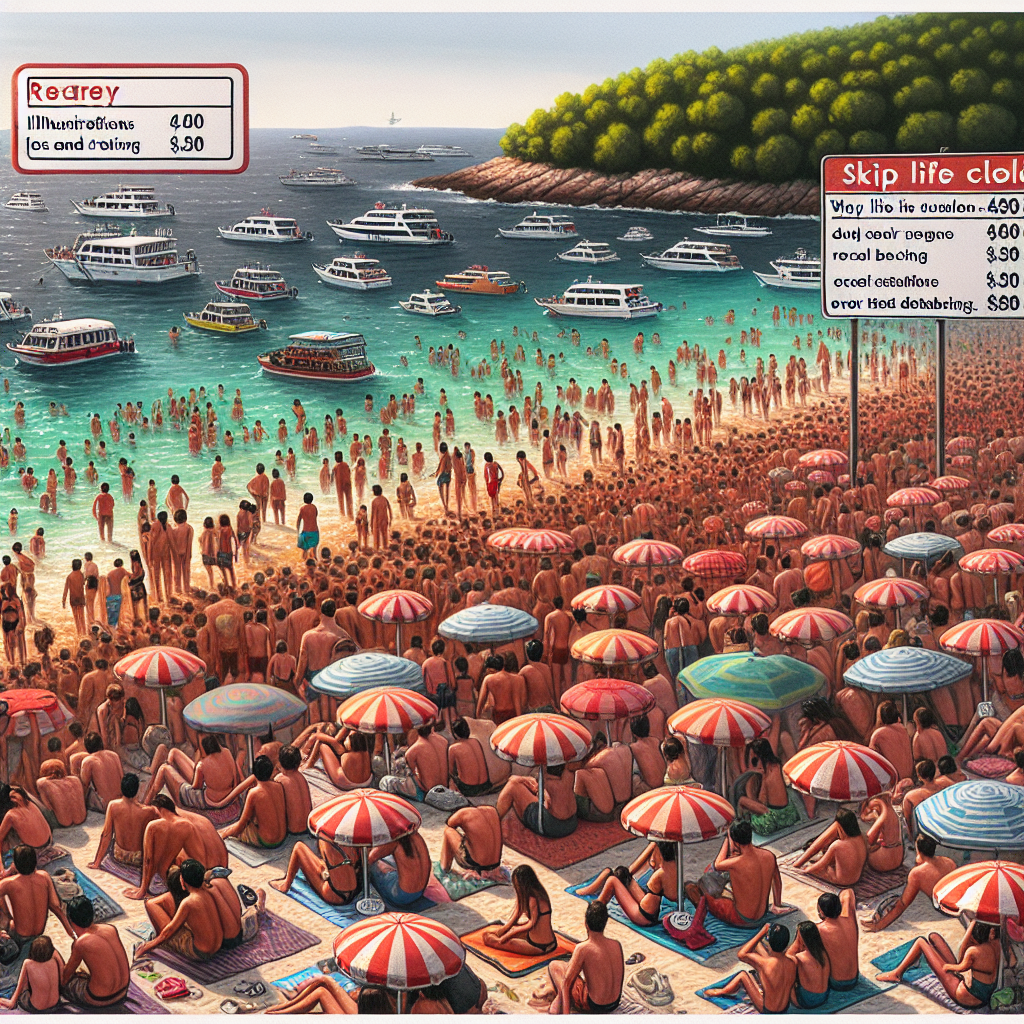
Regrettably, I returned to find that Ko Lipe had embraced the overdevelopment typical of popular destinations like Ko Phi Phi. Most of the island is now paved, with concrete replacing the rustic dirt paths I once loved. Once-lush palm groves are now home to upscale resorts with pools—on an island that still lacks a natural water supply. Construction continues at a relentless pace, while the coral reefs suffer under the weight of pollution, boat anchors, and overfishing. The once-pristine beaches are now cluttered with boats, their exhaust creating an oily sheen on the water. Restaurants have shifted their focus to subpar Western fare, overshadowing the tantalizing flavors of authentic Thai cuisine.
The tourism boom has forced many locals to sell their homes and businesses to mainland developers, leaving behind a workforce composed primarily of outsiders who rarely see the economic benefits of this rapid growth.
This is the sad reality of Ko Lipe—a victim of Thailand’s all-too-frequent overdevelopment and exploitation of limited resources.
During my stay, I encountered many visitors who adored the island. Indeed, for first-timers, it is easy to be captivated by its postcard-perfect scenery, serene azure waters, and powdery white sand. Given its national park surroundings, various tours offer exciting excursions to secluded islands, making it an appealing choice when compared to more developed spots like Ko Phi Phi, Krabi, or Phuket.
Yet, as I reflect on Ko Lipe’s transformation, I find myself echoing a sentiment I’ve grown fond of regarding places like Ko Phi Phi: perhaps it’s best to stay away.
I’m not opposed to progress, but this form of growth raises concerns. It’s unsustainably managed, and each visitor only aggravates the island’s already strained resources. You simply can’t expect locals to sacrifice their livelihoods for an idealized tourist experience.
Given this situation, I urge travelers to consider other, better-managed islands, such as Ko Lanta, Ko Jum, or Ko Mook. Visiting Ko Lipe in its current state will only exacerbate the issues it faces.
It pains me to reach this conclusion, especially since my original trip shaped so much of my perspective on travel. However, responsible stewardship as travelers necessitates recognizing when enough is enough.
Ko Lipe, in its present form, is one such place.
Choose to visit somewhere that honors the beauty of sustainability. Your decisions matter.
Consumer consciousness has brought about significant changes before—elephant rides have diminished in Thailand, eco-lodges have gained popularity, and the discussion of overtourism continues to grow among travelers.
Perhaps if enough people opt for alternatives, Ko Lipe might regain some of its former charm. I remain skeptical—that’s the reality. But by choosing not to go now, at least we’re not contributing to the problem.
Let us hope that we can find a path that respects both the land and the people who call it home.
