

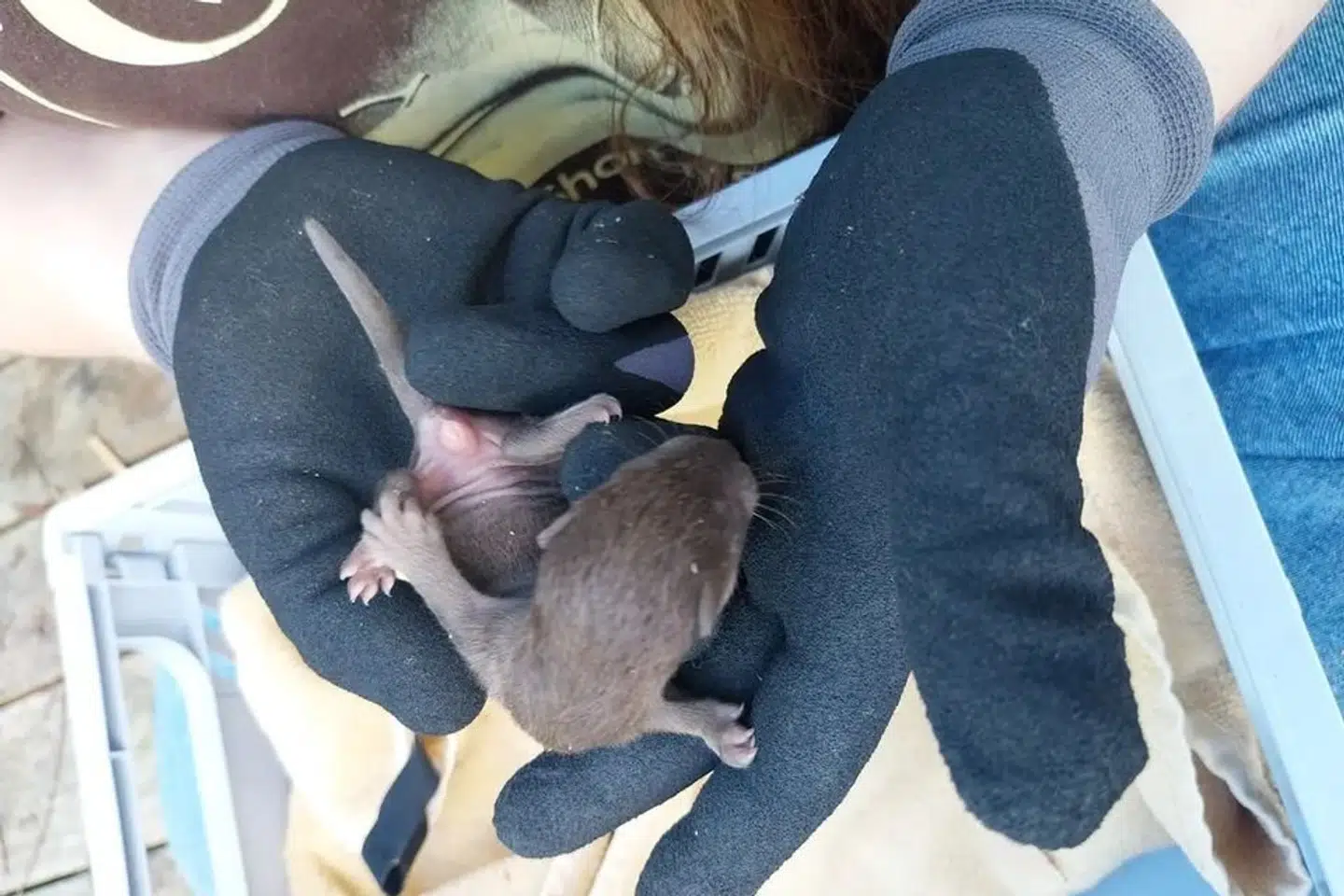
For the first time since the 1970s, a baby otter has been spotted on Zealand, marking a significant milestone for Denmark’s wildlife. This remarkable discovery was announced by Dyrenes Beskyttelse in a recent press release.
The find serves as compelling evidence that otters are once again breeding in the natural settings of Zealand. Biologist Peter Gravlund Nielsen, who oversees fauna projects at Dyrenes Beskyttelse, hailed the event as “a milestone for Danish nature.” He emphasized the importance of the otter as a top predator within aquatic ecosystems, asserting that it rightfully belongs in the region’s streams, lakes, and fjords.
“The fact that otters are breeding again on Zealand demonstrates that nature has the ability to recover what was once lost, provided that species are given the necessary peace and space to thrive,” he stated.
Historically, otters faced severe threats; intensive hunting, fuelled by the belief that they were pests, led to a dramatic decline in their numbers by the 1960s. However, legal protection was established in 1967, allowing the population to gradually rebound. Today, otters are found throughout Jutland and are also flourishing on Funen.
While Dyrenes Beskyttelse previously reported a handful of sightings and DNA traces on Zealand, this recent sighting of a juvenile otter is the first confirmed case and a hopeful sign for the species’ future in the area.
