

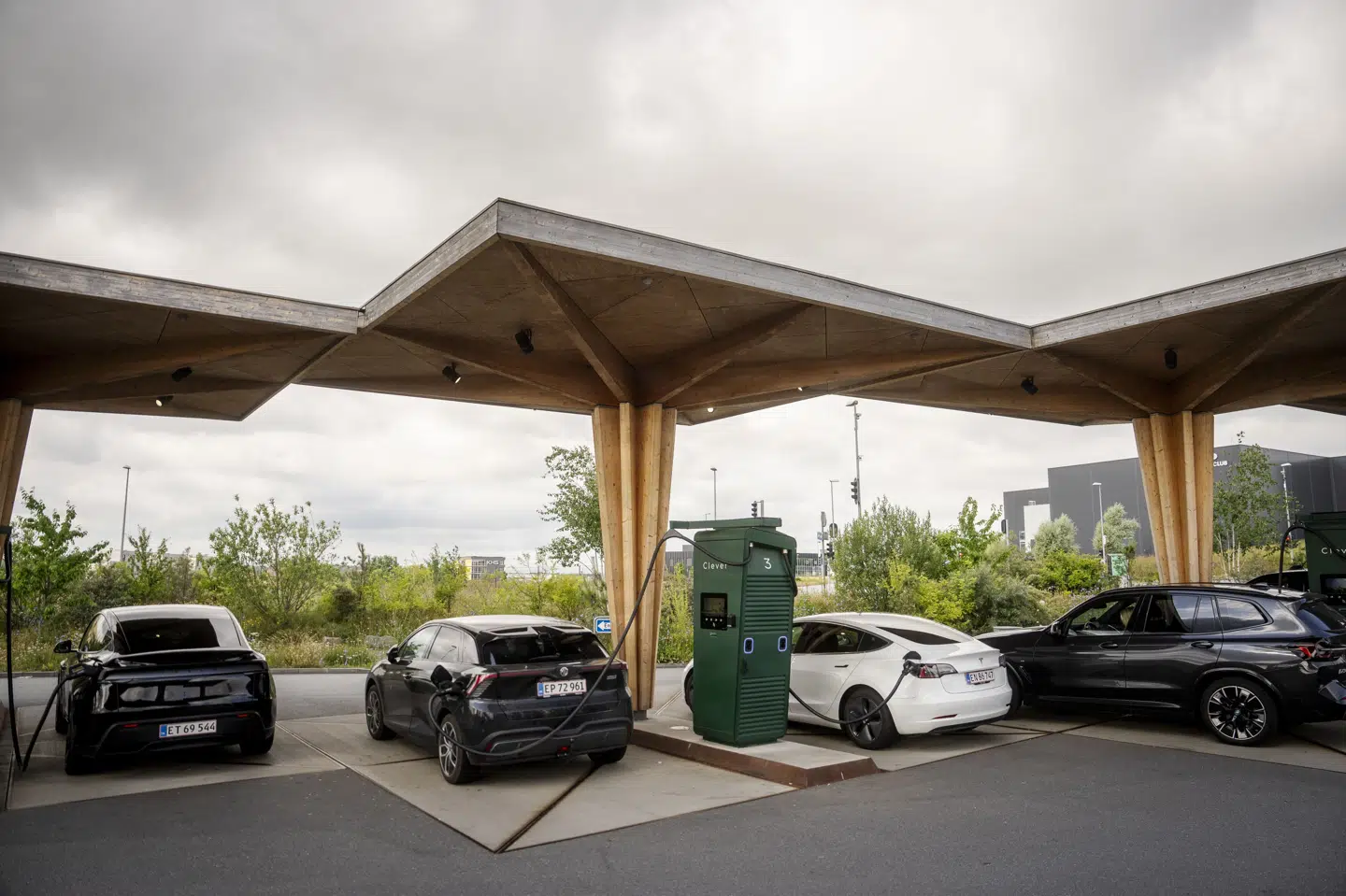
Every time a new petrol or diesel vehicle makes its debut at a Danish car dealership, four electric cars hit the roads in tandem. This striking statistic comes from Mobility Denmark, which recently published a preliminary assessment for the year 2026, now that we’ve crossed the halfway mark of 2023.
In total, 101,032 new cars were sold, representing a notable 12.9 percent increase compared to the same period last year. Significantly, 79.9 percent of these vehicles, translating to a robust rise of 41.2 percent, are powered by electricity.
Mads Rørvig, managing director of Mobility Denmark, emphasizes the pivotal role electric cars play in this upward trajectory. “Electric vehicles are distinctly driving the trend, accounting for the vast majority of registrations this year. This development is crucial for Denmark’s climate objectives,” he stated.
Leading the charge is the Skoda Elroq, which has emerged as the most popular model in Denmark this year, with 5,065 units sold. Hot on its heels are the Toyota bZ4X and Tesla’s Model Y.
Interestingly, all ten of the country’s best-selling models this year are electric. Consumer economist Brian Friis Helmer from AL Sydbank suggests that shifting geopolitical tensions, particularly the ongoing conflict between Iran and the United States, may be influencing this trend. “The surge in fuel prices over the past four months, triggered by the unrest in the Middle East, has undoubtedly made owning a petrol or diesel car more expensive,” he noted.
Ilyas Dogru, a consumer economist at FDM, observes that Tesla’s two models in the top ten highlight the impact of financing options, such as interest-free loans, on sales success. “While prices may remain steady, financing offers a compelling competitive edge,” he commented.
As Denmark navigates this evolving automotive landscape, it is clear that electric vehicles are not just a trend; they are shaping the future of transportation in the country.
