

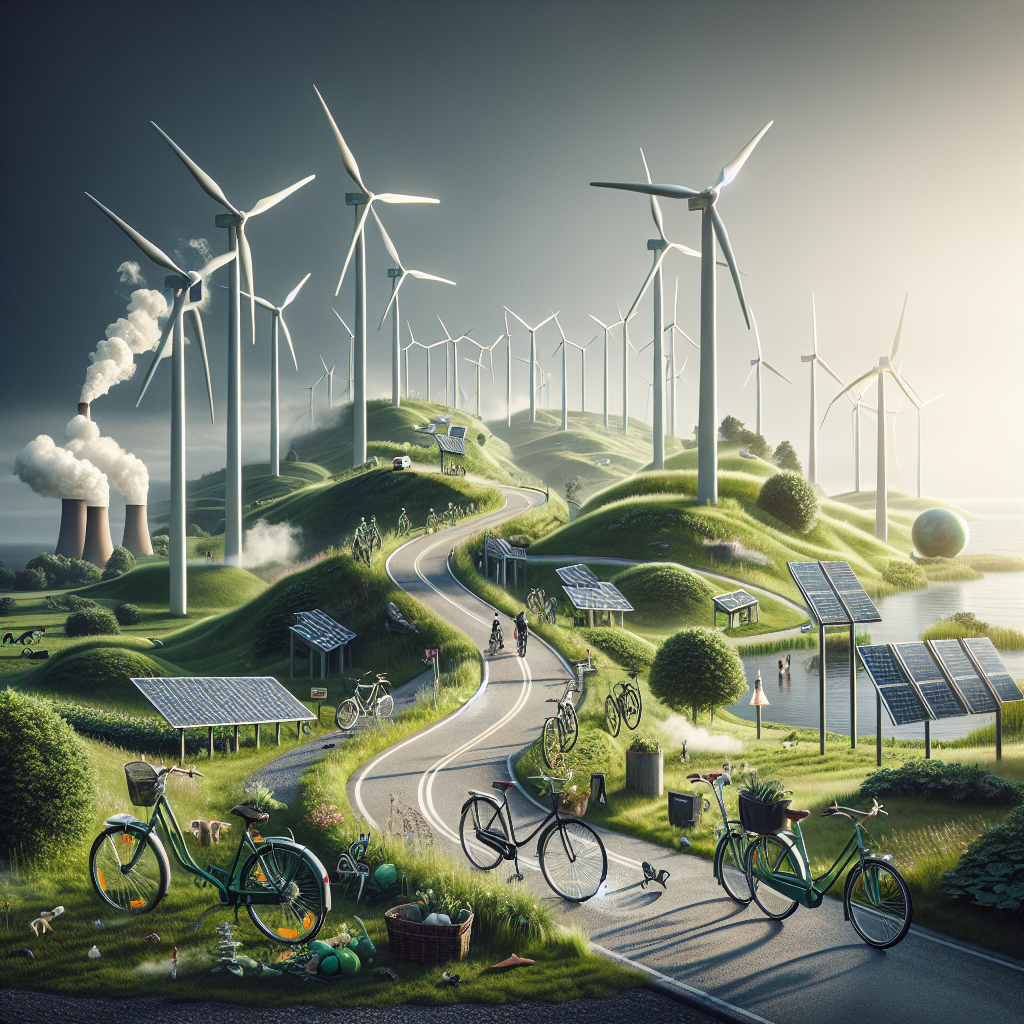
Denmark, often regarded as a pioneer in sustainable travel, perfectly marries environmental consciousness with top-tier tourism experiences. As global interest in responsible and eco-friendly tourism surges, Denmark stands out as a shining example of how nations can harmonize economic growth with ecological stewardship. The country’s sustainable travel practices are firmly rooted in green mobility, eco-friendly accommodations, and conservation initiatives, rendering it a prime destination for eco-conscious travelers eager to minimize their carbon footprint while reveling in rich cultural and natural offerings.
Denmark: A Pioneering Model of Green Tourism
Incorporating sustainability at the heart of its travel and tourism strategy, Denmark aligns its efforts closely with the United Nations Sustainable Development Goals (SDGs), particularly those emphasizing responsible consumption, climate action, and sustainable communities. The nation has earned accolades as one of Europe’s most eco-friendly travel destinations, thanks to initiatives like green tourism certifications, carbon offset programs, and sustainable transport options. These strategies aren’t merely about preserving nature; they represent a broader vision of reshaping travel, positioning Denmark as an exemplar for countries to emulate.
At the forefront of Denmark’s sustainability drive is its commitment to carbon neutrality, with a target set for 2050. This ambitious goal influences all sectors, including travel and tourism. According to the Danish Ministry of Environment and Food, tourism in Denmark has progressively transitioned toward low-impact practices, where transportation is carbon neutral, accommodations utilize renewable energy, and all tourist activities aim to minimize waste and environmental harm.
Eco-Friendly Transport: The Backbone of Sustainable Travel in Denmark
Denmark’s transportation framework is integral to its sustainable tourism model. Boasting one of the world’s best cycling infrastructures, Copenhagen frequently ranks among the finest global cities for cycling. This mode of transport is not only favored by locals but also offers visitors a delightful way to navigate the city’s charming streets, bustling markets, and scenic waterfronts. With bike-sharing programs, well-maintained bike lanes, and convenient rental services, Denmark makes it effortless for tourists to engage in eco-friendly travel.
Beyond cycling, public transportation presents another viable green travel option. The Danish rail network is electrified and connects most major cities, providing a low-carbon alternative to driving or flying. Visitors venturing to Copenhagen, Aarhus, and Odense can easily rely on the efficient and environmentally friendly train system. Additionally, with investments in electric buses and eco-friendly taxis, Denmark ensures that clean energy transportation remains accessible throughout a traveler’s visit.
Sustainable Accommodation: Green Hotels and Eco-Friendly Stays
As a key component of Denmark’s eco-conscious tourism landscape, sustainable accommodations abound. Numerous green hotels meet international sustainability standards, featuring energy-efficient buildings, water-saving systems, and comprehensive waste management practices focused on minimizing carbon footprints. Many of these hotels hold green certifications, demonstrating their commitment to renewable energy and environmental conservation.
A standout example is the Copenhagen Admiral Hotel, which merges luxury with sustainability through the use of solar panels, eco-friendly cleaning products, and electric car charging stations for guests. Similarly, Hotel SP34 has gained recognition for its dedication to sustainable practices, including offering locally sourced organic cuisine and utilizing green building materials. These eco-friendly approaches not only reduce environmental impact but also allow visitors to savor luxury travel without compromising their values.
Green Tourism Initiatives and Natural Preservation
In Denmark, sustainable travel is intrinsically linked to natural conservation. The country boasts numerous protected nature reserves and national parks where visitors can partake in eco-friendly activities such as hiking, wildlife watching, and birdwatching. The Wadden Sea National Park, a UNESCO World Heritage site, features expansive mudflats, diverse wildlife, and migratory bird populations, serving as a model for sustainable tourism practices that protect delicate ecosystems while allowing for exploration of its splendor.
Moreover, Denmark’s commitment to safeguarding its coastline and marine life manifests in initiatives to limit pollution and restore habitats. Through the efforts of the Danish Nature Agency, sustainable tourism experiences in national parks and nature reserves are increasingly promoted, prioritizing eco-tourism while enhancing visitors’ appreciation of the natural world.
Culinary Tourism and Sustainable Dining Experiences
Emailing the green revolution, Denmark’s culinary landscape is characterized by sustainability and ethical sourcing. The New Nordic Cuisine, championed by chefs like René Redzepi of Noma in Copenhagen, emphasizes the importance of using locally sourced ingredients from sustainable farms, along with an appreciation for seafood and wild foods. This approach focuses on minimizing food waste, endorsing organic farming, and highlighting seasonal produce, allowing diners to indulge in meals that also support environmental responsibility.
Copenhagen has earned recognition as one of the globe’s most sustainable food capitals, featuring a range of restaurants that offer plant-based menus and proactively lower their environmental impact through sustainable practices. Tourists can delight in exploring Michelin-starred establishments, vibrant food markets, and eco-conscious cafes that resonate with Denmark’s green ethos.
Denmark’s Commitment to a Sustainable Future
The emphasis on sustainable travel in Denmark reflects the country’s broader ambition to achieve carbon neutrality by 2050. As part of the European Green Deal, Denmark is investing in green infrastructure, including networks for electric vehicles, sustainable construction, and climate-friendly transportation systems. The Danish government actively promotes eco-friendly tourism through initiatives that encourage sustainable practices across the tourism sector.
With its eco-conscious lifestyle, Denmark is increasingly captivating visitors, inviting them to immerse themselves in a culture where sustainability is integrated into everyday life. From cycling and sustainable dining to staying in green-certified hotels, Denmark presents travelers with the chance to relish luxury experiences that align seamlessly with their environmental commitments.
Denmark’s Role in Shaping the Future of Sustainable Travel
Denmark’s approach to sustainable travel embodies the nation’s leadership in environmental responsibility. By showcasing eco-friendly hotels, green transport, conservation efforts, and sustainable dining options, Denmark has constructed a tourism model ripe for emulation by other countries. For those seeking a destination where luxury, culture, and sustainability coexist harmoniously, Denmark offers not just breathtaking landscapes but a steadfast commitment to preserving these very spaces for generations to come.
