

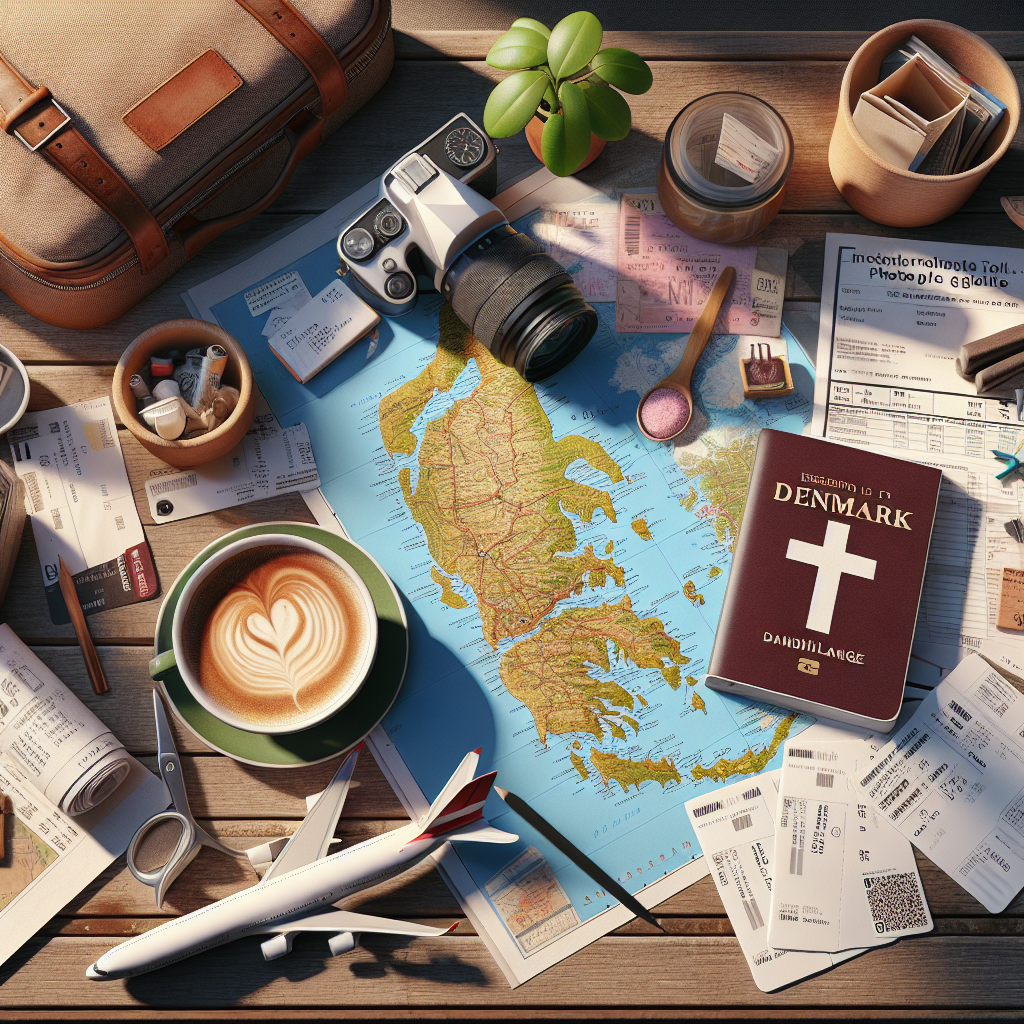
Nestled within the picturesque Danish countryside—where swan-filled lakes, royal gardens, and oak woodlands coexist—lies the inspiration for Hans Christian Andersen’s enchanting fairy tales. In the 19th century, Andersen was captivated by the verdant lily ponds and majestic castle estates of his homeland, a realm where contemporary visitors can still succumb to the charm of its astonishing landscapes. It’s a kingdom that promises to spark dreams.
Copenhagen, consistently hailed as one of the world’s most inviting capitals, offers a rich tapestry of culture, design, architecture, and history—complete with canals, castles, and of course, a pint of Carlsberg. With so much to see, time seems to slip away, especially if you indulge in the city’s Michelin-star dining options.
For those looking to escape the bustling tourist hotspots, cities like Aarhus, Aalborg, and Odense beckon with their own brand of allure. The spaces between these urban jewels are interspersed with stunning fjords, over 400 islands, quaint beach towns, exhilarating theme parks, and remarkable Viking sites, all contributing to Denmark’s reputation as one of the world’s happiest countries. It’s no wonder that the Danish people consistently rank high on the happiness scale.
Travel Restrictions
As of 2021, travelers arriving in Denmark face no Covid-19 restrictions. Entry does not require proof of vaccination, recovery, or testing, and all mask mandates and social distancing measures have been lifted.
Best Time to Visit
While any time could be considered the right time to visit Denmark, summer is particularly vibrant. Cities erupt with festivals, including Roskilde—which rivals Glastonbury in its Scandinavian flair. As locals flock to their wooden cabins and beach destinations, from Klitmøller, affectionately nicknamed Cold Hawaii, to Bornholm, the North and Baltic Seas take on an unexpectedly Mediterranean feel.
For more on Denmark travel:
December also holds its own charm, with Copenhagen transforming into a winter wonderland, especially around Tivoli Gardens, where the aromas of spice-laden cookies blend with festive decorations and merry-go-rounds. For a truly indulgent experience, consider staying at Nimb Hotel, conveniently located at the park’s entrance, a gateway to a fairytale atmosphere.
Top Regions and Cities
Copenhagen
Often cited as one of the world’s best cities, to locals, Copenhagen is nothing short of sacred. It boasts an eco-conscious spirit, featuring cycling superhighways, crystal-clear harbor swimming spots, revitalized warehouse districts, and farm-to-table food markets—all harmoniously intertwined with historic sites reminiscent of Shakespeare’s Hamlet. There’s no prescribed itinerary here; Copenhagen thrives on spontaneity, encouraging exploration—preferably by bike. Discovering the latest in the culinary scene is a favorite local pastime.
Read our Copenhagen Travel Guide
This year, Copenhagen has earned the distinguished title of UNESCO’s World Capital of Architecture. Additionally, the acclaimed Designmuseum Denmark is set to reopen after an extensive two-year renovation, further solidifying the city’s cultural significance.
Odense
Steeped in atmosphere, Odense is Denmark’s most enchanting medieval city, brimming with fairy-tale allure—think witch-hat churches, narrow lanes, lush royal gardens, and a palace fit for Cinderella. As the birthplace of Hans Christian Andersen, the city breathes creativity, especially evident in HC Andersen’s Hus, the museum honoring the famed author. Just outside its borders, royalty awaits in the form of breathtaking sights like Egeskov Castle and the opulent Broholm estate, now a boutique hotel.
Limfjord
Strikingly beautiful, the Limfjord region slices through North Jutland, rich with ancient tales. Once a highway for Viking ships and a conduit for exquisite seafood destined for the palaces of Catherine the Great, today it remains a culinary treasure trove. In Nykøbing Mors, guided tours from the Danish Shellfish Center afford visitors the chance to forage for the last of Europe’s wild oysters—enjoying them fresh from the shell is an unforgettable experience. The area also boasts a variety of incredible restaurants, including the historic Sallingsund Faergerko, a quaint inn dating back to 1694, and Limfjordens Østersbar, a raw bar famous for its striking fjord views.
Billund
For a different kind of magic, head to Billund, the birthplace of LEGO. This enchanting town features a theme park, LEGO-themed hotels, and a slew of family-friendly attractions. Having introduced interlocking bricks to the world 90 years ago and opening its first theme park beside the factory in 1968, Billund is steeped in playful history. Draw in nearly four million visitors annually, making it wise to visit in late spring or early autumn to avoid the summer crowds. And if you’re a child at heart, the remarkable LEGO House—blending museum and playground—should not be missed, featuring awe-inspiring models and innovative interactive exhibits.
Best Under-the-Radar Destinations
Wadden Sea
The bridge leading to Rømø opens up a world of tranquility at the UNESCO-listed Wadden Sea National Park—a sprawling expanse of beaches and estuaries. If the modern pace of life feels overwhelming, a serene beach walk alongside spoonbills, starlings, and seals offers respite. Not to mention, this area serves as west coast Denmark’s hidden culinary gem: Rømø is home to a staggering 72,000 tons of oysters. With each low tide, you can gather these pearl-shaped treasures directly from the shore—hence the local saying, “if you can’t beat ’em, eat ’em.” A visit to the picturesque town of Tønder, Denmark’s oldest market town, rounds out the experience.
Fyn Vineyards
Denmark joined the European Union as a commercial wine-growing region only in 2000, but today it boasts one of the world’s fastest-growing viticulture industries.Over the years, vineyards have flourished along Zealand, Jutland, and, more recently, Fyn. While some sparkling wines and Rieslings still bear the hallmark of experimentation (not to mention their higher price tags compared to established vineyards), Danish winemakers exhibit promise as climate change shifts grape cultivation northward. Seek out Kimesbjerggaard Vingaard, which overlooks Lyø Island, Svendborg Vingård along Fyn’s southern coast, or Stokkebye, a successful pinot noir purveyor.
Samsø
Samsø is a treasure trove of experiences—hike cliffside paths, cycle through verdant farmlands, swim at family-friendly beaches, or enjoy sunrise fishing along the coast. This tranquil island stands out as the world’s first renewable energy island, operating entirely on self-generated power, with 90% of its wind turbines owned by locals. A guilt-free getaway is guaranteed, as this island, often dubbed Denmark’s ‘vegetable garden,’ delights the palate with its sustainable dining options.
Best Things to Do
Cycle Copenhagen
Copenhagen is a cyclist’s utopia, featuring an impressive network of bike paths and car-free lanes that showcase the city’s ingenuity. The highlight? The Harbour Ring, a scenic 10-mile route that navigates past iconic landmarks, including the Royal Danish Opera House and the Black Diamond Library—a fitting tribute to this progressive capital.
Stay in a ‘Badehoteller’
The Danish coastline boasts a tradition of beach hotels known as badehoteller, where luxurious retreats and transformative spa experiences become destinations in their own right. These havens celebrate a slow pace of life and emphasize local cuisine. Notable mentions include Rødvig Kro & Badehotel, situated near the chalk-and-limestone cliffs of Stevns Klint, and Ruth’s Hotel in Skagen, which transports visitors to a Hamptons-esque experience on the North Sea. In 2024, Gilleleje Sø- og Havbad—a historic town hall repurposed into a boutique hotel—will undoubtedly be a sought-after destination.
Drive the Marguerite Route
If you wish to explore all that Denmark has to offer, consider the Marguerite Route, a nationwide pathway inaugurated in 1991 as a tribute to Queen Margrethe II. This scenic route highlights approximately 1,000 castles and attractions, illustrating the diverse landscapes and historical richness of the country. Starting in Zealand, you might journey from Holsteinborg Castle to Herreborgen Borreby, or venture into Jutland, where 12th-century Børglum Abbey awaits you, leading up to Rubjerg Knude Lighthouse. Each twist and turn is marked with blooming Marguerite daisies—signifying the queen’s favorite flower.
Getting Around
Denmark is a joy to navigate—be it by road or on two wheels—with its scenic routes and infrastructure that rivals the best in Europe. For rail travel, DSB offers wallet-friendly ‘Orange’ tickets, discounted outside of peak hours and available at early purchase. For more travel inspiration, visit Visit Denmark.
How to Get There
For budget-friendly travel, consider flying into Copenhagen or Billund via airlines like easyJet or Ryanair. Once inside the country, the rail system efficiently connects cities such as Odense and Aarhus, making travel seamless.
Money-Saving Tip
Though Denmark may be pricier than the UK, its innovative culture opens the door to saving opportunities. While dining at restaurants can be steep, the nation’s delectable street food scene—particularly the beloved pølser (Danish hot dog)—offers an affordable and tasty alternative.
FAQs
What’s the Weather Like?
In Denmark, the Vikings may have worshipped numerous deities, but today it seems the sun god, Sól, is ever-present in the minds of locals. While Danes adore sunny weather, the temperate Nordic climate ensures rainfall throughout the year, with summer highs reaching around 22°C and winter lows fluctuating between -2 and 4°C.
What Time Zone Is It In?
GMT+1.
What Currency Do I Need?
Danish Krone (DKK)
What Language Is Spoken?
Danish is the official language, but English is widely spoken throughout the country.
Read more on the best Denmark hotels
