

Updated October 22, 2025, 01:45 PM
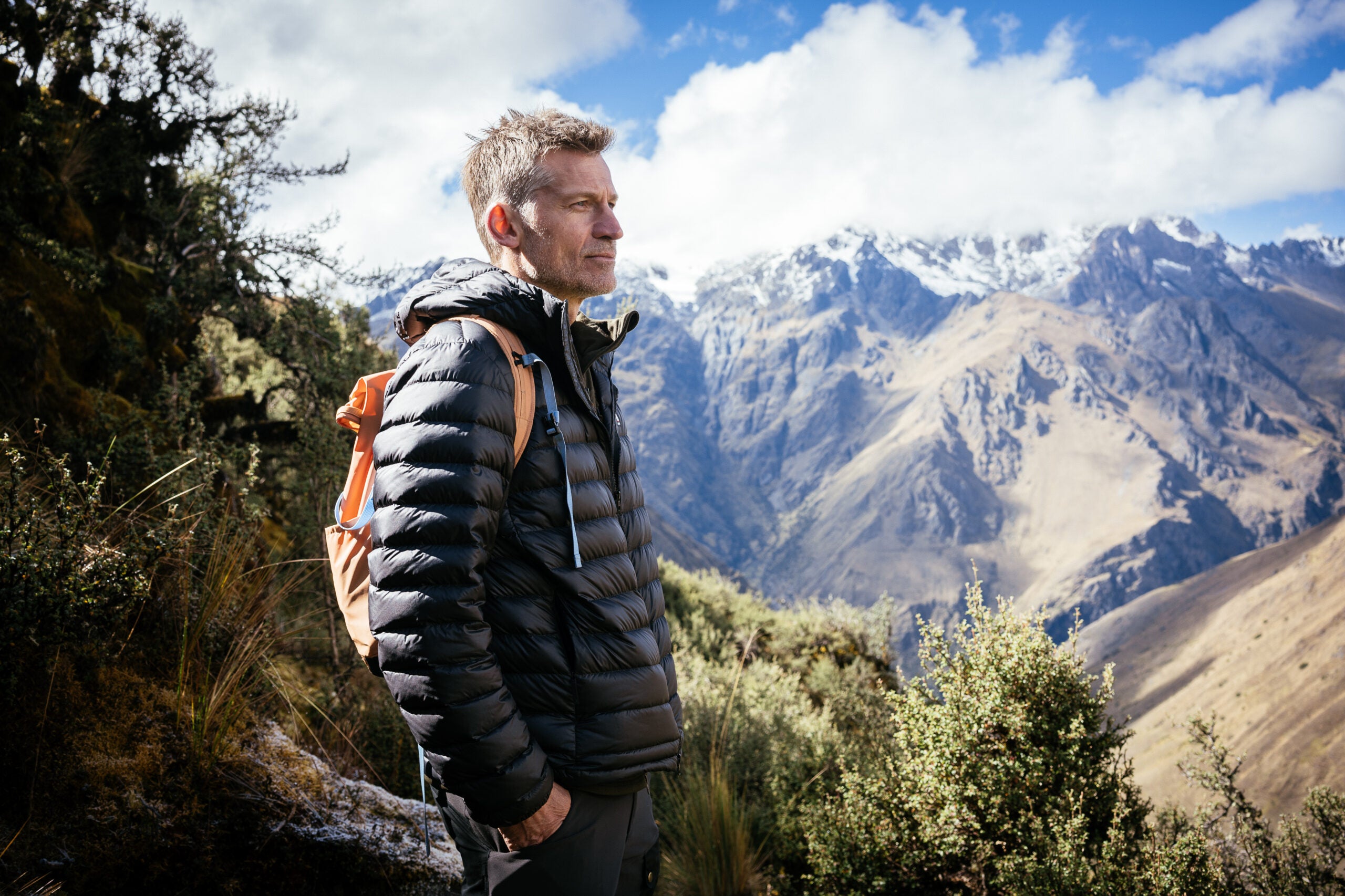
Once known for portraying a tormented hero over eight gripping seasons in Game of Thrones, Nikolaj Coster-Waldau now embodies a more hopeful figure in his latest venture. The Emmy-nominated Danish actor is dedicated to spotlighting the real-life champions working tirelessly to enhance our planet in his docuseries, An Optimist’s Guide to the Planet. Following the success of its first season in 2024, the much-anticipated second season, featuring six thought-provoking episodes, debuts on October 22, 2025.
Coster-Waldau’s optimism is partly fueled by his experiences as a UN Goodwill Ambassador since 2016, where he has encountered resilient individuals tackling significant challenges. Hailing from Denmark—often dubbed the second happiest country in the world—he embodies the spirit of “realistic optimism.” Here, citizens are taught to reframe adverse situations into positive outcomes. Denmark has long been a forerunner in sustainability, from launching the world’s first wind energy islands to pioneering a skiable power plant (drop by Copenhill in the show). This heritage, rooted in agriculture and fishing, instills a deep respect for nature, urging figures like Coster-Waldau to advocate for a greener future.
An Optimist’s Guide to the Planet takes viewers on an inspiring journey as Coster-Waldau traverses the globe, connecting with individuals and communities championing sustainable practices. This season features captivating locales, from the majestic Andes to the lush expanse of the Ecuadorian rainforest. Here, he uncovers innovative initiatives, such as transforming waste into renewable energy and extracting drinking water from the atmosphere. Other highlights include a Chicago-based company that harnesses mycelium to recycle construction debris.
In an interview with Outside, Coster-Waldau reflects on his transition from fending off dragons in Game of Thrones to advocating for a brighter tomorrow, shares his next filming aspirations, and expresses his love for the great outdoors—even if it’s simply a bike ride through New Jersey.
OUTSIDE: What motivated you to pursue a docuseries like this after your success with Game of Thrones?
Nikolaj Coster-Waldau: In 2018, I shot a travel documentary titled Through Greenland, which was an incredible experience. Since 2016, my role as a Goodwill Ambassador for the UNDP has taken me around the globe to visit various projects. I always came away inspired, impressed by what people can achieve, even under the most challenging circumstances. There has always been this prevailing sense of optimism and a shared belief in our ability to improve the world.
When the idea for this show emerged, it initially had a different direction. I insisted that it focus on humanity’s impact on our planet. Ultimately, it had to be about people. This series celebrates human innovation and curiosity. I hope viewers are as inspired by these stories as I am.
Was the show always intended to be an ‘optimist’s guide’? I know that many people may feel discouraged by climate-related stories.
NCW: It has to resonate on a personal level. Good storytelling requires a personal touch. It’s about an individual’s journey, and that’s what we aimed to achieve.
One inspiration was the documentary Anthropocene, which highlights the profound impact humanity has on the planet. It’s beautifully shot, yet devoid of human presence, rendering it deeply depressing—making you think, “Wow, we’ve really changed the world.”
For me, the narrative must always center on solutions. It’s about individuals with brilliant ideas. But the emotional core of the story is the human experience. In the first episode of this season, we visit India to illustrate that sometimes the answers were right in front of us, but we overlooked them.
India has experienced significant population growth and deforestation, with the removal of mangrove trees now recognized as a critical error. One community member, displaced by severe storms, poignantly reflects, “If only… Why did we cut down the mangroves?”
Such narratives evoke strong emotions because they are personal. Without real people involved, it’s just another tale about tree planting. But when you meet someone directly affected, it changes the perspective entirely, urging viewers to reflect on their own lives.
The Denmark episode features you and your family at your summer home on the small island of Orø. Denmark is often seen as a green success story, yet you illustrate that even the best can falter.
NCW: We all make mistakes. As humans, we’re inherently flawed. The notion that there’s a single solution to every issue or a place that has everything figured out is simply unrealistic. However, there’s always room for improvement.
The story in Denmark surrounding the dead zones in our waterways illustrates this point. We were aware of the oxygen depletion issue for some time, but it wasn’t until a photojournalist spent a year documenting it that it gained substantial attention.
Asger Ladefoged, the journalist, noted that he had covered war zones without receiving as much traction, yet once these haunting images surfaced showing a barren seafloor, it struck a chord. Danes, who take pride in environmental balance, were stunned to learn how skewed the situation had become.
As someone who grew up in rural areas, I find this situation particularly tricky. It’s easy to blame farmers, but this issue stemmed from excessive fertilizer runoff, yet the farmers were merely adhering to regulations.
The response from the public was remarkable; it became a bipartisan issue uniting farmers and fishermen alike, all asking, “What can we do?” Their solution: to convert 15 percent of our agricultural land into forest cover.
They aim to plant one billion trees over the next decade. The situation serves as a reminder that, even in a democracy, it’s easy to feel disillusioned, but we ultimately hold the power to make a difference.
Whether as a documentary or in fiction, narratives must be specific and personal. When someone shares their story—be it uplifting or tragic—it resonates far more than a distant warning about future consequences.
This season illustrates that, regardless of where you live—whether in the U.S. or India—the challenges remain consistent. The circumstances vary, but the quest for solutions is universal. Techniques that work in Finland may not apply here, yet perhaps we can inspire one another.
What do you hope viewers take away from this season of An Optimist’s Guide to the Planet?
NCW: We explore a wide array of cultures and regions. I hope viewers come to realize, “Oh wow, we’re not so different after all.” The desire for a better world transcends geographical boundaries, providing a sense of hope.
Additionally, I want them to be inspired by the remarkable innovations featured. One standout is Mycocycle in Chicago, which emphasizes the incredible capabilities of fungi. They can decompose materials that we struggle with—reminding us that solutions often lie in nature, just waiting to be discovered.
By tapping into our intrinsic curiosity as humans, we can address monumental challenges.
I understand you enjoy cycling. How does the outdoors fit into your daily life?
NCW: I’ve been in New Jersey for the past few months, and I’ve loved exploring on my mountain bike. Contrary to its reputation, Jersey is quite beautiful—filled with forests reminiscent of home. I try to step outside as often as possible, whether it’s mountain biking, hiking, or simply walking. I feel restless if I’m cooped up indoors; a long walk is always worth it.
Are there specific locations you dream of filming next, or places you cherish revisiting?
NCW: There are countless places I’d love to explore. Patagonia is high on my list, as is Brazil—I have yet to visit. South America captivates me, particularly when considering innovative solutions emerging from places like China; the sheer scale of their initiatives is astonishing.
An Optimist’s Guide to the Planet season two premieres on October 22 at 8 PM EST on Bloomberg Originals and at 10 PM EST on Bloomberg TV.
