

In 2019, a wave of influencers touted the teeth whitening product Smilebright, promising users a brighter smile in just ten minutes. However, in a revealing investigation by DR’s consumer magazine “Kontant,” it was uncovered that Smilebright contained a staggering 75 times the allowable limit of hydrogen peroxide.
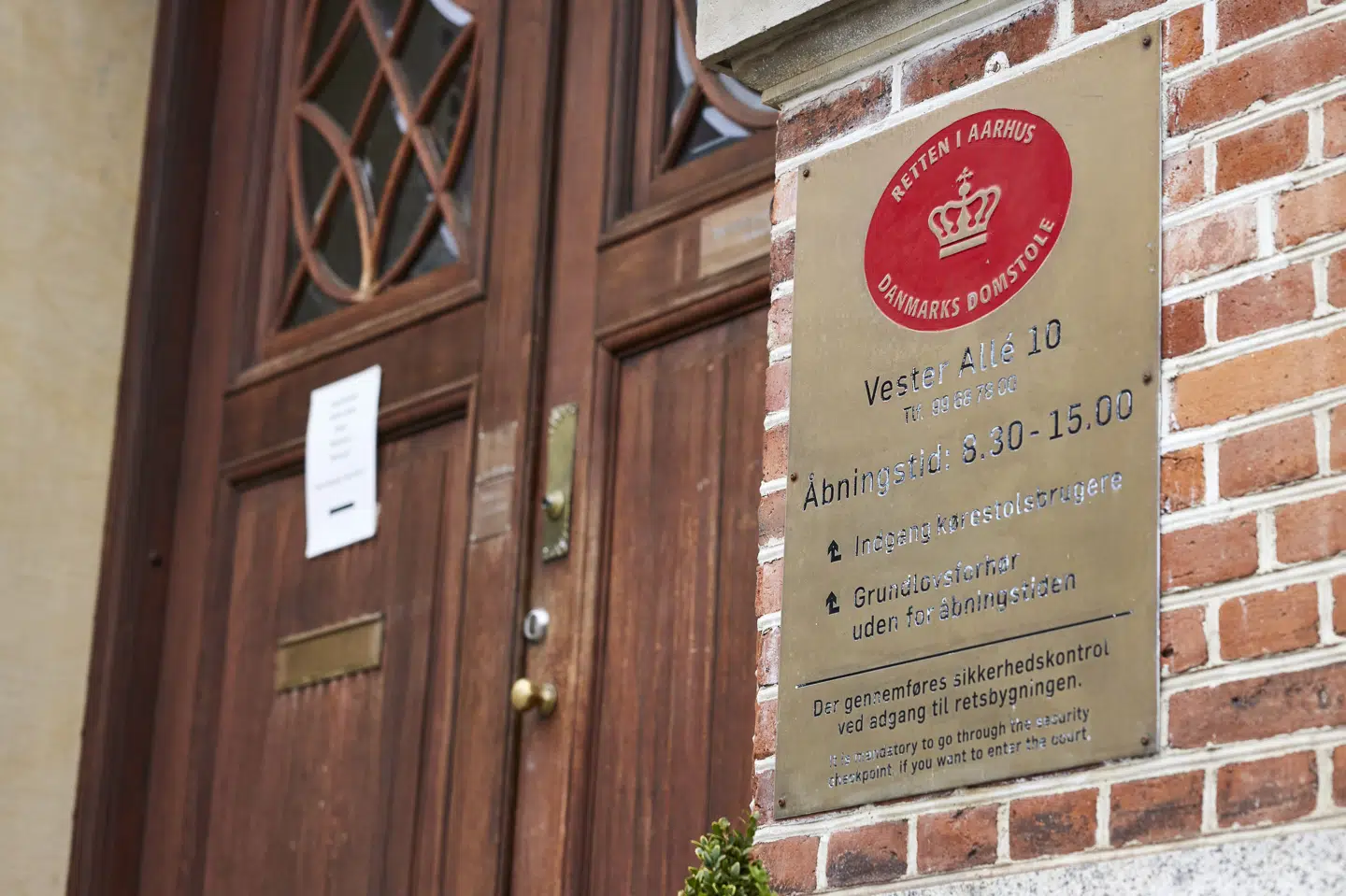
Now, as the legal ramifications unfold, two men connected to the marketing and sale of this controversial product face charges in a criminal case that commences this Monday at the Court in Aarhus. The prosecution is seeking a hefty fine of DKK 200,000.
The indictment reveals that the Smilebright teeth whitening kit contained 7.5 percent hydrogen peroxide, in stark violation of cosmetics regulations that allow for no more than 0.1 percent in oral products. This excessive concentration raises serious concerns, as it poses significant risks to human health and safety.
Hydrogen peroxide, commonly used for wound disinfection and as a bleaching agent, can be hazardous, particularly at high concentrations. During a segment discussing Smilebright, a dentist warned that such products could lead to serious issues, including damage to both teeth and gums.
The indictment further states that from February to September 2019, the two accused men facilitated the marketing and sale of Smilebright through their now-defunct company, Online Traders ApS.
Compounding their troubles, the pair is additionally charged with failing to withdraw the dangerous product from the market or alert the authorities upon recognizing its non-compliance. They allegedly misled the Chemicals Inspectorate in January 2020, falsely claiming that the product had been recalled and that affected customers had been notified and compensated.
Both men, aged 29 and 31, maintain their innocence through their legal representatives. The trial is set to unfold over a day and a half at the Court in Aarhus, with prosecutor Laura Pedersen indicating that the verdict will be delivered at a later date. She has confirmed that testimony will come from both an employee of the Danish Environmental Protection Agency and four individuals who used the product.
The case raises vital questions about consumer safety and the responsibility of those who market such products.
