
Denmark Reopens the Olympic Dialogue for Greenland and the Faroe Islands, but the IOC Stays Firm
The Danish Parliament has ignited a fresh discussion regarding Greenland and the Faroe Islands’ representation at the Olympic Games. In a letter to the International Olympic Committee (IOC), the Presidium of the Folketing has sought permission for these autonomous territories to compete under their own flags, rekindling a delicate dialogue about their sporting identities within the Kingdom of Denmark. The letter, dated June 18, 2026, was publicly released on June 30 after extensive debates about broader Nordic representation. However, an Associated Press report dated July 1 reveals that the IOC firmly reiterated its existing rules, maintaining that Greenland and the Faroe Islands cannot have separate Olympic teams. As it stands, athletes from these territories will continue to compete as part of the Danish Olympic team.
Copenhagen’s Plea to the IOC
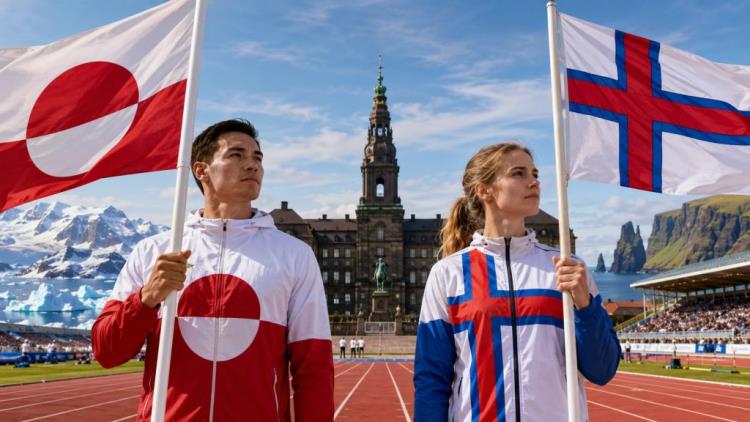
In the communication addressed to the IOC, the Danish Parliament called for a “reconsideration” of Olympic committee recognition criteria. The letter emphasizes that the aim is to allow Greenland and the Faroe Islands to compete as independent entities, reflecting their unique democratic, cultural, social, and sporting identities within Denmark. Though not claiming full statehood for these territories, the Parliament insists their aspirations deserve acknowledgment on an equal footing, particularly regarding their potential independent representation in the Olympic movement. If granted recognition, athletes from the Faroe Islands could proudly carry the Merkið flag, while those from Greenland could represent themselves with the Erfalasorput flag during the Olympic opening ceremonies.
Folketing Speaker Søren Gade noted the strong and independent sporting identities of both territories. The Parliament emphasizes its commitment to supporting athletes from Greenland and the Faroe Islands who aspire to compete on the international stage under their own flags. Moreover, the letter signifies Denmark’s political duty to enhance the international presence of these territories, aligning with the new government’s goal of amending the Helsinki Treaty for better Nordic cooperation. Consequently, the Olympic issue transcends mere sports; it reflects a larger dialogue about these autonomous regions’ visibility on the world stage.
IOC’s Unyielding Stance
In response, the IOC has dismissed Denmark’s request, standing by its interpretation of the Olympic Charter, which defines a qualifying country as an independent state recognized by the global community. The IOC has repeatedly communicated that, as semi-autonomous regions of Denmark, neither Greenland nor the Faroe Islands satisfies this requirement. This standpoint highlights a significant barrier, as the IOC’s strict adherence to these rules complicates any potential resolutions without substantial alterations to the Olympic framework.
Since 1996, the inclusion of national Olympic committees has been tightly bound to internationally recognized statehood. Acknowledging this, the Danish Presidium referred to existing exceptions—like Aruba, Bermuda, and Puerto Rico—who were allowed to compete as separate entities under earlier, less restrictive policies. The letter also recalls that the Faroe Islands had applied for separate recognition as early as 1983, prior to the 1996 amendments, presenting a poignant contrast between historical and contemporary recognition processes that lies at the heart of this debate.
The Autonomy Within Denmark’s Kingdom
Greenland and the Faroe Islands enjoy significant self-governance but remain extensions of Denmark, as clarified by the Danish Ministry of Foreign Affairs. Both territories have carved out their unique local governance since the Faroe Islands achieved home rule in 1948 and Greenland in 1979, with further autonomy granted in 2009. However, while they manage many internal affairs, the Danish government retains control over foreign policy and international obligations, making the Olympic recognition a multifaceted political issue. Despite having their parliaments and governments, participation in Olympic competitions doesn’t automatically translate into separate Olympic representation, so Copenhagen’s request ultimately encompasses far more than merely registering athletes.
Sporting Credentials of Greenland and the Faroe Islands
In its appeal, the Danish Parliament highlighted the established sporting identities of Greenland and the Faroe Islands, noting their involvement in several international sports federations, such as the International Handball Federation. The Faroe Islands have notably participated in UEFA and FIFA competitions, with their men’s national handball team making strides on the European stage. Their engagement in sports underscores their capability and credibility, as evidenced by their recent success at EHF EURO 2026.
For Greenland, winter sports, particularly biathlon, are most commonly associated with their Olympic aspirations. Careful records show Greenland’s athletes, like Ukaleq Astri Slettemark and Sondre Slettemark, have competed under Denmark’s flag in the upcoming Milano Cortina 2026 Winter Olympics, demonstrating that they possess both the talent and potential to shine on the Olympic stage, albeit still tethered to Denmark’s Olympic committee.
Exceptions Exist, Yet Change Remains Elusive
A significant aspect of Denmark’s plea revolves around the IOC’s recognition of territories that don’t align with the current standard of independent states. Currently, 206 national Olympic committees exist—surpassing the number of UN member states, a legacy informed by historical precedents of Olympic inclusion. The Danish Parliament argues that the IOC should consider a more adaptable interpretation of its criteria for Greenland and the Faroe Islands. However, the IOC has indicated no intention to exercise this room for flexibility in this instance.
Understanding the difference between old exceptions and new requests is crucial for grasping the IOC’s resolute stance. Territories like Puerto Rico, Bermuda, and Aruba retain their separate Olympic identities because they were acknowledged before the stricter guidelines took effect, and those rights were not revoked. Conversely, Greenland and the Faroe Islands would require a fresh decision under much tighter regulations for recognition, placing them in a unique and challenging position.
Political Support and the Olympic Challenge
While the intentions behind Denmark’s request carry significant symbolic weight, it is essential to recognize that institutional support does not guarantee automatic changes within the Olympic framework. The Folketing’s position reflects a commitment to enhancing the international profile of Greenland and the Faroe Islands, aligning with their broader objectives for increased representation. Nevertheless, without a shift in the IOC’s interpretation of the Olympic Charter or procedural adjustments, change remains unlikely.
For athletes, the implications are stark. Absent changes in the IOC’s regulations, qualifying athletes from Greenland and the Faroe Islands will participate under the Danish flag at the Los Angeles 2028 Summer Games. This critical upcoming event will serve as a significant platform for athletes from both territories, particularly in disciplines closely linked to the Olympic system, like football and handball.
A Broader Discourse Beyond Sports
The Olympic dilemma facing Greenland and the Faroe Islands illustrates the intricate interplay among sports, autonomy, and international politics. While the IOC positions itself as a non-governmental organization, its policies heavily intersect with global questions of statehood and recognition. The letter from Denmark urges the IOC to embrace a more inclusive and diverse framework, yet the organization has currently taken a contrary position, maintaining that the territories do not meet the criteria for independent recognition.
As matters stand, the immediate repercussions of the Danish request seem limited: political backing exists, yet the doors to institutional change remain firmly shut. However, this discussion highlights an evolving acknowledgment of the unique sporting and cultural identities of Greenland and the Faroe Islands. The conversation is bound to continue, as these territories strive for greater visibility—both on the Olympic stage and beyond. As for now, athletes will navigate their journeys to the Olympic Games under the Danish banner, while the debate surrounding their flags persists off the field.
