

For decades, the tourism industry thrived on the idea of accumulation—more landmarks, more restaurants, more nightlife, and an ever-expanding slate of experiences to squeeze into a limited number of days. Yet as we approach 2026, a different vision is beginning to take shape, one that champions the opposite: fewer distractions, quieter surroundings, and a gentler pace of life.
This emerging concept is known as the “quietcation.” Although the term lacks formal status within the tourism lexicon, it captures a palpable shift in what travelers now seek. In a world increasingly filled with noise, both literal and metaphorical, the allure of silence has never been more pronounced. Here, the Nordic region has a distinct advantage, boasting an abundance of forests, fjords, lakes, islands, and mountains that provide not only physical distance from crowds but also a cultural heritage of simplicity that encourages a slower, more mindful approach to leisure.
However, a note of caution is warranted. The Nordics are not uniformly devoid of urbanity; natural spaces are rarely devoid of sound, and promoting a “hidden gem” too well can often lead to the very crowds one wishes to escape. While quiet can certainly be a luxury, it’s crucial to treat it as a finite resource rather than another commodity to be consumed.
A Trend Backed by Numbers, Lacking a Standard Definition
Recent research from Hilton reveals that 56 percent of respondents cite rest and rejuvenation as key motivations for leisure travel. Additionally, 37 percent express a desire for time in nature, while 28 percent—dubbed “jetsetters”—seek moments of solitude even amid group getaways. Other surveys from the United States indicate a growing interest in reading, nature immersion, and silent retreats.
While these figures underscore an appetite for quieter experiences, they don’t constitute a comprehensive market analysis. The term “quietcation” can embody a range of experiences—from phone-free retreats emphasizing scheduled silence to serene cabins or urban hotels designed for noise reduction. Currently, there’s no standardized body overseeing the designation of quietcations, which means any claims about their popularity should be interpreted more as a reflective trend in consumer interest than as a definitive statistical category.
The resonance of this label stems from genuine concerns. The World Health Organization has indicated that excessive noise from traffic, construction, and other sources can lead to health issues ranging from annoyance to sleep disorders. While a tranquil holiday won’t serve as a substitute for medical treatment, a day devoid of urban clamor and constant notifications can feel like a rare privilege, one that can easily command a premium price tag.
The Nordic Advantage: Space Among Population Centers
To clarify, the Nordic region encompasses Denmark, Finland, Iceland, Norway, and Sweden, along with Greenland, the Faroe Islands, and Åland. While “Scandinavia” often refers narrowly to Denmark, Norway, and Sweden, travel marketing frequently broadens this definition to include Finland and Iceland, allowing the concept of quiet travel to flourish across the entire Nordic landscape.
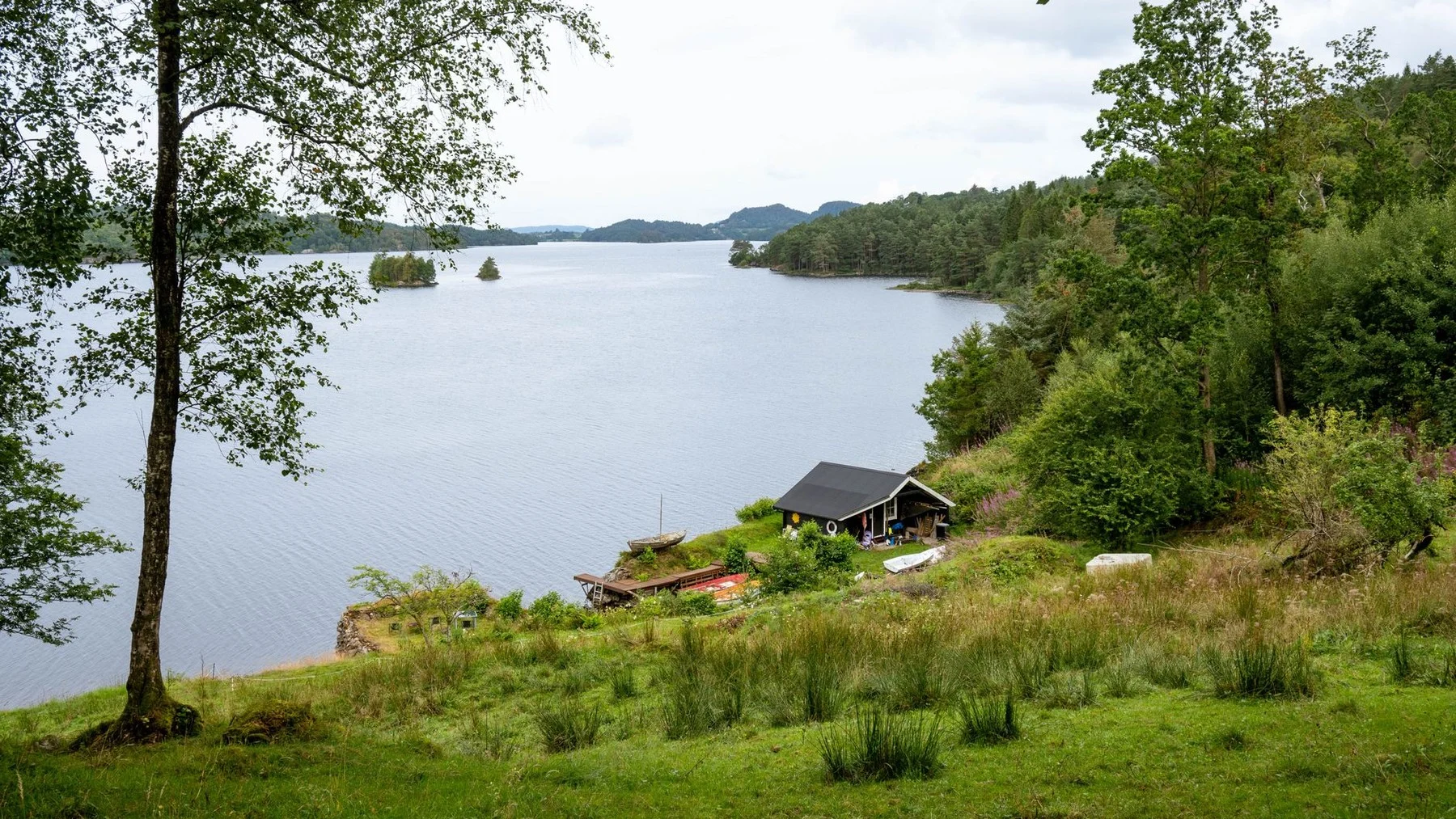
This landscape isn’t solely marked by low population figures; rather, it is characterized by an uneven distribution of people and land. According to Nordregio’s State of the Nordic Region report from 2026, 70 percent of the population resides in urban zones, with a modest 9 percent living in rural or sparsely populated areas. This demographic concentration allows travel companies to package not complete silence, but access to vast, peaceful landscapes just a short distance from bustling urban life. Norway’s rugged fjords and plateaus, Sweden’s expansive forests and lakes, and Finland’s serene lakeside cabins all provide a retreat into quieter realms away from the city’s din.
Denmark, however, serves as an important counterpoint. With its compact, densely populated areas, cities like Copenhagen, Stockholm, Oslo, Helsinki, and Reykjavík can become crowded, while popular natural sites may be saturated during peak seasons. The regional advantage lies in variety, offering travelers a spectrum of choices rather than a one-size-fits-all guarantee.
The Sounds of Nature: Far from Silence
A true quietcation is rarely devoid of sound. Picture the gentle rustle of leaves in a pine forest, the splash of water against a kayak, or the whispers of wind through grass. Instead of an acoustic void, what many travelers yearn for is an altered auditory landscape. The mechanical clatter of daily life fades, allowing nature’s symphony—rain, wind, and wildlife—to take center stage. This distinction is key; destinations can more reliably promise a reprieve from traffic than an absolute silence.
Nordic tourism boards are integrating this notion into their marketing. For example, Visit Norway has introduced a guide focused on quietcations, where experiences such as kayaking and exploring remote islands highlight how natural sounds enrich rather than detract from the experience.
Each Nordic Landscape Offers Its Own Unique Version
Norway presents the most striking imagery for quietcations, with cabins perched beside fjords, plateaus beyond treelines, or villages that seem to halt just shy of mainstream accessibility. The country’s longstanding hyttetur tradition—an annual retreat to cabins—imbues these experiences with structure and community, transforming simple getaways into rich cultural experiences.
In Sweden, travelers are greeted with extensive forests, countless lakes, and archipelagos that invite them to stray beyond crowded ports. The Right of Public Access allows individuals to roam freely across much of the countryside, amplifying the significance of unprogrammed exploration. In Finland, the synergy of forest, lake, cottage, and sauna creates a more relaxed atmosphere, where silence need not be filled with conversation. This past March, Visit Finland pitched a 2026 Lakeland escape centered around leisurely forest walks, sauna sessions, and uninhibited days spent by the water—marketing that highlights an environment where tranquility is the main attraction.
Iceland, too, boasts geographical isolation, especially far from its popular south-western hotspots. Yet this reality also challenges the very notion of “quiet”; the relentless winds and surf are intrinsic to the island’s character. While Denmark may lack the expansive wilderness of its neighbors, its smaller islands and coastal dunes provide calming retreats easily accessible from urban centers.
The most satisfying trip might meld these diverse offerings together. Spending a few nights in a minimalist, nature-infused cabin could yield greater solace than a highly structured wellness retreat. For instance, Scandinavia Standard’s feature on Finland’s Nolla cabins epitomizes this appeal, showcasing intimate living spaces infused with natural surroundings that elevate simplicity into an art form.
Nature as an Accessible Sanctuary, Even When Privacy Comes at a Price
Labeling silence as a luxury may risk implying that quietude is the sole preserve of those willing to pay for a lavish glass cabin equipped with a private sauna. However, the Nordic tradition of access complicates this narrative. Thanks to Sweden’s Right of Public Access, outdoor enthusiasts can wander, cycle, paddle, and camp across vast swathes of the countryside—provided they respect local homes and adhere to grassroots regulations. Similar principles apply in Finland and Norway, although with some variations that visitors ought to familiarize themselves with.
Consequently, nature does not always exist behind a paywall. What high-end properties offer is certainty and convenience—private use, soundproofing, warmth, meals, and unspoiled views, perhaps even transportation through rugged terrain. While travelers on a budget can enjoy tranquility through hiking or camping, this often necessitates greater personal responsibility and preparedness.
This distinction is crucial. The luxury associated with quiet doesn’t stem from mere access to nature; rather, it pertains to the ability to control one’s experience free from interruption, as well as the assurance that logistical aspects—transportation, shelter, food—are taken care of. In many ways, quiet becomes a hallmark of premium hospitality, much like a private pool or late checkout once did.
The Sales Pitch Risks Undermining Its Own Promise
A truly tranquil destination has inherent limits. When a particular cabin, overlook, or island becomes a viral sensation, the peace it offers is often compromised. Increased traffic, holiday rentals, and seasonal demands can burden communities that once thrived on their serene charms.
The Nordic Tourism Plan for 2025-2030 grapples with these contradictions. It advocates for sustainable management during peak seasons, mindful conservation of landscapes, and consideration for residents’ interests, all while promoting responsible marketing. While quiet travel can potentially advance this agenda by encouraging visits during off-peak times and dispersing demand, it risks undermining its own goals if every campaign funnels visitors to the same idyllic locales.
It’s also essential to acknowledge that remote lands are not void of people. The Sápmi region, encompassing northern Norway, Sweden, Finland, and parts of Russia, is a living Indigenous homeland where reindeer herding and local traditions continue to thrive amidst landscapes often misinterpreted as empty wilderness. Noise is not the only intrusion here; straying from marked paths, flying drones, or lingering close to homes and livestock can disrupt these delicate ecosystems without generating much sound.
Reputable quietcation providers should clarify these nuances in advance. Featuring small groups, existing structures, local vendors, and clear seasonal guidelines sustains the promise of serenity far more than constructing large complexes that rely on an appearance of solitude for appeal.
Booking Quiet: Prioritizing Sound Over Aesthetic
When searching for a quietcation, start by focusing on the soundscape rather than just the visuals. Inquire about the proximity of major thoroughfares, whether heating relies on generators, and whether the property is near active waterways or construction sites. A seemingly isolated cabin might stand just inches from a bustling harbor or flight path.
Opt for a single location and allow time for the environment to shift around you. Rushing through several remote spots in a matter of days can recreate the very stress you aim to escape. Consider traveling during shoulder seasons for added space, but be sure to check for daylight hours, trail conditions, ferry schedules, and seasonal closures, as some locales may be quiet precisely because shops, cafés, and other services are closed.
Make sure to download maps, access rules, and emergency contacts before disconnecting from your mobile devices. Inform someone of your plans, dress for a variety of weather conditions, and keep your phone charged for safety. Disconnecting digitally should alleviate unnecessary inputs, not render you devoid of essential information.
Above all, show respect. Understand where access rights apply, and avoid treating nature as a playground. Abundant wilderness does not negate private property rights or local regulations; even Sweden’s incredible tally of 267,570 islands is not an invitation to treat them as one’s personal playground.
A New Definition of Luxury: What’s Left Untouched
The quietcation resonates in 2026 because it flips the script on traditional tourism; instead of measuring value by an ever-growing list of inclusions, it elevates unallocated time, privacy, and a tranquil soundscape as prized amenities. The Nordic region boasts ample physical resources and cultural traditions that lend depth to this idea, offering more than a still room amidst a chaotic itinerary.
Indeed, the most profound Nordic quietude is not simply an absence of noise. It’s characterized by the gentle splash of waves, the rustle of leaves in the breeze, the warm crackle of a stove, and perhaps the distant passage of a single ferry. What often vanishes is the urgency to respond, perform, or rush onward.
If the industry can successfully market access without drowning these serene spaces in foot traffic, respect the communities that inhabit them, and resist the temptation to turn every secluded spot into content for consumption, then quiet may remain an extraordinary luxury. Its true value will lie not in the enhancements that tourism brings but in what visitors can finally hear when the world has been allowed to retreat.
