

Copenhagen Tops Global Liveability Rankings for the Second Year
Published on July 21, 2026
In a remarkable display of urban excellence, Copenhagen has once again claimed the prestigious title of the world’s most livable city, outperforming notable rivals such as Vienna, Melbourne, and Tokyo. According to the latest assessment from the Economist Intelligence Unit (EIU), the Danish capital’s winning blend of safety, robust healthcare services, top-tier education, efficient infrastructure, and high quality of life has solidified its position at the forefront of global liveability for the second consecutive year.
The EIU evaluated over 170 cities, scrutinizing criteria ranging from stability and culture to the environment and infrastructure. Copenhagen’s unrivaled performance speaks volumes about its allure for residents and long-term travelers alike, demonstrating that it is not merely a destination for tourists but a city rich with opportunities for a lasting future.
Changing Dynamics of Global Mobility
As the summer travel season erupts with millions venturing to explore the world’s most enchanting locales, there is a noticeable shift in mindset. Increasingly, travelers are keen on finding places where they might consider building a more permanent life, rather than just indulging in fleeting vacations. The Migration Policy Institute reports that around 304 million people—or approximately 3.7% of the global population—currently reside outside of their birth countries, fueling a growing interest in cities that not only boast beauty but also offer a solid foundation for living.
With liveability becoming a pivotal factor in relocation choices, the emphasis has shifted toward elements like safety, healthcare, educational quality, and efficient public transport. As people seek environments where they can flourish, cities that excel in these areas are becoming increasingly appealing.
Copenhagen’s Winning Formula
Copenhagen has once more emerged as the gold standard, with its exceptional scores in a range of categories highlighted in the EIU report. The city’s triumph is grounded in its perfect scores for stability, infrastructure, and educational quality, illustrating its status as a well-managed urban hub. Renowned for its efficient public transport, safe neighborhoods, and environmentally conscious urban planning, Copenhagen excels in delivering a harmonious living experience.
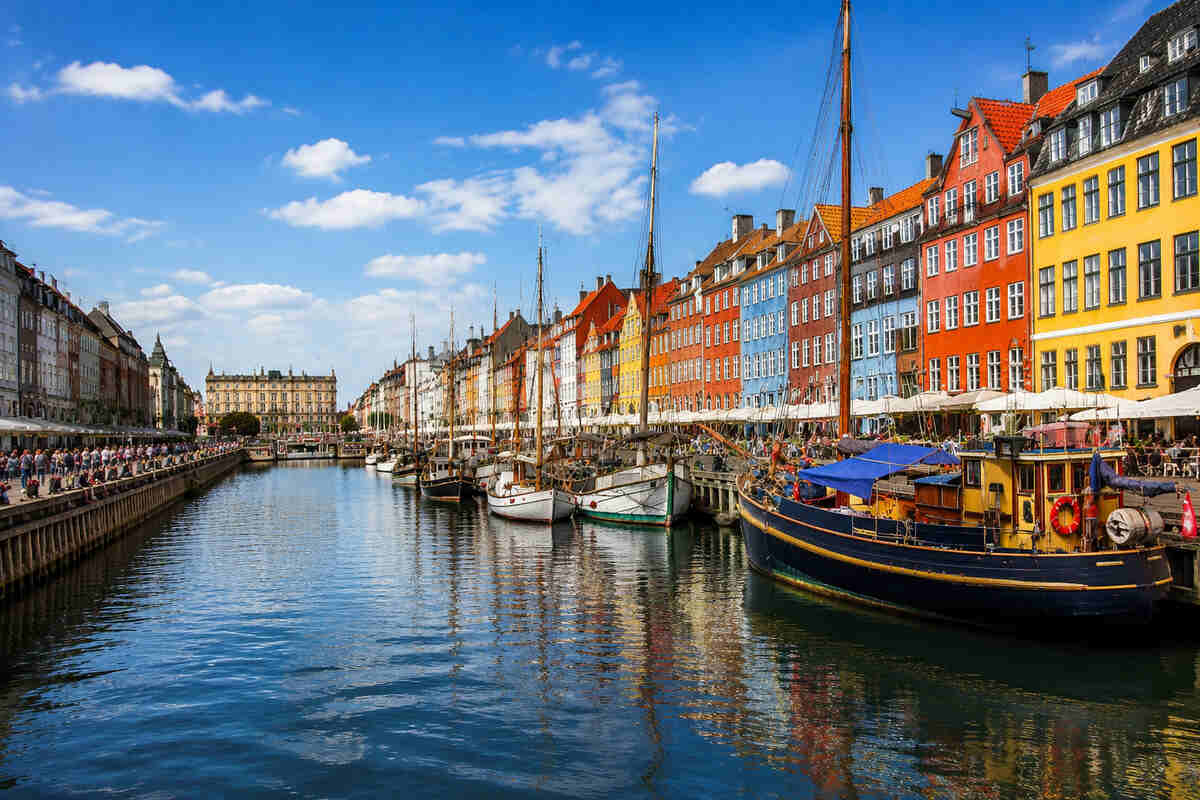
Yet, this city is more than just its practicalities; it thrives on a vibrant cultural scene. From historic architecture and scenic waterfronts to a rich array of museums and dining options, the cultural fabric of Copenhagen enhances its appeal to both residents and international visitors.
European Cities Lead the Charge
While Copenhagen enjoys its top-tier status, it is flanked by other European powerhouses that also delivered exceptional results. Vienna, Austria, claimed the second spot, underscoring its reputation as a bastion of quality living. The full roster of the ten most livable cities paints a landscape dominated by European and Australian cities, with notable mentions from Japan and Canada:
- Copenhagen, Denmark
- Vienna, Austria
- Melbourne, Australia
- Sydney, Australia
- Zurich, Switzerland
- Geneva, Switzerland
- Osaka, Japan
- Adelaide, Australia
- Vancouver, Canada
- Tokyo, Japan
These results showcase a consistent performance from Europe, Australia, Japan, and Canada, driven by dependable public systems, high healthcare quality, and a rich array of cultural offerings. Australia proudly secured three positions within the top ten, while Switzerland carved out two slots and Japan continued its strong showing with both Osaka and Tokyo making the cut.
Honolulu: America’s Top Contender
Despite the global focus, Honolulu, Hawaii, emerged as the highest-ranked U.S. city, securing 25th place overall. Known for its stunning natural beauty and unique lifestyle, Honolulu’s position reflects its appeal but notes a slight drop from previous rankings.
Meanwhile, New York City has made strides in the latest rankings, climbing to 66th place, buoyed by improvements in stability—a reflection of the city’s ongoing evolution amidst challenges such as population density and housing costs.
The Methodology Behind the Rankings
The EIU employs a rigorous evaluation process to determine its liveability scores, considering factors that significantly impact daily life across five main categories: stability, healthcare, culture and environment, education, and infrastructure. Each of these areas plays a critical role in shaping the overall ranking, with stability and cultural offerings receiving considerable weight.
A European Stronghold
The rankings reaffirm Europe’s dominance as the most livable region globally, with Western Europe achieving an impressive average score of 91.7. North America follows not far behind, reflecting high living standards and effective public systems.
As cities strive to enhance their liveability credentials, the interplay of safety, healthcare, and infrastructure becomes paramount. Successful urban environments are thus those that weave together economic opportunity with quality of life—an approach that Copenhagen exemplifies so well.
The Future of Urban Living
As the competition for residence, entrepreneurship, and innovation intensifies among the world’s leading cities, liveability has become a crucial factor in attracting not just visitors but also long-term inhabitants. Copenhagen’s repeat victory highlights a multifaceted model of success that prioritizes stability, sustainability, and quality public services.
In a world where global migration rates continue to rise, the cities that harmoniously blend culture and infrastructure with innovative public services will capture the hearts and minds of tomorrow’s global citizens. As Copenhagen shines as a beacon of livability, it sets the stage for others to aspire to its exceptional standards, proving that a city can indeed be a nurturing home for its people.
