

Safety Index:
* Based on Research & Crime Data
User Sentiment:
* Rated 86 / 100 based on 7 user reviews.
Aalborg, situated in the serene northern reaches of Denmark along the picturesque Limfjord strait, may not boast the fame of Copenhagen or Aarhus, yet it captures the hearts of visitors with its laid-back Scandinavian vibe. This charming city is an unexpected treasure trove, brimming with colorful waterfront streets, layers of Viking history, and a lively university scene.
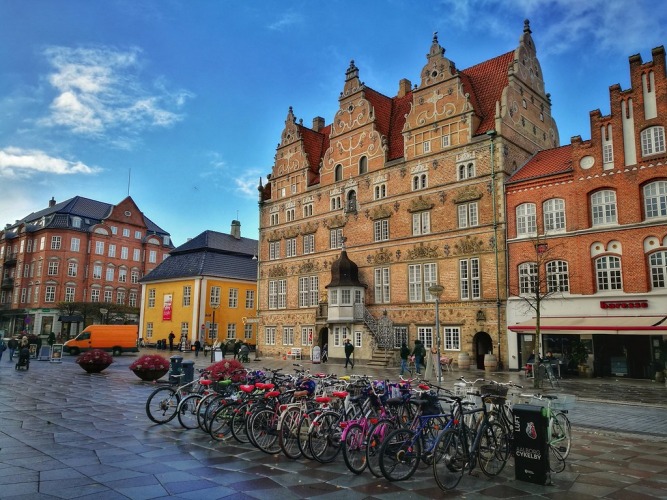
Once a bustling industrial port, Aalborg has transformed into a cultural beacon, renowned for its revitalized harborfront, vibrant cafes, and remarkable historic architecture. Visitors flock here to delve into its diverse museums, meander through its medieval streets, and take in breathtaking views along the fjord. Moreover, Aalborg serves as a splendid gateway to the idyllic beaches and lush nature areas of North Jutland.
Denmark’s stellar reputation for safety holds true in Aalborg, which generally reflects the nation’s commitment to public security. However, as with any travel destination, it’s wise for tourists to familiarize themselves with local risks, identify areas best avoided after dark, and heed basic safety guidelines to ensure an enjoyable visit.
Warnings & Dangers in Aalborg
OVERALL RISK: LOW
Aalborg is widely regarded as a secure destination for travelers. With Denmark consistently ranked as one of the safest countries in the world, the city boasts low crime rates and robust public services. While violent crime is a rarity, minor theft and occasional disturbances related to nightlife may be encountered by the unwary.
TRANSPORT & TAXIS RISK: LOW
The public transportation network in Aalborg is both safe and reliable, with frequent bus services connecting key neighborhoods, the university, and the airport. Taxis operate under regulation and use official meters, reducing any risk of overcharging. Cycling is immensely popular, and the city’s bike lanes are extensive, although travelers should remain attentive to cyclists when crossing streets.
PICKPOCKETS RISK: LOW
While pickpocketing is not a common concern in Aalborg, minor theft can still occur in crowded locales, notably in nightlife hubs, at festivals, or busy bus stops. The bustling Jomfru Ane Gade, famous for its vibrant bar scene, can be a hotspot for opportunistic theft, particularly late at night.
NATURAL DISASTERS RISK: LOW
Denmark is fortunate to experience minimal natural disasters. Aalborg is free from the threat of earthquakes, hurricanes, or significant flooding. The most frequently encountered weather issue is strong coastal winds during winter storms. While heavy rain or icy conditions can lead to slippery roads occasionally, such challenges seldom pose a serious threat to visitors.
MUGGING RISK: LOW
Muggings and violent robberies are very rare occurrences in Aalborg. The city’s effective policing and strong social safety net foster an environment of relative peace, even post-sunset. Caution is advisable in nightlife districts late at night, as alcohol-fueled disputes may occasionally arise.
TERRORISM RISK: LOW
Denmark is vigilant, employing robust security measures and intelligence efforts. Aalborg has not been the site of any significant terrorist incidents. While global risks cannot be entirely ignored, Aalborg is deemed a low-risk area in this regard, with a palpable security presence at major events and transport hubs.
SCAMS RISK: LOW
Tourist scams are not a common sight in Aalborg, unlike larger cities which often attract organized schemes targeting visitors. Most transactions are transparent and digital payments are prevalent. However, it is wise to remain cautious of unofficial taxi offers outside nightlife venues, though such instances are rare.
WOMEN TRAVELERS RISK: LOW
Aalborg is widely considered a safe haven for women traveling solo, with Denmark highly ranked in terms of gender equality and public safety. Women frequently walk, bike, and use public transport at night without any issues. Nonetheless, basic awareness of one’s surroundings is advised, particularly in intoxicated crowds during late hours.
TAP WATER RISK: LOW
The tap water in Aalborg is exceptionally safe to drink, meeting stringent Danish and European Union standards. Locals enjoy drinking it regularly, and visitors can confidently fill their water bottles in hotels, restaurants, and public facilities.
Safest Places to Visit in Aalborg
Aalborg offers numerous inviting areas for visitors to explore while immersing themselves in the city’s rich history and vibrant culture. The revitalized Aalborg Waterfront stands out as a safe and popular destination, featuring modern architecture, inviting walking paths, and lively cultural spots. This well-lit area is frequently patrolled, making it an ideal choice for evening strolls along the Limfjord.
Another must-see is Aalborg’s Old Town, where historic streets such as Algade and Gravensgade are lined with charming buildings, boutique shops, and restaurants. This picturesque area is bustling with both locals and tourists during daylight hours, radiating a peaceful atmosphere.
History enthusiasts should not miss Aalborg Castle (Aalborghus Slot) and Budolfi Cathedral, both situated in the city center, offering glimpses into the region’s storied past. The Utzon Center, a tribute to the visionary Danish architect of the Sydney Opera House, deserves a visit as well. Nestled on the waterfront, this museum blends modernity with safety in its pristine surroundings.
For a tranquil nature retreat, Kildeparken, a lovely green space near the heart of the city, is popular for leisurely walks, relaxation, and art sculptures celebrating musicians with ties to Aalborg. Families and solo travelers can also enjoy the nearby Aalborg Zoo, easily accessible by public transport, offering a serene escape from the urban environment.
In summary, the central districts, waterfront areas, and prominent tourist attractions in Aalborg are all deemed secure and welcoming for travelers.
Places to Avoid in Aalborg
While Aalborg is not known for dangerous neighborhoods like some larger international cities, there are areas where travelers might prefer to exercise extra caution—particularly after dark. The most notable of these is Jomfru Ane Gade, affectionately known as “The Street.” This famous nightlife district brims with bars and clubs, creating a vibrant atmosphere. However, it’s essential to remain vigilant late at night when chaos can occasionally ensue, especially on weekends, leading to alcohol-fueled disputes or petty theft.
Certain outer residential neighborhoods, such as Aalborg East (Aalborg Øst), have been a topic of discussion regarding social issues and youth crime, though they are generally safe during the day. These areas are not typical tourist destinations, so there’s little incentive for visitors to wander there late at night.
The industrial zones along the less-developed portions of the port may feel isolated after dark. They are not unsafe per se but lack the lighting and vibrancy of the city center. As with most cities, train and bus stations can attract intoxicated individuals or minor disturbances late at night. While Aalborg’s main station is typically safe, maintaining awareness of one’s surroundings is still advisable.
In essence, Aalborg’s risk levels are comparatively low, mainly linked to nightlife dynamics rather than serious crime.
Safety Tips for Traveling to Aalborg
- Stay alert in nightlife districts. Jomfru Ane Gade can transform into a bustling hub, particularly on weekends. If you plan to indulge in the nightlife, ensure your belongings are secure and avoid excessive drinking, which could make you susceptible to petty theft.
- Opt for regulated taxis or ride services. Aalborg taxis are well-regulated and reliable. Always choose licensed taxis that use meters or book through trusted apps; avoid informal rides from individuals outside bars or nightlife hotspots.
- Be mindful of cyclists. Biking is a beloved mode of transportation in Denmark, with extensive bike lanes throughout Aalborg. Tourists unfamiliar with local traffic should exercise caution when crossing bike paths.
- Dress appropriately for the weather. Northern Denmark is known for its unpredictable weather changes. Winds from the Limfjord can make the temperatures feel colder than they are, so pack a waterproof jacket and warm layers, especially during autumn and winter.
- Keep valuables secure in busy areas. Although instances of pickpocketing are rare, they can occur at crowded events such as festivals or concerts. Utilizing a secure bag and avoiding leaving personal items within easy reach is a wise precaution.
- Respect local laws and customs. Denmark enforces strict regulations regarding public behavior, particularly concerning alcohol and disorderly conduct. Adhering to local norms will help you steer clear of unnecessary complications.
- Stick to well-lit streets at night. While the city center is well illuminated, if you’re heading back to your accommodation late at night, it’s best to stick to main thoroughfares rather than quiet alleyways.
- Save emergency numbers. Denmark uses the universal European emergency number 112 for police, ambulance, and fire services. Memorizing or storing this number in your phone is advisable before traveling.
- Secure bicycles properly. If you rent a bike, ensure you lock it securely when it’s unattended; bicycle theft, while infrequent, can happen, particularly near transport hubs.
- Consider travel insurance. Investing in travel insurance is a prudent choice when visiting Aalborg. Denmark’s healthcare system is exceptional, but medical services can quickly become costly for those without coverage. Insurance can also safeguard against flight cancellations, lost luggage, and unexpected travel disruptions, granting peace of mind during your journey.
So… How Safe Is Aalborg Really?
All things considered, Aalborg stands out as one of Europe’s safest travel destinations. Denmark regularly ranks among the top countries for safety, transparency, and quality of life, boasting low crime rates and infrequent serious incidents involving tourists. Most reported crimes relate to petty theft and disturbances linked to nightlife, especially in areas like Jomfru Ane Gade.
Violent crime remains exceptionally low compared to many international counterparts, and a visible police presence coupled with prompt emergency service responses instills further confidence. Aalborg benefits from well-maintained infrastructure, clean streets, and a high level of public trust. Residents often stroll or bike at night without apprehension, and visitors frequently comment on the city’s relaxed atmosphere.
Aalborg’s safety can also be attributed to Denmark’s social stability, characterized by low poverty levels, effective law enforcement, and strong social programs that foster a secure environment. For travelers, the most significant risks usually revolve around nightlife dynamics, slippery winter conditions, or minor petty theft in bustling areas—concerns that can be easily managed with basic precautions.
In short, Aalborg offers a safe and inviting atmosphere where visitors can enjoy historical streets, stunning waterfront views, and authentic Danish culture with peace of mind.
How Does Aalborg Compare?
Useful Information
Visas
Travelers from the United States, Canada, the United Kingdom, and various other countries can stay in Denmark for up to 90 days without a visa under the Schengen agreement. Ensure your passport is valid for at least three months beyond your departure date. For longer stays or work permits, additional applications through Danish immigration authorities will be necessary.
Currency
Denmark operates with the Danish Krone (DKK). Credit cards and mobile payment methods are universally accepted across Aalborg, even for minor transactions. Currency exchange services are available at banks and exchange offices, though international debit or credit cards generally yield the most favorable rates.
Weather
Aalborg experiences a temperate coastal climate, featuring cool summers and chilly winters. Summer temperatures typically range from 15 to 21°C (60 to 70°F), while winter often lingers around freezing. Be prepared for brisk winds from the Limfjord, so layering and a windproof jacket are advisable, particularly in autumn and winter.
Airports
Aalborg Airport is conveniently located approximately 6 kilometers northwest of the city center. It ranks among Denmark’s busiest regional airports, offering domestic and European flights. Travelers can reach downtown Aalborg in roughly 15 minutes by taxi, bus, or rental car.
Travel Insurance
Travel insurance is highly recommended for visitors to Aalborg. While Denmark boasts an excellent healthcare system, medical care can be costly for those lacking coverage. Insurance also protects against flight cancellations, lost luggage, and other travel disruptions, providing reassurance throughout your trip.
Aalborg Weather Averages (Temperatures)
Average High/Low Temperature
| Temperature / Month | Jan | Feb | Mar | Apr | May | Jun | Jul | Aug | Sep | Oct | Nov | Dec |
|---|---|---|---|---|---|---|---|---|---|---|---|---|
| High °C |
2 | 3 | 6 | 9 | 14 | 18 | 20 | 19 | 16 | 11 | 6 | 3 |
| Low °C |
-2 | -2 | 1 | 2 | 6 | 10 | 12 | 11 | 9 | 5 | 2 | -1 |
| High °F |
36 | 37 | 43 | 48 | 57 | 64 | 68 | 66 | 61 | 52 | 43 | 37 |
| Low °F |
28 | 28 | 34 | 36 | 43 | 50 | 54 | 52 | 48 | 41 | 36 | 30 |
