

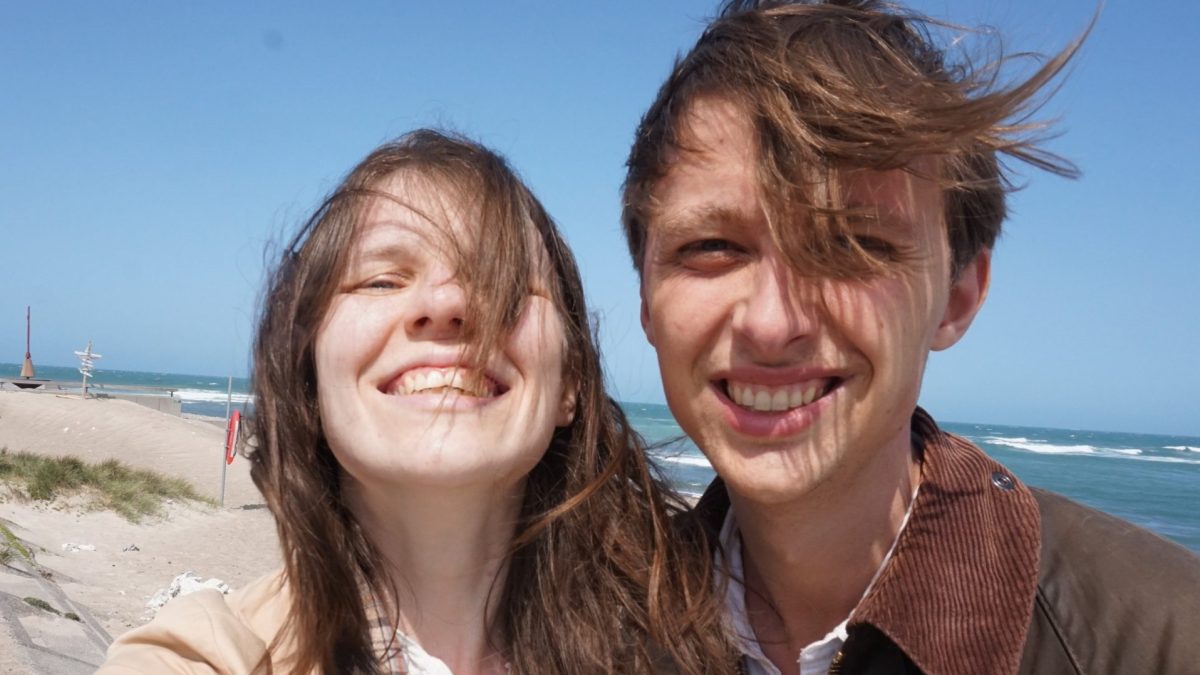
July marks the height of tourist season in Copenhagen, a time when the city welcomes an influx of visitors. Traditionally, this is also when many Danes escape the urban bustle, retreating to cottages, beach huts, or seaside hotels. It’s their opportunity to unwind and embrace a more leisurely pace during the annual summer break.
One of the most cherished getaways is the northwestern tip of the Jutland peninsula, particularly Thy National Park. I find myself drawn back to this idyllic corner of Denmark year after year, returning to my husband’s family home and reveling in the tranquil beauty of the landscape. We usually arrive just in time for Midsummer’s Eve, known locally as Saint Hans, when bonfires light up the night and songs fill the air, a joyous heralding of summer.
The Danish scenery is gentle on the eyes—widely recognized for its flatness, but in Thy, the landscape transforms dramatically. Rolling farmlands and heath fade into the wild dunes and beaches of the North Sea, punctuated by inland fjords that add to the mystique.
This rugged area is not just captivating to the human eye; it’s also a sanctuary for wildlife. Breeding cranes, once mere whispers in the population, now thrive here, with numbers surging from just a handful to over 100 pairs in the last fifty years. The heathland is home to hundreds of wild red deer, and if you’re lucky, you might catch sight of waterfowl, harbor seals, and otters frolicking in the waters.
Hiking is perhaps the best way to soak in this landscape, and one of my favorite routes is the “Redningsvejen,” which follows the historic Rescue Road, initially used for lifeboats. This coastal path stretches for about 50 kilometers from Agger to Hanstholm, constantly refreshed by the invigorating salty breeze of the North Sea, where temperatures rarely climb above the mid-20s Celsius.
As you traverse this path, you’ll come across Nørre Vorupør, a lively fishing town where pastel blue boats rest on the shore. Their catch can be savored just a street away at local fishmongers and smokehouses, or in charming eateries like Bistro 123, located in one of the seaside bathing hotels. Yet, the tantalizing aroma of Neapolitan-style pizza wafting from Thypisk is equally hard to resist; what began as simple gatherings with friends and a pizza oven has blossomed into a beloved community hub.
Interestingly, Klitmøller isn’t just a seasonal retreat; it has begun to attract a growing number of young Danes and expatriates wishing to settle down in this part of Jutland, drawn by its strong sense of community and unspoiled nature. Over the past decade, the village’s population has surged by 20%, a striking contrast to the decline seen across much of rural Denmark.
During the decade I’ve been visiting, the local scene has evolved. Events, food, and drink have taken on a youthful vibrancy, blending old traditions with fresh ideas.
Cold-water swimming has become a national pastime, and the wild, sandy beaches along the North Sea, like those in Klitmøller, present some of the most exhilarating venues for a dip. After a bracing swim, I love to warm up at Haandpluk, a cozy spot that serves coffee, beer, and tasty bar snacks. Once a garage, it’s now brightened by white walls and chalkboards, with inviting outdoor seating.
Another standout experience can be found at SMK Thy, a contemporary gallery situated in a repurposed grain silo along the shores of the Limfjord. As an offshoot of the Danish State Museum for Art, it offers breathtaking views of Thy National Park from its rooftop.
This summer’s main exhibition highlights landscapes, showcasing paintings that depict everything from oxen harvesting beets to pastoral shepherds amid singing vegetables. Nestled among sand-blown streets and dunes, the artworks evoke an emotional response that might be hard to replicate in the hustle and bustle of Copenhagen.
What’s more, SMK’s café proudly features a menu sourced from local farms, fishermen, and beverage producers; everything is fresh and bursting with flavor. Though the menu shifts with the seasons, regular favorites like smoked fish, raspberry shortbread, and fresh salads never fail to delight.
Among the most unexpected treats is the local Thy whiskey produced at Gyrup Farm, a family-run establishment that has been thriving for over 300 years. For the past three summers, it has played host to a whiskey festival that draws around 500 attendees, all eager to sample tastings, food truck offerings, bonfires, and live music that lingers late into the night amid the whimsy of barn cats and a resident dog.
This event encapsulates the essence of summer in Denmark—cultivating a spirit of relaxation and a slower pace of life. After a week in Thy, the scent of salt and bonfires clings to my hair, a memory my husband refers to as the essence of a Jutland summer—one I eagerly anticipate returning to each year.
How to get there
Thy National Park is easily accessible from Aalborg or Billund airports, with trains from Billund to Thisted taking just over three hours.
Where to stay
Stenbjerg Kro is a charming seaside hotel offering en-suite rooms and cozy cabins, with breakfast featuring local delights like Danish Vesterhavsost—North Sea cheese—and sea buckthorn. Rates start at £125 for a double with breakfast.
More information
eng.nationalparkthy.dk
