

Editor’s Note: Sign up for Unlocking the World, CNN Travel’s weekly newsletter, to stay updated on the latest in aviation, food and drink, accommodations, and other exciting travel developments.
CNN
—
This past summer, the surge of American tourists flooding Europe’s favorite summer destinations—from the picturesque French Riviera to the idyllic Greek islands—was nothing short of remarkable. As we head into the remainder of the summer, Europe can expect an even greater influx of travelers eager to explore its charms.
According to analysis from travel insurance provider Allianz Partners, American arrivals in Europe this summer are projected to exceed last year’s figures by 55%. It’s palpable—you can feel the crush of summer crowds even if you’re just trying to grab a scoop of Instagram-worthy gelato or tour the Vatican.
“Last year felt chaotic; this year is even more packed. Popular cities are overwhelmed with bookings,” remarked Tania Swasbrook, co-founder of luxury travel consultancy Vgari Lifestyle, in an email to CNN Travel.
To help clients avoid the overcrowded hot spots, Swasbrook suggests exploring “parallel countries” offering similar beauty and experiences but without the bustling American crowds.
“Want to experience the charm of Tuscany? If it’s too crowded and expensive, consider Slovenia instead,” she advised. “If Split in Croatia has captured your heart, take a scenic drive to the less-traveled Trogir.”
Similarly, Jack Ezon, founder of EMBARK Beyond travel agency, advises clients to think outside the box this summer.
“Our enduring love for Mediterranean hotspots like Italy and France persists, but we’re urging clients to consider new destinations,” Ezon explained. “These famous locations are not only overpriced but also inundated with Americans this year, diminishing the international vibe you typically savor in the Mediterranean.”
Ezon suggests venturing to the Italian island of Pantelleria and staying at the luxury hotel Sikelia to escape the crowded scenes found in Sicily. He also highlights the Greek island of Paros, which offers an allure that far surpasses that of Mykonos.
“Paros remains under the radar for many Americans, but it pulses with a stylish Euro-crowd, boasting chic boutiques, trendy lounges, and vibrant restaurants frequented by locals,” Ezon shared.
Curious about less-crowded locales in Italy, Spain, France, Portugal, and Croatia? CNN Travel reached out to travel agents, experts, and locals to uncover hidden gems where travelers can retreat from the bustling summer crowds.
North Jutland, Denmark
While southern Europe swells with visitors in summer, a heatwave can render certain destinations uncomfortable; recently, temperatures in Seville soared beyond 110°F (43.3°C). If you’ve never envisioned a beach vacation in Denmark, now might be the time to reconsider.
Known as “Cold Hawaii,” North Jutland entices with its dune-fringed coastline, quaint fishing villages, and surf culture, especially in coastal towns like Agger and Hanstholm.
“In the ’90s, surfers flocked to the area, bringing in entrepreneurs, artists, and top chefs who gravitated away from bustling cities, opting instead for the slow-paced lifestyle of traditional fishing villages,” notes Mads Østergaard of VisitDenmark. The region even boasts a couple of Michelin-starred eateries—Tri and Villa Vest.
New seasonal direct flights from Newark to Aalborg on SAS have made this captivating region more accessible than ever.
St. Moritz, Switzerland
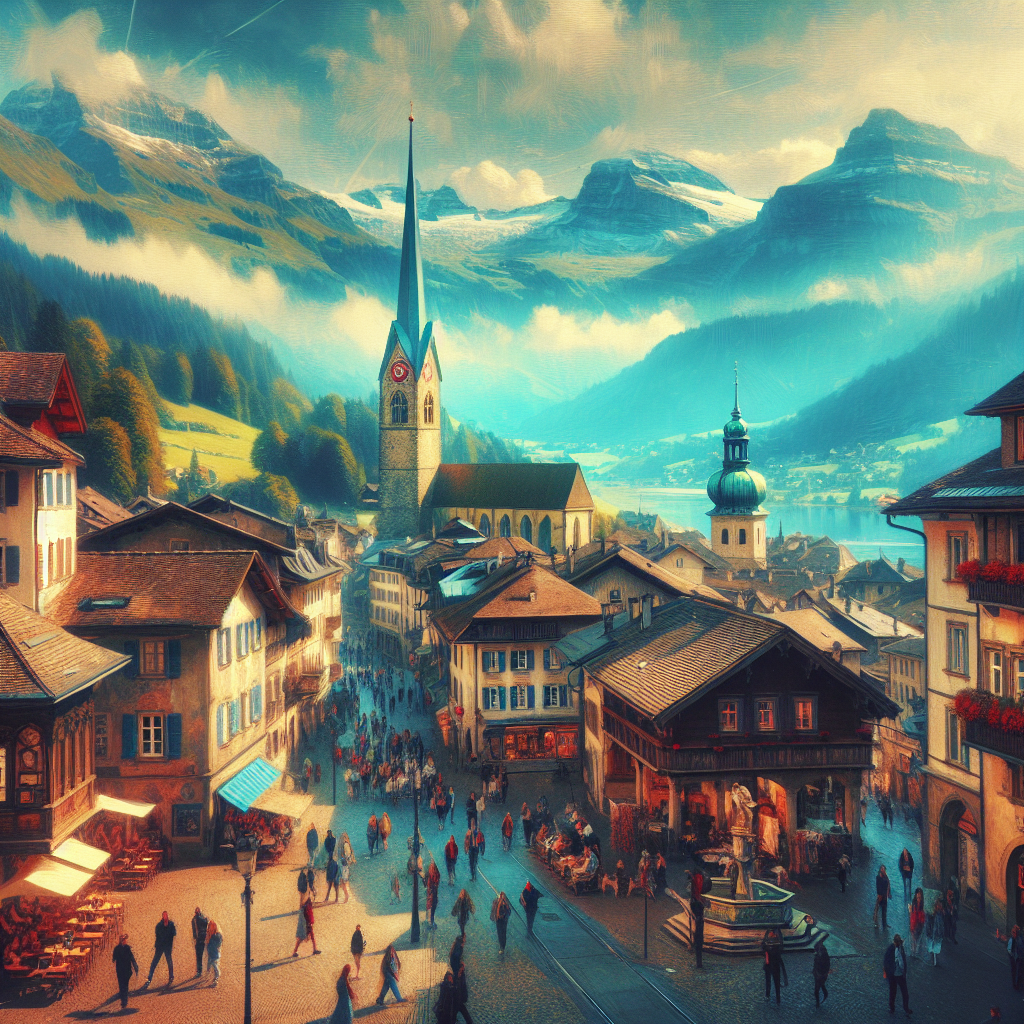
Just a two-hour drive from the bustling Lake Como in Italy, the glamorous Swiss town of St. Moritz offers a serene lakeside escape during the summer months.
“We adore St. Moritz in summer; Badrutt’s Palace is akin to the Du Cap of the mountains,” remarked Ezon, drawing a comparison between this luxurious Swiss hotel and the famed Hotel du Cap-Eden-Roc on the French Riviera.
“Most of the glitterati flock to St. Moritz in winter, but during summer, you can swap skiing the Swiss Alps for kayaking, swimming, and windsurfing on the town’s stunning emerald lake,” he continued.
Outdoor adventures abound in the area—white-water rafting, hiking, and mountain biking—alongside mostly European fellow travelers rather than the typical American crowds.
Beyond the glittering Côte d’Azur with its yacht-filled waters and famous towns like St. Tropez, Nice, and Cannes, southern France offers far more.
Marianne Fabre-Lanvin, co-founder of organic French wine brand Souleil Vin de Bonté, recommends the Camargue—a wild region filled with expansive, empty beaches where white horses roam—as a tranquil escape east of Montpellier. From rustic farm stays at traditional bull or horse ranches to luxurious boutique hotels like Le Mas de Peint, there’s something for everyone.
“The Camargue isn’t crowded. You can find sprawling beaches, often all to yourself, even in peak summer,” says Fabre-Lanvin, who names La Plage de l’Espiguette as a favorite spot. During the summer, a sustainable beach club, L’Oyat Plage, also appears on the sand, attracting the kitesurfing crowd.
When Arlindo Serrão craves a coastal getaway in Portugal, away from the throngs at popular cities and beaches, he retreats to the Alentejo region.
“People are starting to label Alentejo ‘Europe’s best-kept secret,’ but I wonder how long that will last,” said Serrão, founder of Portugal Dive.
Alentejo boasts long stretches of unspoiled coastline and delectable wine and seafood, all without the crowds that flock to the Algarve’s better-known beaches.
Along the coastline just south of the Tróia Peninsula, you’ll find nearly 28 miles of beach, with Comporta and Melides standing out as “the perfect places to unwind,” according to Serrão.
For an idyllic stay, consider Sublime Comporta, where rooms, suites, and villas are enveloped by towering wild dunes and the scent of pine and cork trees.
Besides its stunning beaches, the region is Portugal’s largest wine producer and boasts the most well-marked hiking trails in the country.
“To me, it’s a peaceful place on a raw part of Portugal,” explains Serrão.
For a different experience, trade the crowded streets of Dubrovnik for the lesser-known beauty of Montenegro.
“Montenegro may be lesser-known than Croatia, but it offers stunning coastlines, dramatic mountains, and crystal-clear waters,” asserts Dolev Azaria, founder of New York-based Azaria Travel.
Just a two-hour drive from Dubrovnik lies Kotor, a picturesque coastal town nestled in a fjord-like formation that features mountains interspersed with inviting bays and coves, perfect for a refreshing dip.
The Bay of Kotor, or Boka Bay, truly captivates with its breathtaking landscapes, combining elements of Norway’s stunning fjords and the charm of Lake Como. Travelers are treated to preserved ancient towns, medieval fortresses, and quaint fishing villages, all adorned with UNESCO heritage status.
Closer to Dubrovnik, the One&Only Portonovi, which opened in 2021, along Montenegro’s stunning 180-mile stretch of Adriatic coastline evokes the splendor of a historic Venetian palace.
Spain’s Costa de la Luz rewards those willing to veer off the beaten path. Spaniards escape the heat of their bustling cities to unwind along the coast, where many families own modest second homes or apartments.
While Mediterranean beaches around Barcelona and the Costa del Sol can feel overcrowded, those seeking tranquility should head for the breezier Atlantic coast, suggests Manni Coe of Andalusia-based tour company TOMA & COE.
The Atlantic coastline, stretching 121 kilometers (75 miles) from Tarifa to the Guadiana River near the Portuguese border, boasts cooler temperatures, less development, and remains a cherished hidden gem.
Key highlights include the charming fishing village of El Rompido, the culinary delights of Cádiz, and the wild beaches around Huelva, popular among kitesurfers.
Aeolian Islands, Sicily, Italy
The laid-back charm of Sicily’s Aeolian Islands beckons with a beauty and simplicity that the more popular Amalfi Coast or Capri cannot match.
Comprising seven main volcanic islands that appear like a necklace strung across the turquoise waters of the Tyrrhenian Sea, the Aeolian Islands do attract visitors during Italy’s sweltering summer. However, their relative remoteness means they remain largely untouched by the throngs heading to Positano or Capri.
“The Aeolian Islands offer a distinctly different experience than what many Americans expect from an island getaway,” says Dario Ferrante of Absolute Sicilia. Visitors come not for soft white sandy beaches but for active vacations, such as hiking the Stromboli volcano with a guide.
Ferrante’s personal favorite is the island of Salina, but he also points out that Filicudi and Alicudi offer the most secluded, rustic experiences—Alicudi has no cars, only donkeys for transporting luggage.
He highlights the north side of Mount Etna as another undiscovered gem in Sicily, conveniently located only 40 minutes from Taormina, which is currently overwhelmed with “White Lotus” fans.
“It’s ideal for total relaxation, trekking, wellness, and a paradise for foodies and wine enthusiasts,” Ferrante adds.
A world away from the throngs and heat of southern Europe, Senja is Norway’s second-largest island, yet it remains far less crowded than its more famous neighbor, the Lofoten Islands, located about five hours to the south.
On Senja, steep mountains plunge dramatically into fjords, while charming fishing villages like Mefjordvær dot the rugged west coast, where charter boats set out for halibut fishing during the longer summer days.
At Hamn i Senja, visitors can rent waterside cabins, savor traditional cod dishes, or indulge in a sauna session followed by the obligatory icy plunge into the fjord.
“You’ll see the Senja wall—the towering, dramatic fortress of mountains—long before you arrive,” says expedition sailor Andreas Heide, who has sailed under the Northern Lights and free-dived with orcas and fin whales. “Expect a raw, untamed beauty here.”
The coastline and islands near Zadar in Croatia offer a different kind of ease, far removed from overcrowded destinations like Split or Dubrovnik, according to Alan Mandic from Croatian travel agency Secret Dalmatia.
The car-free Adriatic islands of Silba and Olib in the Zadar Archipelago boast fabulous beaches resembling the Caribbean, he notes. Travelers can even stay in a lighthouse on the larger Dugi Otok island.
“These are the spots we retreat to when we want to escape the crowds,” Mandic explains. “You won’t find many Americans there.”
With stunning coastlines and mountains beckoning, many Greeks prefer to vacation within their own borders in summer, says Andria Mitsakos, founder of luxury lifestyle brand Anthologist.
While international visitors flock to well-known islands like Santorini and Mykonos, Mitsakos often chooses the less-trafficked Pelion Peninsula on the eastern coast of mainland Greece.
This lush, verdant peninsula is adorned with coastal and mountain villages where fresh seafood is always within reach.
Though several beaches await exploration, Mylopotamos and Fakistra on the Aegean side are particularly captivating, nestled within natural bays where the turquoise waters lap against coastal cliffs.
Less trampled by tourists compared to neighboring Greece and Italy, the Balkan Peninsula country of Albania remains somewhat of a secret among discerning travelers—though this won’t remain the case for long.
“Albania’s coast is being discovered by Croatians and overall Europeans,” reveals Mandic from Secret Dalmatia. “It’s fantastic and remarkably affordable. The food, history, hospitality, nature, and beaches—everything is here.”
Among the exquisite beaches along the so-called Albanian Riviera are Ksamil, near the Greek border, and Himare and Dhermi further north, where visitors can savor delicious platters featuring fresh prawns, grilled octopus, and fish caught from the Ionian Sea while gazing out over its shimmering expanse.
