

Denmark Signals Possible Sanctions Against Israeli Minister
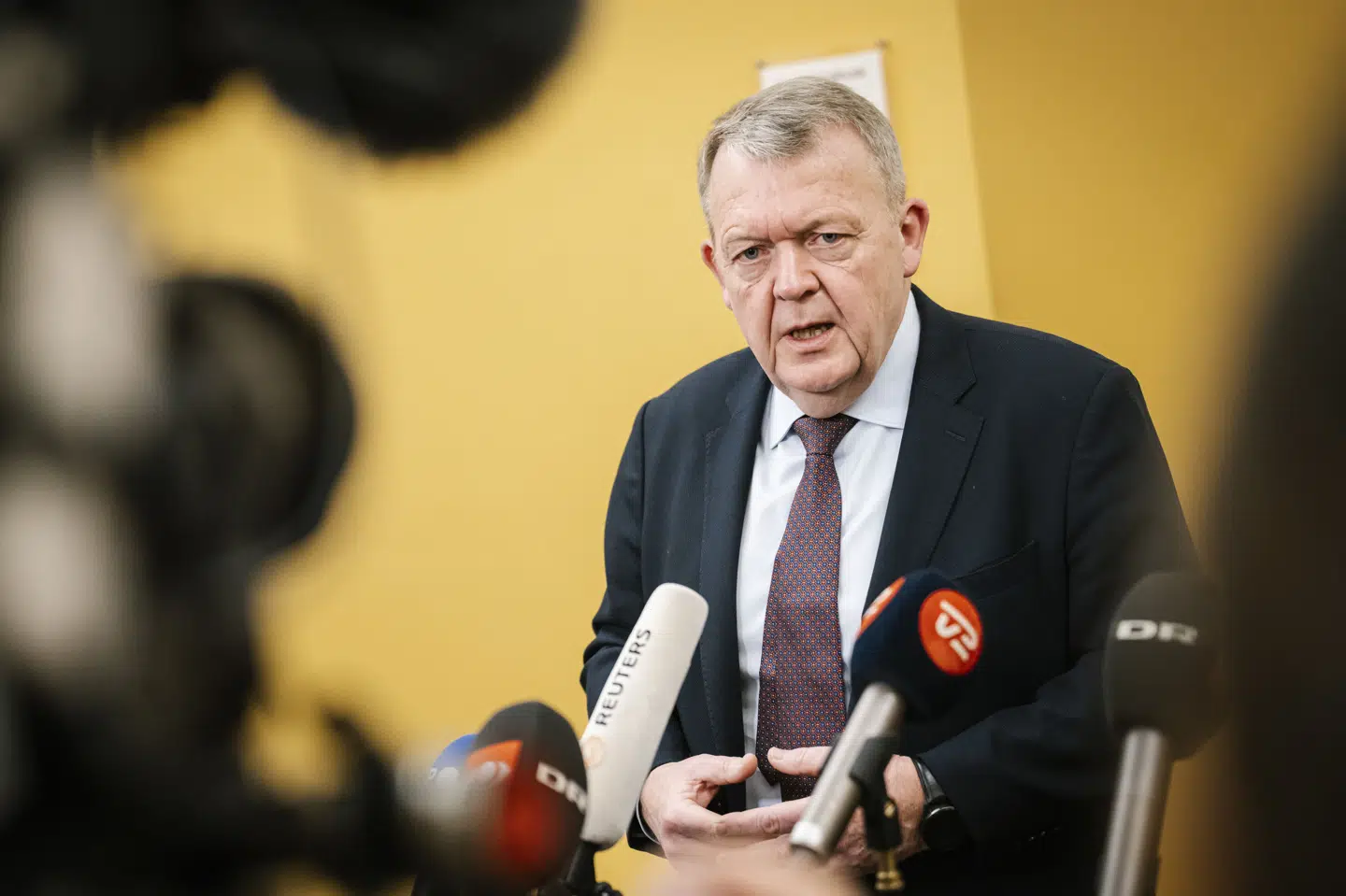
In a move underscoring Denmark’s evolving stance on Israel, Foreign Minister Lars Løkke Rasmussen has declared that the government is “open to” imposing sanctions on Israeli Security Minister Itamar Ben-Gvir. Rasmussen emphasized the need for a stronger message to be conveyed to Israel amidst increasing tensions surrounding the Israeli settlers in the West Bank.
Recent weeks have seen a wave of sanctions from various European nations directed at Israel, a response to the actions of these settlers. After a meeting of the European Committee on Wednesday, Rasmussen stated, “From the Danish side, we are open to sanctioning Ben-Gvir, the minister who is clearly at the forefront of these illegal settlements and openly supports them.”
Looking ahead, Rasmussen will be attending a gathering of EU foreign ministers on Monday, where the ongoing situation in the West Bank will be a pivotal topic of discussion. He noted a potential shift in the EU’s dynamics following a government change in Hungary, which had previously stymied various initiatives.
“I have reached out to Kaja Kallas, the EU’s foreign affairs chief, ahead of that meeting. I hope to encourage her and the EU Commission to come up with concrete proposals,” Rasmussen explained.
The new Danish government aims to adopt a more proactive approach compared to its predecessor, the SVM coalition. “Continuing the former government’s perspective that Europe wields the most influence when united in voice, our position is clear: we must strive for a stronger consensus within Europe,” he stated.
As reports surfaced on Tuesday, several nations began coordinating sanctions against Israel. France, Great Britain, Norway, and Canada have announced measures targeting Israeli networks implicated in acts of violence in the West Bank. These efforts are being aligned with Australia and New Zealand, which disclosed their own new sanctions just last week.
This initiative marks a significant shift in the conversation around Israel and the Palestinian territories, highlighting a growing urgency among nations to address ongoing conflicts in the region.
