

Remembering a Noble Legacy: Gilleleje’s Role in One of World War II’s Most Courageous Acts
This October, the quaint fishing village of Gilleleje, nestled along the picturesque Danish Riviera, pauses to reflect on a remarkable chapter from its past. Eighty years ago, this charming town played a pivotal role in one of the most significant acts of collective resistance during World War II: the flight and escape of Danish Jews.
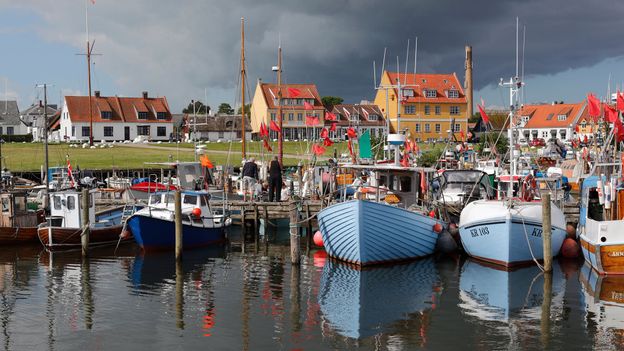
As autumn descends upon the Danish Riviera, the scene is as enchanting as ever. Apple trees laden with ripe fruit adorn gardens beside thatched cottages, while vibrant pink roses flourish amidst the coastal dunes. Visitors savor fish and chips on the bustling quay, just steps away from a harbor brimming with pleasure boats. Across the calm blue waters, the Swedish coastline gently rises on the horizon, a beacon of hope for many.
Yet, the tranquility of this idyllic landscape belies a darker history. In October 1943, these very waters served as a crucial escape route for Danish Jews. The stakes were unimaginable; failing to navigate the perilous journey from occupied Denmark to neutral Sweden could mean deportation to concentration camps and the harrowing specter of death.
Thanks to the extraordinary courage of the Danish people, particularly the fishermen and residents of Gilleleje, more than 7,000 Jews—out of a total of 7,800—successfully made the harrowing crossing to freedom under the cloak of darkness. This collective action is celebrated today as a beacon of resistance and humanity in the face of tyranny.
In honor of this momentous anniversary, Gilleleje will unveil a new monument, a tribute to those brave souls who defied oppression. Additionally, the Museum of Jewish Heritage in New York is presenting an exhibition titled Courage to Act: Rescue in Denmark, aiming to share this pivotal story with a broader audience, ensuring that the legacy of courage and compassion continues to inspire future generations.
