

Denmark Aligns with Sweden, Germany, Norway, and Finland as Copenhagen Strengthens Northern Europe’s Hotel Market
Published on July 8, 2026
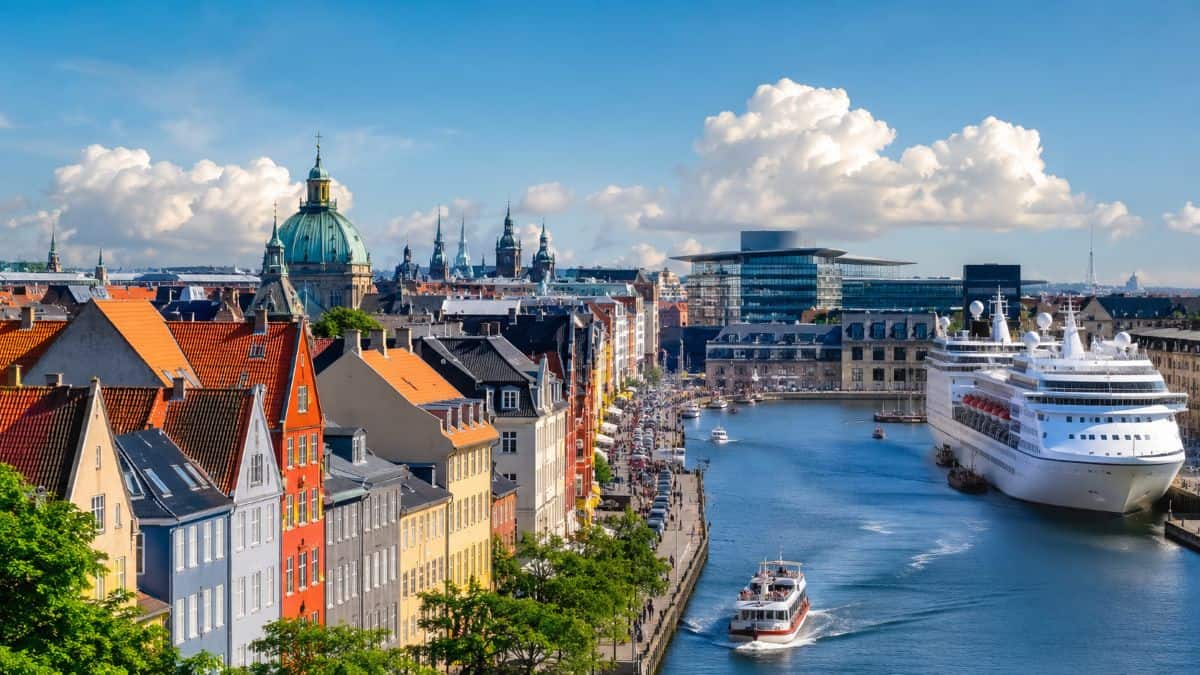
Copenhagen is fortifying its status as one of Europe’s most resilient and appealing destinations for travelers, owing to a combination of robust visitor demand, state-of-the-art infrastructure, sustainable urban development, and a dynamic hotel sector. The Danish capital thrives on a well-rounded blend of leisure tourism, international business travel, conferences, and cruising, positioning itself as a formidable player in Northern Europe’s hospitality landscape. With ambitious infrastructure projects, enhanced conference facilities, and ongoing urban revitalization efforts, Copenhagen is poised for a decade of sustainable tourism growth.
The city’s allure extends far beyond its storied streets and scenic waterfront. Continuous investments are being made in transportation, hospitality, cultural attractions, and waterfront redevelopment, creating fresh opportunities for both travelers and investors. High-profile venues like the Bella Center and the award-winning Port of Copenhagen, along with ambitious projects like the Fehmarnbelt Tunnel, are not just enhancing the visitor experience; they are also bolstering international connectivity. These initiatives are expected to further amplify hotel demand and attract international events, solidifying Denmark’s reputation as a vital gateway between Scandinavia and Central Europe.
Copenhagen’s Ascendancy in Northern European Tourism
| Market Highlights | Details |
|---|---|
| Country | Denmark |
| Capital City | Copenhagen |
| Population | Approximately 670,000 |
| Greater Urban Area | Around 1.4 million residents |
| Key Tourism Segments | Leisure, Business, MICE, Cruise |
| International Gateway | Copenhagen Airport |
| Major Convention Venue | Bella Center |
| Main Cruise Port | Port of Copenhagen |
Copenhagen remains a top choice for visitors, largely due to its unique blend of rich heritage, innovative urban planning, and high living standards. The city’s colorful neighborhoods, waterfront vistas, celebrated museums, Michelin-starred dining, and royal landmarks draw in tourists from all corners of the globe.
Unlike regions that rely heavily on seasonal tourism, Copenhagen enjoys consistent visitor numbers, supported by a diverse range of travel segments. International leisure travelers, corporate visitors, conference attendees, and cruise passengers all contribute to steady hotel occupancy throughout the year. This balanced tourism ecosystem provides the city with resilience in fluctuating economic conditions, instilling confidence in hotel investors and developers alike.
A Thriving Hotel Market Fueled by Diverse Demand
| Hotel Market Drivers | Impact |
|---|---|
| International Leisure Tourism | High occupancy |
| Business Travel | Stable weekday demand |
| Conferences & Exhibitions | Premium hotel performance |
| Cruise Tourism | Additional visitor spending |
| Regional Tourism | Year-round visitation |
Copenhagen’s hospitality sector benefits from a host of simultaneous demand drivers. Leisure tourism is thriving, powered by Denmark’s strong reputation for sustainability, gastronomy, architectural charm, and family-friendly activities. Travelers are increasingly seeking authentic Nordic experiences, often extending their visits.
Business travel significantly contributes to the city’s vitality; as a Northern European financial hub, Copenhagen draws multinational corporations and international organizations year-round. This mix of demand not only stabilizes hotel revenue across several market segments but also mitigates reliance on any single source of tourism.
Bella Center: The Heart of Copenhagen’s MICE Market
| Convention Advantages | Benefits |
|---|---|
| Large Exhibition Capacity | International conferences |
| Modern Facilities | Corporate events |
| Airport Accessibility | Easy delegate access |
| Hotel Supply | Large accommodation capacity |
| Public Transport | Efficient city connectivity |
Meetings, Incentives, Conferences, and Exhibitions (MICE) remain vital to Copenhagen’s tourism economy. The Bella Center stands as a beacon for major international conferences and exhibitions, attracting thousands of delegates and reinforcing the city’s appeal. Notably, visitors attending conferences typically generate higher spending than leisure travelers, benefiting hotels, restaurants, and local attractions.
Copenhagen’s efficient public transport and compact urban layout further enhance its appeal to international event organizers, ensuring convenience aligns seamlessly with sustainability.
Cruise Tourism: A Gateway to International Visitors
| Cruise Sector Highlights | Details |
|---|---|
| Primary Cruise Gateway | Port of Copenhagen |
| Regional Importance | Northern Europe |
| Cruise Operations | Homeport and transit |
| Passenger Benefits | City tourism before and after cruises |
| Economic Contribution | Hospitality and retail spending |
The Port of Copenhagen continues to rank among Europe’s busiest cruise gateways. Its strategic location equips cruise operators to efficiently service Baltic itineraries while allowing passengers seamless access to Denmark’s capital before and after their voyages. The economic impact of cruise tourism is substantial, benefiting hotels, restaurants, transportation services, retail districts, and local tour operators. As demand for cruises rebounds, Copenhagen is poised to maintain its status as a leading cruise destination in Northern Europe.
Infrastructure Investments Transforming Regional Connectivity
| Infrastructure Project | Expected Impact |
|---|---|
| Øresund Bridge | Denmark-Sweden integration |
| Fehmarnbelt Tunnel | Faster connection to Germany |
| Nordhavn Development | Urban expansion |
| Ørestad Development | Commercial growth |
| Public Transport Improvements | Enhanced mobility |
Infrastructure is among Copenhagen’s strongest competitive advantages. The Øresund Bridge has revolutionized regional mobility, linking Denmark and Sweden into one metropolitan area, fostering commuting, tourism, and cross-border economic activity. An even bigger change is on the horizon with the Fehmarnbelt Tunnel, anticipated to drastically shorten travel times between Denmark and Germany, ultimately boosting tourism and business investments.
Simultaneously, urban development projects like Nordhavn and Ørestad are accelerating, creating new residential, commercial, and hospitality districts that will further reshape Copenhagen’s tourism landscape.
Sustainability: A Core Component of Copenhagen’s Tourism Strategy
| Sustainability Focus | Tourism Benefit |
|---|---|
| Green Mobility | Cleaner visitor experience |
| Cycling Infrastructure | Sustainable transport |
| Urban Planning | Livable city environment |
| Energy-Efficient Buildings | Responsible development |
| Public Transportation | Reduced emissions |
Sustainability is at the heart of Copenhagen’s tourism development approach. The city’s extensive cycling trails, eco-friendly urban planning, effective public transport, and investment in green buildings attract environmentally conscious travelers while supporting Denmark’s overarching sustainability goals. Hotels are increasingly adopting energy-efficient practices and sustainable operations, aligning with the expectations of today’s eco-aware visitors.
This commitment contributes to Copenhagen’s growing reputation as a leading sustainable travel destination in Europe.
Investment Confidence Fuels Hotel Market Expansion
| Investment Factors | Market Influence |
|---|---|
| Stable Economy | Investor confidence |
| Tourism Growth | Rising accommodation demand |
| Infrastructure Projects | Future market expansion |
| International Accessibility | Strong visitor pipeline |
| Mixed Demand Base | Lower investment risk |
Copenhagen emerges as one of Northern Europe’s most appealing hospitality markets for investors. With long-term tourism growth, robust business travel, improved international links, and consistent conference activity, the city offers a solid foundation for new hotel projects and renovations. Developers are also responding to evolving traveler preferences with the introduction of lifestyle hotels, upscale accommodations, and sustainable hospitality concepts throughout the city.
As international arrivals continue to swell, Copenhagen is well-positioned to pursue balanced growth while maintaining the high standards that have made it a favored destination.
Positive Outlook for Copenhagen Through the Next Decade
Looking ahead, growth is expected to be driven by infrastructure improvements, enhanced regional connectivity, a flourishing calendar of international events, cruise tourism expansion, and ongoing investments in the hospitality sector. The completion of the Fehmarnbelt Tunnel is set to transform travel dynamics across Northern Europe, facilitating new tourism opportunities between Scandinavia and Central Europe.
Together with the extensive international network offered by Copenhagen Airport, the city’s robust convention capabilities, and Denmark’s commitment to innovation and sustainability, these developments will undoubtedly reinforce Copenhagen’s status as a premier destination for hotel investment and travel in Europe.
For travelers, investors, and tourism stakeholders alike, Copenhagen stands as a model of resilience and long-term growth, focused on accessibility and sustainability rather than fleeting tourism trends.
Frequently Asked Questions
1. Why is Copenhagen regarded as a leading hotel market in Northern Europe?
Its balanced mixture of leisure tourism, business travel, and robust infrastructure ensures strong year-round hotel demand.
2. What significance does the Bella Center hold for Copenhagen’s tourism?
The Bella Center is a vital hub for international conferences and exhibitions, drawing thousands of business travelers and bolstering hotel occupancy.
3. Why is the Port of Copenhagen a key player in tourism?
As one of Northern Europe’s main cruise ports, it provides essential international traffic, enhancing the local hospitality economy.
4. How will the Fehmarnbelt Tunnel affect tourism in Copenhagen?
The tunnel will drastically cut travel time between Germany and Denmark, facilitating enhanced accessibility and encouraging regional travel.
5. What makes Copenhagen appealing to leisure travelers?
Historic sites, waterfront areas, cultural experiences, gourmet dining, and eco-friendly urban design make it a highly attractive destination.
6. Why is Copenhagen significant for business travelers?
It’s a major hub for finance, technology, and pharmaceuticals, supported by strong international connectivity.
7. How does sustainability enhance Copenhagen’s hospitality sector?
Initiatives like green transport, sustainable hotels, and eco-conscious urban planning attract eco-aware travelers.
8. What infrastructure projects are shaping the future of Copenhagen?
Developments such as the Fehmarnbelt Tunnel and ongoing public transport improvements are vital for long-term growth.
9. Why do investors see potential in Copenhagen’s hotel market?
The city’s stable economy, diversified demand, and ongoing infrastructure investments create favorable investment conditions.
10. What is the long-term outlook for tourism in Copenhagen?
The prospects remain bright, supported by strengthened accessibility, sustainable development, and continued investment in hospitality.
