

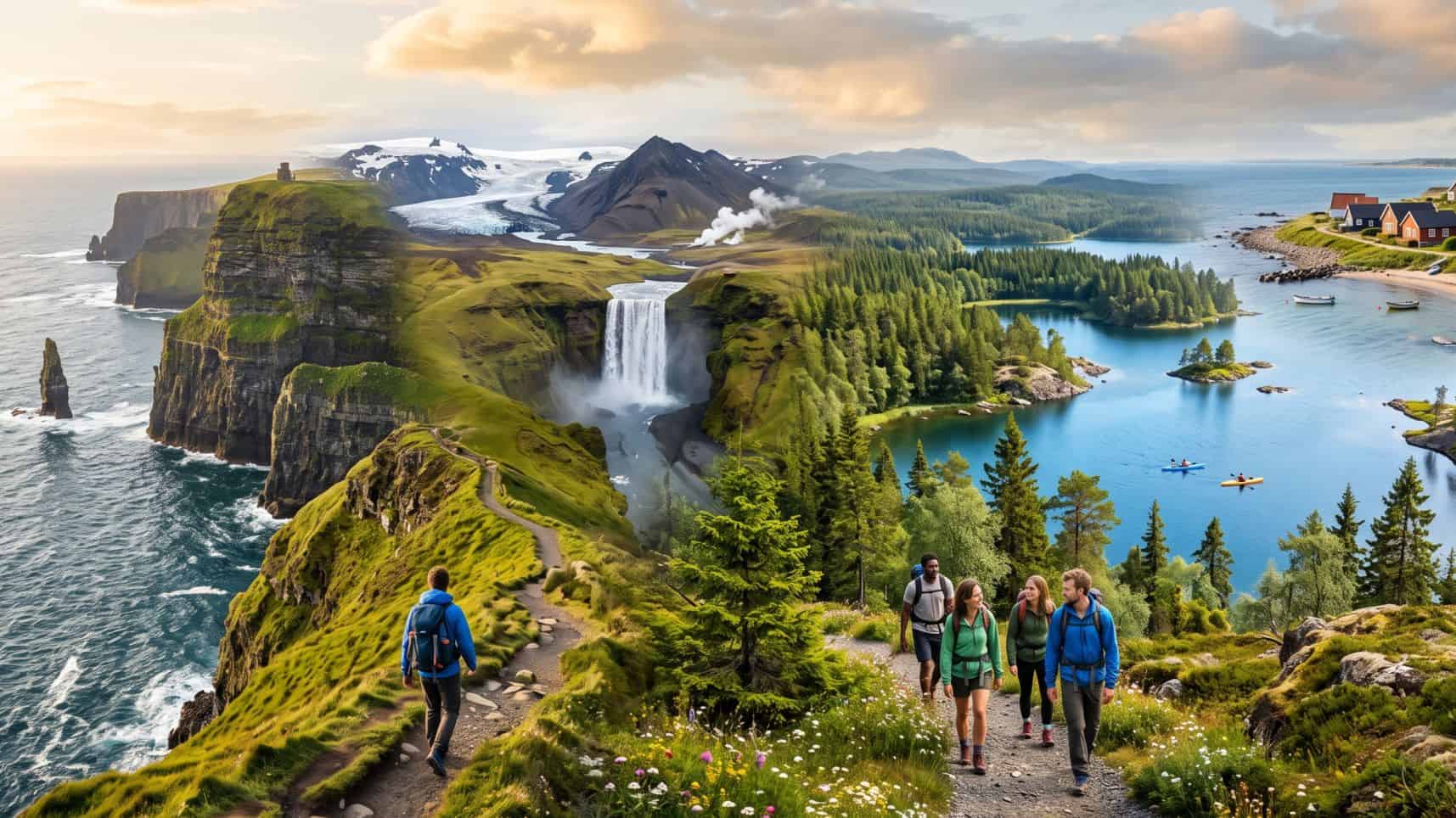
Ireland, Iceland, Finland, and Denmark: The New Pinnacles of Pristine Summer Travel
Published on July 8, 2026
As summer arrives in 2026, the landscape of European travel is undergoing a profound transformation. For decades, the allure of southern Europe—with its sun-drenched beaches and storied historical cities—has captivated millions of holidaymakers. Yet, as climate realities take center stage, a new breed of traveler is emerging, one that seeks cooler, calmer, and more sustainable summer escapes.
Countries like Ireland, Iceland, Finland, and Denmark are stepping into this evolving narrative, offering breathtaking landscapes, outdoor adventures, and rich cultural experiences. These northern destinations are redefining what it means to enjoy a summer holiday in Europe.
A Climate-Driven Shift in Travel Patterns
The movement toward these northern havens mirrors broader climate trends reshaping Europe. The European Environment Agency has aptly noted that climate change poses one of the gravest challenges to communities across the continent, leading to rising temperatures, escalating heat waves, and extreme weather events—challenges that are prompting travelers to reconsider their holiday plans.
Enter the era of the “coolcation.” Travelers are now inclined to escape the oppressive heat of summer and seek out destinations rich in natural beauty, where outdoor activities and cultural exploration thrive in more temperate conditions. Northern Europe is uniquely positioned to meet this growing desire.
Whether it’s the rugged Atlantic coast of Ireland, the volcanic landscapes of Iceland, the vast forests of Finland, or the sustainable coastal retreats of Denmark, these regions embody a new approach to summer vacations—one that prioritizes environmental responsibility alongside adventure and relaxation.
The 2026 Climate Reality
As the summer season commences, climate-related concerns are significantly influencing where travelers choose to go. The once-universal appeal of basking in intense sunshine is giving way to a more nuanced understanding of comfort, sustainability, and the pressures that many popular destinations face during peak tourism months.
The summer of 2026 has brought atypical heat to various parts of Europe, underscoring the necessity of reassessing how we approach summer tourism. The Copernicus Climate Change Service has been vigilant in documenting these increasing climate extremes, revealing how fluctuating temperatures affect not just the climate but also communities and economies.
While southern Europe retains its global charm, many of its most beloved locations grapple with overcrowding and the strain on infrastructure. This reality is propelling travelers toward alternative destinations where they can tread off the beaten path—from serene forests to inviting mountains and pristine coastlines.
A New Dawn for Ireland
Among the frontrunners in this shift is Ireland, a country that has become increasingly appealing to those in search of a refreshing summer getaway. Boasting an Atlantic climate and dramatic natural beauty, Ireland represents a significant departure from traditional sun-soaked vacations.
Its allure lies in a compelling blend of nature and heritage. From the breathtaking Wild Atlantic Way to ancient landscapes and charming coastal villages, the opportunities for hiking, photography, wildlife encounters, and cultural exploration are abundant.
Recent statistics from Ireland’s Central Statistics Office reveal robust international interest, with a steady stream of visitors contributing to the growth of its tourism sector. Moreover, while much of Europe swelters, Ireland’s mild summer temperatures offer a welcoming respite, complemented by the invigorating Atlantic breezes.
Ireland is also keenly positioning itself as a sustainable tourism model, emphasizing quality experiences over sheer visitor numbers. A focus on responsible travel encourages exploration beyond Dublin’s iconic sites, inviting guests to discover quaint coastal communities and verdant countryside—all while distributing the benefits of tourism more equitably.
Iceland: A Land of Adventure
Iceland stands as a beacon of nature-based travel in Europe, merging glaciers, volcanoes, and geothermal wonders into an unforgettable summer experience. Unlike conventional summer resorts, Iceland offers adventure at every turn, inviting travelers to immerse themselves in landscapes sculpted by fire and ice.
The summer months unveil unique opportunities for exploration, where the magic of the midnight sun extends daylight hours, making room for expansive road trips and late-night adventures. This year is particularly exciting for Iceland, which anticipates a surge in visitors drawn by the upcoming solar eclipse in August, presenting yet another opportunity to showcase its remarkable natural splendor.
However, with popularity comes responsibility. Increased foot traffic necessitates careful management strategies to safeguard Iceland’s vulnerable ecosystems. The balance between maintaining its allure and protecting its intricate environment is a delicate dance the nation is committed to executing.
Finland’s Arctic Serenity
Finland is redefining summer travel by emphasizing wellness and nature-centric experiences against its stunning Arctic backdrop. This northern paradise, with its thousands of lakes and lush forests, embodies a culture that cherishes outdoor life.
In the summer, visitors can revel in the famed midnight sun, which invites them to partake in activities such as late-night hiking and outdoor dining under expansive skies. Finland’s tourism strategy is now more focused on quality over quantity, promoting serene experiences and environmentally-responsible travel.
Traditionally recognized for its winter tourism, Lapland is now garnering attention as a summer getaway, allowing visitors to explore its unique landscapes in a different light. Add in the prominence of Finnish sauna culture and outdoor relaxation techniques, and it becomes clear that Finland caters to the growing demand for health-conscious travel experiences.
Denmark’s Sustainable Coastal Model
Denmark illustrates how northern Europe is forging a new path in summer tourism. Its amalgamation of scenic coastlines, islands, and cultural richness forms a captivating destination, underscoring the accessibility of diverse experiences.
Denmark’s appeal lies in its outdoor activities, such as cycling, sailing, and hiking, which invite travelers to immerse themselves in its natural beauty at a leisurely pace. The country’s commitment to sustainability informs its tourism landscape, promoting responsible choices that balance accessibility with environmental stewardship.
Denmark expertly demonstrates that meaningful experiences can thrive outside of remote wildernesses, showing that even easily reachable locales can prioritize sustainability while offering enriching journeys.
Embracing a New Era of Travel
The ascendance of Ireland, Iceland, Finland, and Denmark encapsulates a broader shift in European tourism, steering away from the pursuit of endless sunshine and iconic landmarks towards a greater appreciation for climate comfort, authenticity, and meaningful exploration.
These northern nations exemplify how modern travelers can find both beauty and responsibility in their summer escapes. Ireland’s compelling culture, Iceland’s breathtaking landscapes, Finland’s serene environments, and Denmark’s commitment to balanced tourism all signal a new European summer model.
As we look forward, it seems likely that tourism will increasingly focus on harmonizing popular hotspots with emerging destinations, with an emphasis on ecological preservation and sustainable growth. Travelers are realizing that genuine connections with places and cultures often yield more satisfaction than fleeting visits to world-renowned sites.
Thus, Northern Europe’s rise is not merely a reaction to climate-related challenges; it heralds a long-lasting evolution towards thoughtful, experience-driven journeys that hold the promise of adventure, connection, and sustainability.
The Future of European Summer Escapes
The summer of 2026 marks a pivotal point in the European travel landscape, characterized by an unmistakable shift toward cooler, more sustainable escapes. As travelers turn their gaze to Ireland, Iceland, Finland, and Denmark, these nations emerge not just as alternatives but as pioneers of a new kind of holiday experience.
In these pristine environments, travelers can find tranquility, breathtaking landscapes, and meaningful explorations—all while embracing a responsible approach to tourism. The northern destinations are poised to redefine summer travel in Europe, providing a fresh perspective on what it means to enjoy a holiday in harmony with nature.
As climate patterns continue to dictate travel choices, the significance of Northern Europe’s summer escapes will undoubtedly grow, presenting a robust alternative for those seeking a different narrative in their European journeys. In the years ahead, Ireland, Iceland, Finland, and Denmark may well stand at the forefront of a reinvigorated European summer travel renaissance.
