

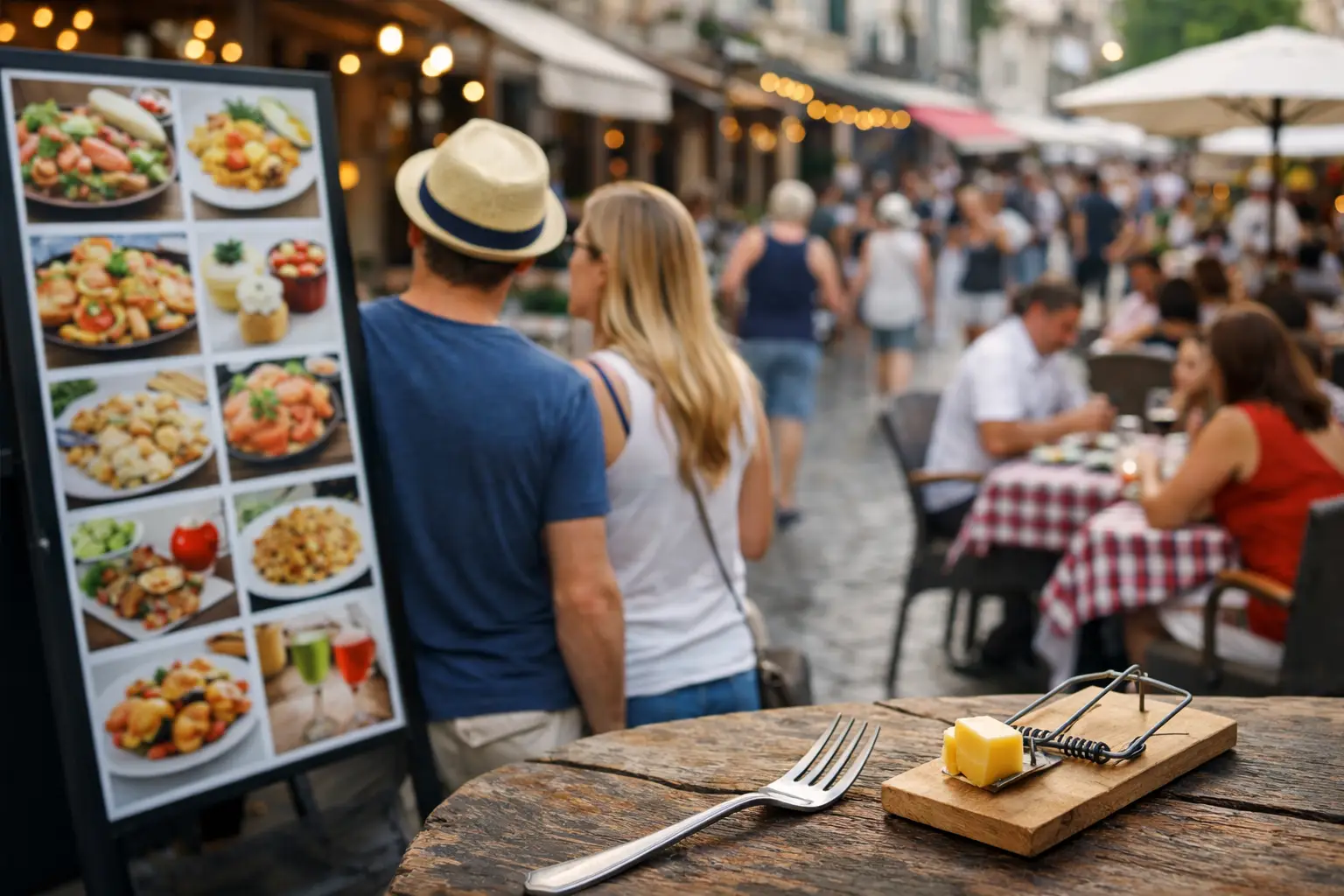
As you prepare to dine in a new city, certain telltale signs can often be spotted from a distance: a glossy menu adorned with pictures, a host beckoning passersby, and a terrace overlooking the town’s most picturesque square—all serving up dishes too costly for locals to contemplate. Steering clear of tourist-trap restaurants isn’t an exercise in elitism; it’s crucial for preserving the essence of your trip. A lackluster meal in Rome, Vienna, or Copenhagen isn’t merely about the food—it encapsulates time, money, and appetite misallocated.
For travelers who cherish authentic experiences, local flavors, and meals that resonate with the spirit of a city, discerning the right restaurant is essential. Fortunately, once you know what to seek, avoiding tourist traps doesn’t have to be a challenge. What does require some finesse, however, is distinguishing between a genuinely popular eatery and one that thrives solely on foot traffic.
Charting Your Course Before You Leave Home
Some of the best culinary decisions are made long before you board your flight. A touch of pre-trip research can yield a curated list of dining spots worthy of your time, especially in cities where every main street is adorned with polished yet unremarkable dining options.
Start by exploring the neighborhood rather than fixating on landmarks. Restaurants that crowd the vicinity of major attractions often prioritize convenience over quality, and repeat local patrons come second. While not every café near the Duomo or Stephansplatz is a lost cause, it’s wise to elevate your expectations. An eatery nestled in a vibrant neighborhood usually has a stronger connection to the local pulse than one overshadowed by a tourist hotspot.
Look beyond star ratings when selecting your dining destination. Even a restaurant boasting thousands of reviews can be mediocre if its patrons are primarily one-time visitors rating based on location and speed rather than flavor or character. Delve into the most recent reviews. Are diners praising specific dishes, attentive service, and a palpable sense of place? Or do they simply remark that the food was “fine” and the location attractive? In casual dining vernacular, the word “fine” often points to a warning sign.
When perusing photos, shift your focus from the plated food to the ambiance. Does the space seem designed for genuine dining, or is it a generic stop frequented by large crowds? Overcrowded tables, extensive menus translated into multiple languages, and decorations that lean more toward cliché than character signal a restaurant built to meet tourist expectations rather than embody its locale.
Deciphering On-the-Ground Signals
Once in the city, the most telling clues often lie before your eyes. Menus splashed with oversized food images aren’t always a dealbreaker, especially in casual settings, but in historic European centers, they frequently indicate eateries leaning heavily on convenience over quality. A menu touting everything from pizza to pad Thai screams compromise, showcasing a kitchen trying to cater to every palate without truly impressing anyone.
Take note of the staff’s interactions outside the restaurant. Aggressive hosts waving people in might be commonplace in tourist areas, but well-regarded eateries rarely need to plead for patronage. Establishments with loyal followings often exude a quieter confidence; they might be busy and even have a wait list, but they certainly don’t feel the need to perform on the sidewalk.
Next, consider the menu itself. Specificity is a positive marker. A concise list of dishes featuring seasonal ingredients or a regional focus usually reflects intentionality. Conversely, an extensive menu available around the clock—with scant evidence of seasonality or local identity—raises red flags. In Italy, this might manifest as a restaurant claiming every conceivable pasta shape alongside tourist-centric interpretations of dishes from regions far removed from where you are. In Austria, it could look like a sprawling menu of generic Central European offerings devoid of a signature dish. In Denmark, be wary of establishments flaunting a New Nordic aesthetic that lack substance.
Reading the Room Like a Local
One of the essential skills for any traveler is simply taking a moment to observe before making a commitment. Stand nearby for five minutes: what kind of crowd is dining there? While a room full of locals isn’t a prerequisite for quality, especially in popular districts, a mix of clientele often indicates a healthier atmosphere than one dominated by map-wielding visitors.
Consider the pace of the meal, too. Is it a rushed, transactional affair? Do servers seem more interested in turning tables than delivering warmth or product knowledge? Establishments focused on volume often exhibit a unique energy—efficient in the least charming way, where there’s little expectation for diners to linger or savor their experience.
Cultural nuances play a role here. In many European cities, outstanding restaurants do serve tourists, especially during peak seasons. Just because a restaurant boasts a central address doesn’t inherently doom it to be subpar. Ask yourself, would this restaurant still hold its charm if it were relocated three streets away from the iconic landmark? If the answer is no, it’s time to keep walking.
Finding Dining Gems Beyond the Hype
The internet often seduces travelers into the belief that the secret to great food lies in uncovering hidden local spots. While alluring, this notion can be unrealistic. Excellent restaurants aren’t typically shrouded in secrecy; in fact, some so-called hidden gems might be overrated or utterly inconvenient.
A more reliable strategy is to seek out establishments that are respected rather than merely popular. Think neighborhood bistros, modern wine bars with succinct menus, bustling cafés with devoted lunchtime crowds, or restaurants known for one particular dish executed to perfection. These venues may not be undercover hideaways, but they often deliver what travelers truly desire: great food, a sense of place, and an experience that feels thoughtfully chosen rather than stumbled upon.
In many European cities, simply walking 10 to 15 minutes away from the most famous attraction can yield higher-quality dining options and a more relaxed atmosphere. You’ll still find yourself in a central locale, but you’ll escape the clutches of inflated dining costs.
Key Questions to Inform Your Choices
If you find yourself torn between a few options, reflect on some straightforward yet revealing questions. Does the menu resonate with the locale? Is the wine list thoughtfully curated? Are there indicators of repeat clientele, like a steady neighborhood crowd at lunch or couples savoring lengthy dinners? Does the restaurant appear more invested in your experience than merely filling seats?
When seeking recommendations from your hotel, ask with intention. Instead of inquiring about “the best nearby restaurant,” strive to find out where they would direct a friend who values quality food and character. The depth of your question often shapes the quality of the answer.
Conversing with local shopkeepers, baristas, or gallery staff often yields rewarding insights. Those who reside and work in a neighborhood typically possess a keen awareness of which establishments maintain their integrity and which have succumbed to the pressures of location.
Dispelling Myths About Tourist Trap Restaurants
One common misconception is that tourist traps are synonymous with low prices and poor quality. In truth, many of these establishments boast polished interiors and steep price tags. They understand that travelers often connect stylish ambiance and prime locations with high standards, so pricing alone isn’t a foolproof filter.
Another myth is that long lines are a foolproof indicator of excellence. While they can sometimes signify quality, they may also indicate a restaurant’s fame on social media or its prime positioning for tourists. A queue reflects demand but not necessarily meticulous selection.
Additionally, it’s a fallacy that authenticity must appear unrefined. Some of the finest dining establishments in Europe are beautifully designed, highly photogenic, and immensely popular. What sets them apart from tourist traps isn’t their trendiness, but whether the food, service, and atmosphere hold their own in the absence of location-driven allure.
Maintaining Balance: Avoiding Overthinking Each Meal
Not every lunch on vacation needs to be life-changing. Sometimes, a convenient table, a decent glass of wine, and an hour spent savoring the surroundings is more than sufficient. The aim isn’t perfectionism, but rather steering clear of spots that feel cynical, overpriced, and disconnected from their environments.
A helpful rule of thumb is this: reserve your energy for one truly memorable meal each day, while letting intuition guide your other dining experiences. Seek out cafés with a relaxed vibe, restaurants that know their strengths, and places where diners appear genuinely pleased to be there rather than relieved to have found a seat.
Travel becomes richer when your meals enhance your connection to a place rather than obscure it. The best dining experiences do more than nourish; they clarify the essence of the city, making it feel intimate and lingering in memory long after the meal is over.
