

In what could have been a blissful retreat, I found myself instead wrestling with an unfortunate reality. Picture this: a mountain hut in Norway, complete with a cozy bar, a delightful restaurant, and a soothing sauna, all while a blizzard unleashed its fury outside. Warmth enveloped us inside, with board games and books at our fingertips. The four of us knew better than to indulge too heavily in beers and snacks, yet when the storm finally passed and it was time to settle our tab, I was met with a bill that nearly triggered a cardiac arrest. The only thing that calmed my racing heart was the thought of how much that would cost.
This moment of financial dread is a rite of passage for many visitors to Scandinavia, often occurring on their inaugural trip. Think of it as akin to the learning curve faced by Eddie the Eagle during his ill-fated jump — a humbling experience. The question remains: how does one traverse the breathtaking landscapes of Scandinavia without plunging into the depths of debt? While it may seem daunting, let’s explore some avenues to make this enchanting region a little more affordable.
Free Activities Galore
Scandinavia is a treasure trove of free outdoor activities. Shelters and fire pits dot the landscape, inviting adventurers to take a break. In Copenhagen, you can paddle around the harbor at no cost through Green Kayaks, as long as you promise to help with the litter collection during your voyage. The city boasts prime swimming spots, including a lovely summer swimming area and beaches such as Amager Strand. Nearby Stockholm, too, offers an abundance of free outdoor swimming locations.
The northern skies, meanwhile, provide another exhilarating spectacle: the aurora borealis. All that’s required is to check solar activity on one of the many free apps and venture outdoors to a high vantage point. If you visit during summer, long evening strolls are a must—take in the vibrant street art in Oslo, the intriguing Christiania district in Copenhagen, or the numerous public art installations in Stockholm. Don’t miss the chance to ascend the tallest tower in Copenhagen at no cost, browse flea markets, or explore the Botanical Gardens in Aarhus, all without spending a penny.
And speaking of being resourceful, volunteering is a popular way to immerse oneself in local life while keeping costs down. Opportunities abound to exchange skills for food and shelter, whether that’s cooking for a family or tending to farm animals.
Moreover, Scandinavia is designed with accessibility in mind. Public transport systems allow bikes, and you’re likely to find cozy huts with a fireplace waiting for you after a hike. In Sweden, old-fashioned cold bathhouses still operate, while Gothenburg unveils its forthcoming public sauna crafted from recycled materials. Hellasgården sauna in Stockholm offers a delightful, albeit modestly priced, experience at around £7.90.
The locals at Do The North recognize that many newcomers feel a bit lost in the vast outdoors. Their guided experiences aim to bridge that gap. “We do run guided kayak trips,” says co-founder Helena, “but we also rent out gear for those keen on self-guided excursions, and many novices have a wonderful time doing just that.”
Navigating Transportation
Be on the lookout for deals on travel passes that can offer substantial savings. For example, the Oslo Pass—valid for 24 hours—starts at £36 and includes free public transport, museum entry, and discounts at various eateries. With a bit of planning, you can easily recoup the cost.
Copenhagen offers a similar deal with its Discover Copenhagen Card, priced from £52 for 24 hours. This card not only provides public transport access but also takes you to cultural hubs like the Viking Ship Museum in Roskilde, where entry is complimentary for under-18s and only £18 for adults in peak season. You can even hop on a ferry to Helsingborg in Sweden from Helsingør!
In Stockholm, a one-day card costs £60 and offers some bus and boat tours around the city, though it may not cover as much regional ground.
Cycling is a fantastic way to save money, not only within the urban centers but also in the surrounding countryside. Look out for local rental services offering electric bikes to expand your exploration possibilities.
Affordable Accommodation
Scandinavian locales also embrace the principle of “the right to roam,” or allemansrätten, which allows for wild camping in Sweden. Camping is permitted, provided you leave no trace and maintain a respectful distance from roads and buildings. However, preparation is key, as wilderness areas can be expansive.
In Norway, guide Oddgeir Sagerup urges travelers to take advantage of free wild camping from May to September. “Just ensure you’re at least 200 meters from any home or cabin,” he advises. When seeking accommodation in towns, municipal centers often feature reasonably priced beds.
Denmark is home to more than a thousand free camping spots, especially along the picturesque West Coast cycle route, which offers overnight shelters. For those seeking indoor lodgings, hostels like Book1 in Aarhus provide affordable options nationwide.
In Sweden, you’ll find numerous hostels and B&Bs, most operated by the non-profit Swedish Tourist Association, which manages around 250 accommodations designed to make nature and culture accessible. Costs vary, however, with popular areas like the King’s Trail commanding premium rates. For those willing to venture off the beaten path, lesser-known trails offer beautiful cabins and cheaper stays.
Staying in mountain huts across Scandinavia fosters a familial atmosphere, where visitors come together to share meals and laughter. Embracing this communal spirit while maintaining a sense of independence can make for an enchanting and budget-friendly Scandinavian adventure.
Dining Without Breaking the Bank
Dining in Norway and Denmark often places a hefty strain on one’s wallet, with Sweden not far behind. Nevertheless, affordable dining options do exist. In Sweden, lunchtime specials or “today’s dish” usually range from £8 to £12 and include a main course, a side salad, and unlimited coffee.
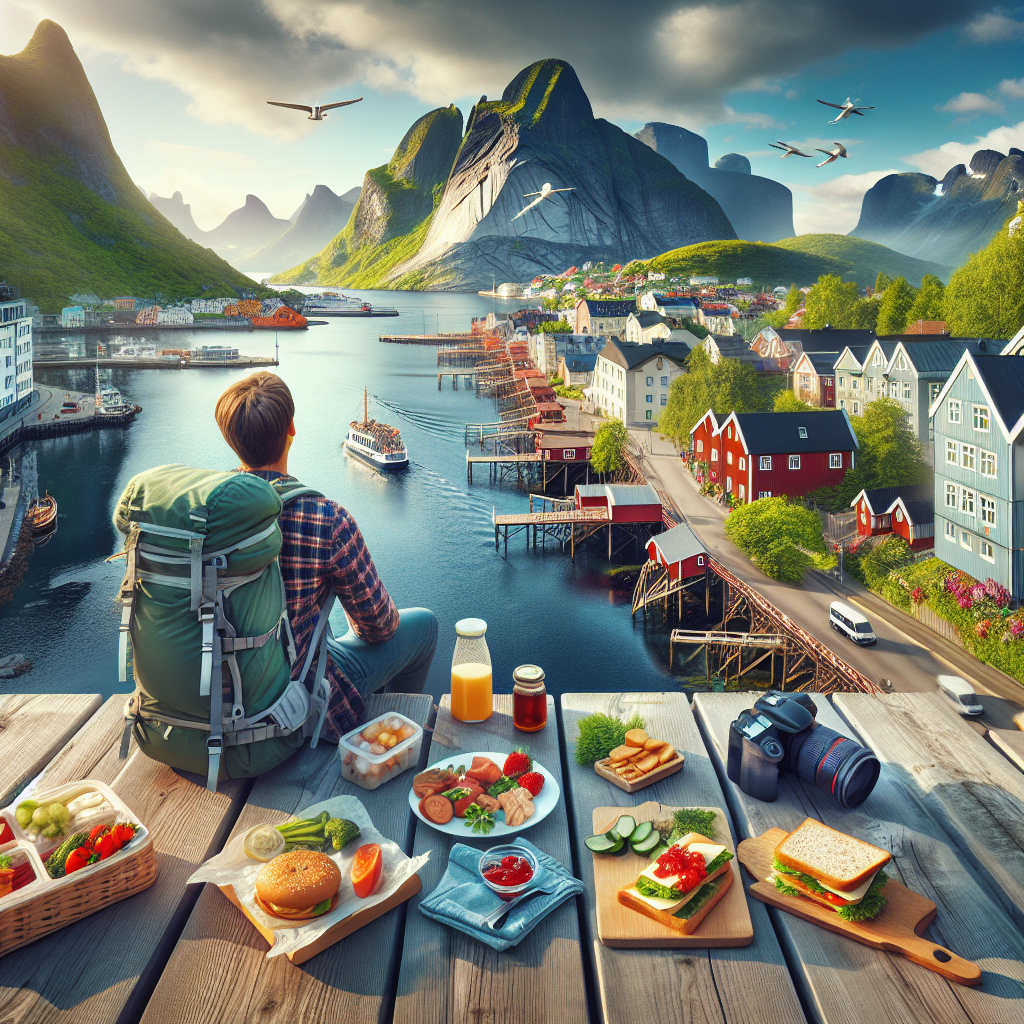
In Norway, breakfast often means crafting a packed lunch—slices of bread paired with hearty fillings make for a budget-friendly solution. In Denmark, “boller med ost” (buns with cheese) can serve as a cost-effective snack, but it’s important to budget for food expenses during your stay.
In Copenhagen, explore street food markets like Broens Gadekøkken and Reffen for diverse and affordable meal options. Henry Pallister-Dixon, a local sustainability expert, highlights Absalon Community dining, suggesting that for about £6, you can enjoy a delightful meal along with entertainment like pub quizzes and even table tennis.
Street food markets offer great value throughout Denmark, including in Odense and Aalborg.
With a bit of ingenuity, visitors to Scandinavia can navigate its natural beauty without succumbing to financial dread. By embracing the region’s culture of shared experiences and resourcefulness, you can create unforgettable memories that last long after the bills are settled.
