

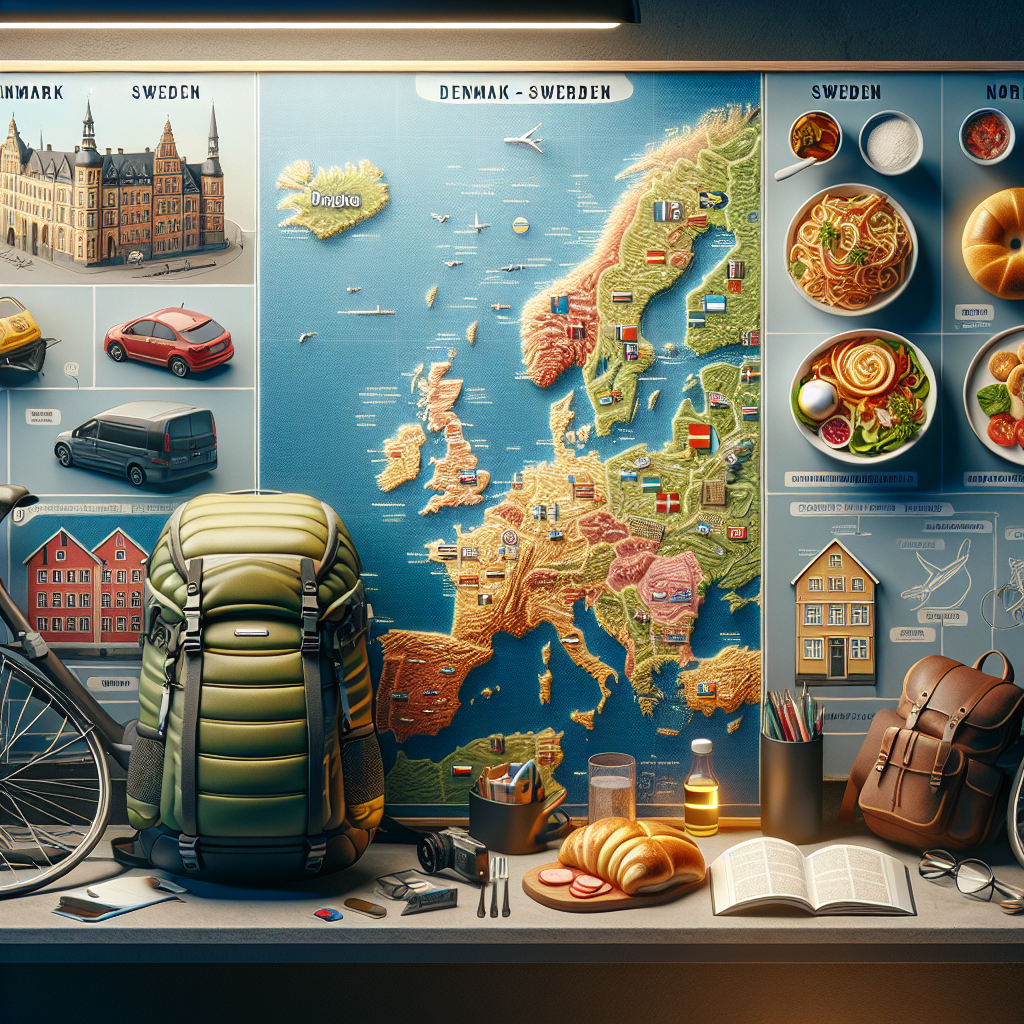
Exploring Scandinavia on a Budget: Tips for Affordable Travel in Denmark, Sweden, and Norway
Scandinavia, encompassing Denmark, Sweden, and Norway, is renowned for its breathtaking landscapes and rich culture. However, travelers quickly find that the cost of living in these countries can be daunting. Fortunately, there are savvy strategies to make your travels more economical without sacrificing the experience.
One of the first steps to stretching your travel budget is to familiarize yourself with the region’s geography. For instance, if your itinerary takes you to southwestern Sweden, consider flying into Copenhagen rather than Stockholm. Copenhagen Airport is significantly closer and often offers more budget-friendly flight options from various European destinations.
Once you arrive, consider accommodation. Hotels in Malmö, Sweden, are generally more affordable than those across the Öresund Bridge in Copenhagen. The train ride is a mere 40 minutes, making it an excellent choice for budget-conscious travelers.
Plan Ahead for Savings
Effective planning can yield financial benefits, especially when booking regional flights and train tickets. The earlier you purchase, the more you save. If you’re a young traveler (under 28) or a senior (over 59), consider single-country Interrail passes, which offer substantial value for train travel.
While summer (June to August) is peak tourist season and typically the most expensive time to visit, consider traveling during the shoulder seasons—April to May and September to October. During these months, travelers can enjoy milder weather and lower prices on both accommodation and transport.
Embrace Winter Wonders
Don’t overlook winter travel in Scandinavia, though timing is crucial. The weeks surrounding Christmas and the school holidays in mid-February see a surge in prices due to ski trips and family visits.
For the adventurous traveler, camping is a viable option in Norway and Sweden; many wilderness cabins are available at no cost. Scandinavia is also home to a robust network of hostels, and engaging in volunteer work can provide both a bed and meals in exchange for light farm duties or household chores, offering a unique chance to mingle with locals.
Eating Smart
Dining out can strain your wallet. If ever there’s a time to consider self-catering accommodations—like hostels or Airbnb—Scandinavia is it. When stocking up, aim for suburban supermarkets, where budget chains like Aldi, Netto, or Lidl offer the best prices, rather than downtown convenience stores.
Many local restaurants and bars run daily specials, happy hours, and other promotions that can help you save. Opt for lunch as your main meal, as restaurants typically offer lower-priced set menus during this time.
The Price of Alcohol
Be prepared for the high cost of alcohol in restaurants and stores, largely due to steep government taxes and monopolies. The only notable exception is Denmark, where supermarkets sell beer at more reasonable prices.
Smart Discounts
Scandinavian cities frequently provide free or low-cost activities. Many museums and music festivals do not charge entry fees, while tourism passes—like Copenhagen’s Discover Card and the Oslo Pass—allow for significant savings if you plan to take advantage of numerous attractions.
Consider joining the Swedish Tourist Association (STF), which promotes cultural and natural exploration. For an annual fee of SEK345 (approximately $50), or SEK550 for families, members enjoy discounts on activities and accommodations.
Additionally, keep an eye on official tourism websites for local offers. For instance, in Copenhagen, the Green Kayak initiative allows you to paddle for free while collecting litter, and the view from the tower at Christiansborg Palace is also free, saving you DKK 40 (around $8.80) compared to the more famous Round Tower.
Final Thoughts
Traveling through Scandinavia can be a remarkable experience, even on a tight budget. With careful planning and a few strategic choices, you can explore the stunning sights and rich culture of this captivating region without breaking the bank.
