

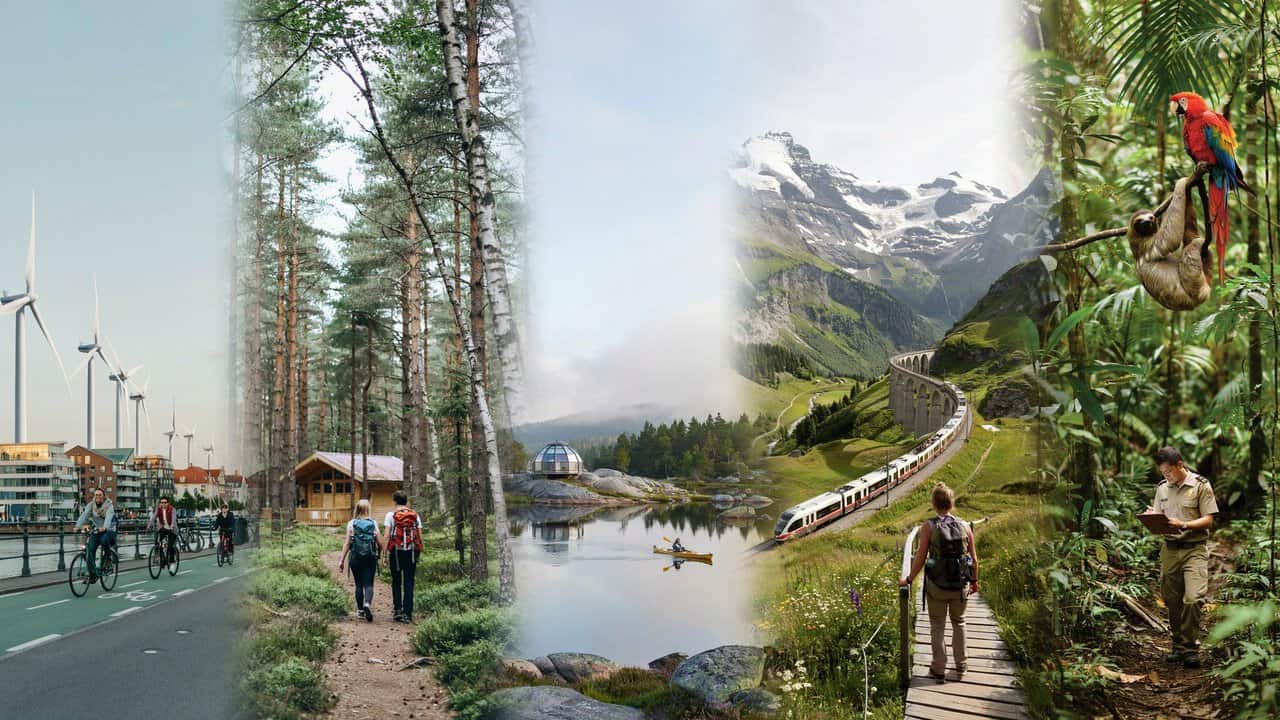
Denmark, Sweden, Finland, Switzerland, and More Lead the Charge in Sustainable Travel: What You Need to Know
Published on July 16, 2026
By: Kritika Shah
Sustainable travel has emerged as a transformative force within global tourism, with travelers increasingly seeking destinations that prioritize ecological preservation, reduce carbon footprints, and celebrate cultural heritage. Countries across Europe and beyond are investing heavily in renewable energy sources, clean transportation, biodiversity protection, and responsible tourism models that harmonize visitor enjoyment with environmental stewardship.
The world’s greenest nations are proving that growth in tourism can coexist with robust environmental protection. These countries are not just drawing visitors with stunning landscapes and distinctive experiences; they are also implementing long-term strategies to safeguard forests, oceans, wildlife, and local communities.
From the Scandinavian countries championing clean energy innovation to tropical paradises conserving their extraordinary ecosystems, these nations demonstrate how environmental policies can shape the future of global tourism.
| Country | Major Sustainability Strength |
|---|---|
| Denmark | Renewable energy and clean technology |
| Sweden | Climate innovation and circular economy |
| Finland | Forest protection and sustainable living |
| Switzerland | Alpine conservation and green transport |
| Costa Rica | Biodiversity protection and eco-tourism |
| Norway | Electric mobility and renewable solutions |
| Iceland | Geothermal energy leadership |
| New Zealand | Nature conservation |
| Germany | Renewable energy transition |
Denmark: A Green Energy Pioneer
Denmark stands as a global leader in renewable energy, having established a formidable reputation for wind power, sustainable urban planning, and environmentally conscious infrastructure. Copenhagen, the nation’s capital, epitomizes green city development, boasting extensive cycling networks, energy-efficient buildings, and climate-focused urban policies. The country’s ongoing investments in clean technologies aim to lower carbon emissions and bolster environmental resilience.
Travelers in Denmark can immerse themselves in sustainable experiences, which range from cycling through historic neighborhoods to exploring preserved coastal landscapes and eco-friendly accommodations.
| Sustainability Area | Denmark’s Approach |
|---|---|
| Energy | Large-scale wind power development |
| Transportation | Cycling-friendly cities and cleaner mobility |
| Tourism | Eco-certified hotels and responsible travel |
| Urban Planning | Low-carbon city development |
Sweden: Merging Sustainable Living with Nature
Sweden has carved out a niche as a leader in environmental innovation, emphasizing renewable energy, sustainable industries, and robust conservation programs. Its vast forests, shimmering lakes, and untouched wilderness draw travelers in search of authentic nature experiences. The nation’s national parks and eco-friendly tourism operators are integral to its travel identity.
To further enhance its sustainability credentials, Sweden has rolled out strategies aimed at waste reduction, energy efficiency, and fostering sustainable consumption.
| Features | Swedish Sustainability Model |
|---|---|
| Nature | Protected forests and wilderness areas |
| Cities | Green urban planning |
| Tourism | Responsible outdoor experiences |
| Industry | Cleaner production methods |
Finland: Championing Forest Protection
Recognized for its unparalleled forests and lakes, Finland is committed to safeguarding its natural ecosystems. The country offers some of Europe’s most breathtaking outdoor experiences, including national parks and wildlife encounters. Sustaining economic development while responsibly managing natural resources has been at the forefront of its policies.
As tourism increasingly shifts towards nature-centric experiences, Finland is setting an example of how ecological conservation can underpin tourism success.
| Sustainability Focus | Finland’s Strength |
|---|---|
| Forests | Long-term ecosystem management |
| Tourism | Nature-based experiences |
| Energy | Cleaner energy transition |
| Lifestyle | Strong connection with nature |
Switzerland: Preserving Alpine Wonders
Famed for its stunning mountains and pristine lakes, Switzerland has prioritized the preservation of its natural assets. The nation has heavily invested in efficient public transport systems, particularly rail, enabling travelers to explore its picturesque landscapes with a lower environmental footprint.
The protection of Switzerland’s fragile alpine ecosystems, increasingly threatened by climate change, remains a critical focus for the country.
| Area | Sustainable Approach |
|---|---|
| Transportation | Rail-focused mobility |
| Mountains | Conservation programs |
| Tourism | Responsible outdoor activities |
| Cities | Efficient infrastructure |
Costa Rica: A Model for Eco-Tourism
Costa Rica has garnered international acclaim as a top eco-tourism destination thanks to its unwavering commitment to safeguarding forests, wildlife, and marine ecosystems. The country’s national parks and conservation areas attract travelers keen on nature-focused experiences, steering away from the mass tourism model.
Costa Rica demonstrates that environmental stewardship can bolster local communities while providing sustainable tourism opportunities.
| Conservation Area | Costa Rica’s Achievement |
|---|---|
| Forests | Strong protection initiatives |
| Wildlife | Rich biodiversity conservation |
| Tourism | Nature-focused travel experiences |
| Communities | Sustainable local tourism models |
Norway: Electric Innovations and Responsible Tourism
Norway has garnered recognition for its pioneering efforts in electric vehicle adoption, renewable energy development, and the protection of its awe-inspiring landscapes. Home to dramatic fjords and majestic mountains, the nation’s commitment to sustainable tourism is crucial, especially as millions flock to experience its beauty.
Norway continues to refine cleaner transportation solutions while championing responsible tourism activities in vulnerable regions.
Iceland: Harnessing Renewable Energy for Unique Experiences
Iceland captivates with its extensive geothermal and renewable energy utilization, offering travelers a unique natural adventure. Its captivating volcanoes, glaciers, and waterfalls attract enthusiasts, but rising visitor numbers pose challenges for environmental management.
Sustainable tourism practices have become essential as Iceland works to protect its incredible natural heritage.
New Zealand: Conservation at the Forefront
New Zealand boasts a reputation for its breathtaking landscapes, national parks, and thrilling outdoor escapades. The nation takes a proactive stance on biodiversity conservation and the management of tourism impacts in its delicate ecosystems.
Visitors are encouraged to embrace responsible travel practices to ensure that these magnificent landscapes endure for generations to come.
Germany: Forward Leaning in Sustainability
Germany has made considerable investments in renewable energy, efficient transportation systems, and sustainable urban planning. With its green cities, cycling infrastructure, and tourism initiatives focused on eco-conscious travel, Germany has positioned itself as a key destination for sustainability-minded travelers.
Frequently Asked Questions
1. Which country is considered one of the greenest in the world?
Countries like Denmark, Sweden, Finland, Switzerland, and Costa Rica are frequently acknowledged for their strong environmental policies, commitment to renewable energy, and overall conservation efforts.
2. Why are sustainable countries becoming popular tourist destinations?
Modern travelers increasingly seek meaningful experiences that protect nature, support local communities, and minimize environmental impact.
3. What makes a destination sustainable?
A sustainable destination effectively combines clean energy practices, conservation efforts, responsible tourism, waste reduction, and the protection of cultural heritage.
4. Can tourism help protect the environment?
Absolutely. When managed with care, tourism can play a significant role in supporting conservation programs, local economies, and raising environmental awareness.
5. Which green destination is best for nature lovers?
Costa Rica, Finland, Norway, Iceland, and New Zealand are top choices for travelers eager to immerse themselves in wildlife, forests, mountains, and outdoor adventures.
The Future of Travel
The rise of sustainable tourism is reshaping how travelers select their destinations. The greenest countries in the world demonstrate that environmental responsibility and tourism success are not mutually exclusive.
By safeguarding forests, minimizing emissions, investing in renewable energies, and crafting responsible visitor experiences, these nations are crafting a future of travel that inspires discovery while nurturing the planet.
For today’s travelers, the journey is not merely about exploring the world; it’s about protecting the extraordinary places that make it remarkable.
