

Sure! Here’s a refined version of the content that maintains the original structure but offers a more engaging and journalistic tone.
Like many first-time visitors, I initially confined my exploration of Denmark to the vibrant streets of Copenhagen. In hindsight, I consider that a missed opportunity.
This is a common oversight when traveling to renowned cities like London or Barcelona or even Rome. Denmark, with its captivating coastlines, lush landscapes, and charming villages, boasts a wealth of experiences waiting beyond the capital. My enlightening journey unveiled majestic chalk cliffs, intricately carved stone sculptures, breathtaking islands, and historic castles dating back to the sixteenth century—all of which I discovered while pedaling along on two wheels.
Did You Know Denmark is Perfectly Suited for Cycling?
Denmark is a cyclist’s dream, featuring flat terrain, dedicated bike paths, and an extensive network of cycling routes connecting the entire country. In this article, I’ll delve into the Baltic Sea Route, primarily following the N8 cycle path through some of Denmark’s most picturesque coastal regions.
The Baltic Sea Route encompasses nearly the entirety of Southern Denmark, stretching over 820 kilometers in an expansive figure-eight. To truly savor the journey, a duration of at least 10 days or two weeks is recommended, depending on whether you plan to cycle exclusively or also explore by car. Spending more time at each destination allows for a deeper appreciation of what each has to offer; you could easily extend your trip to three or four weeks for a more leisurely pace.
The Baltic Sea Route:
South Zealand and Møn
Our adventure kicked off in South Zealand and Møn, covering a remarkable 170 kilometers of the Baltic Sea Route. Just a stone’s throw from Copenhagen, this area made for an ideal starting point.
Our inaugural stop was at Gavnø Castle, often referred to as the “flower island.” Resembling England’s Goodwood House, this stunning building features a grand entrance accessible via a bridge, instantly immersing us in the charm of Denmark. A conversation with Helle, the Baroness of Gavnø, revealed the vast array of offerings at the castle, from vivid floral displays and a butterfly sanctuary to a climbing park, brewery, and one of Europe’s largest art collections. There truly is something for everyone here.
Don’t Miss: Grab a picnic box from the café to enjoy in the castle gardens.
For art aficionados, particularly those with an eye for graffiti or street art, the city of Næstved is a must-visit. With a reputation built over three decades, the city features striking murals scattered throughout. The best way to experience them all is by joining a local tour that highlights the 19 notable street art locations.
Next, we journeyed to Møns Klint, a highlight of the Baltic Sea Route that had me particularly excited. This natural wonder boasts dramatic chalk cliffs and stunning coastal vistas. The cliffs, home to the protected peregrine falcon, attract birdwatchers from around the globe. Adventure seekers can trade their road bikes for mountain bikes to traverse various trails in the nearby forests, with routes suited for all skill levels. I opted for the beginner tracks! The GeoCentre offers a captivating insight into the area’s geology, taking visitors back millions of years to the age of dinosaurs.
Hotel & Restaurant: For accommodations, I recommend Bakkegaard Gæstgiveri, a delightful Bed & Breakfast near Møns Klint. As you pass through Stege, make sure to enjoy a fresh burger at Det Gamle Bryghus, where the local beer is brewed nearby.
Lolland Falster
After Møn, we boarded the ferry from Bogø to Falster, continuing along the N8 route that meanders through tranquil forests, open landscapes, and local towns. The N8 flows gracefully along Falster’s coastline, leading us to the acclaimed Marielyst Beach, consistently voted one of Denmark’s finest. Its soft, 20-kilometer stretch of sand exudes a relaxed vibe, ideal for soaking in the ambiance with a drink from one of its many cafés, rounding off with live music as the sun sets.
Our next destination was Lolland, where we veered off the N8 to visit Dodekalith, or “The Twelve-Stone.” This monumental site features twelve eight-meter-tall statues arranged in a circle, each representing a legend from local lore. Though still a work in progress, it promises to be a remarkable tribute to the island’s history. A unique 12-channel sound system will eventually transform the experience with harmonized acoustics.
Hotel & Restaurant: We stayed at Hotel Saxkjøbing, owned by renowned Danish chef Claus Meyer. This historic establishment, over 200 years old, holds a significant place in the local community.
Southern Jutland
From Lolland Falster, our journey led us to South Jutland, where we opted to explore first before looping back to Fyn. With over 3,000 kilometers of marked cycle routes and numerous bike-friendly accommodations, the region is a paradise for cyclists. Free bike repair stations dot the landscape, offering peace of mind for those on two wheels.
We commenced our exploration in Sønderborg, the largest town in South Jutland, cycling across a bridge that offers spectacular harbor views and visiting the impressive castle that also serves as a museum celebrating Southern Jutland’s rich history. Known as a countryside metropolis, the town is filled with quaint cafes, charming old homes, and, of course, a vibrant harbor.
Continuing along the N8 from Sønderborg, we reached Fjordvejen, right on the German border. Here, the N8 connects with the Eurovelo 10, one of Europe’s premier cycling routes, showcasing stunning scenery along the way. Be sure to stop by Annie’s Kiosk for a legendary Danish hot dog overlooking the Ox Islands. Our journey then took us to Aabenraa, a seaside market town steeped in maritime history. A stroll along the historic Slotsgaden, leading to the town center, and a leisurely walk on the white sand beach are highly recommended.
Don’t Miss: Cycling across the historic Gejlå Bridge en route to Haderslev.
Our final stop in Southern Jutland was the scenic Haderslev Dam, surrounded by a vibrant ecosystem. We took a serene electric Dam Boat around the lake, which allowed us to hop on and off with our bikes. This lakeside haven is teeming with wildlife and offers activities for all ages. A few days exploring Haderslev Dam is time well spent; we disembarked at Danhostel and cycled through an enchanting deer park.
Hotel & Restaurant: The Benniksgaard Hotel provides an ideal arrival point in South Jutland, featuring an excellent restaurant and pristine golf course. After exploring Aabenraa, don’t miss the delightful offerings at Restaurant Knapp, known for its fresh gourmet menu.
Little Belt
Continuing north along the N8 toward Fyn, we arrived at Little Belt, an area of rich history and natural beauty. Our first stop was Kolding, which offers everything from lush forests to sandy beaches, punctuated by historical treasures like the magnificent Koldinghus Castle. Once charred by fire in 1808, this castle has been lovingly restored to its glory and stands out as one of the route’s most impressive sights.
Next, we explored the Fredericia Ramparts, some of the oldest and best-preserved in Northern Europe. Originally built to bolster Denmark’s defenses, these ramparts now provide serene walking and cycling paths amid pristine nature.
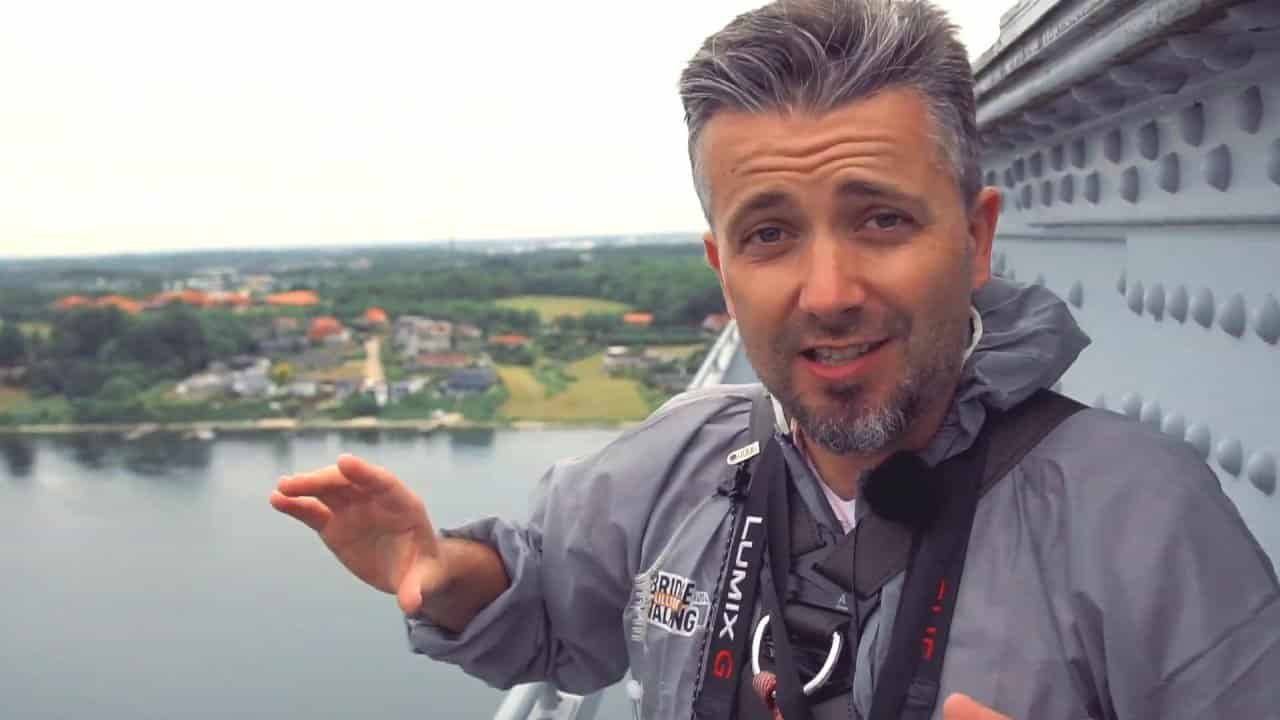
We concluded our Little Belt experience in Middelfart, walking atop the Little Belt Bridge. At a height of 60 meters, the views are simply breathtaking, with the opportunity to spot wild porpoises swimming in the waters below. Home to around 3,000 of these small whales, the area is a marine paradise, and Little Belt itself features Denmark’s largest nature park. Nearby, a beautiful deer park beckons visitors to explore.
Hotel & Restaurant: The Koldinghus has a fantastic restaurant that I highly recommend for its traditional Danish fish buffet. For lodging, Hotel Sixtus boasts beautiful sea views and is conveniently located near Middlefart and Fredericia, along with a diverse culinary scene at a nearby eatery offering an all-you-can-eat mix of international cuisines.
Fyn
The Little Belt bridge connects South Jutland with Fyn, the next gem along the Baltic Sea Route. Known as “Bike Island” for its 1,200 kilometers of signposted cycling routes, Fyn invites exploration.
Our first coastal town was Svendborg, featuring a charming harbor and a laid-back town center. We later visited Valdemars Castle, resembling a grand manor house, where breathtaking views of Tåsinge Island await. The picturesque surroundings are dotted with quaint villages that add to the area’s charm.
Following the N8 north along Fyn’s East Coast, we arrived in Lundeborg, a delightful harbor town imbued with a relaxed atmosphere. Here, we uncovered local crafts, restaurants, and the notable Broholm Castle.
Craving more of Fyn? Check out our other article on the culinary routes of this region.
Our final stop was in Nyborg, adjacent to the Great Belt Bridge, Europe’s longest bridge. This historical town features an impressive fortress and the well-regarded local distillery, celebrated for its whisky and rum, alongside a range of culinary delights.
Hotel & Restaurant: We stayed at Hotel Christiansminde in Svendborg, offering panoramic views and a Nordic menu. One of our best meals was at Skerning Kro, ideally situated between Svendborg and Faaborg, while the Nyborg Distillery offers tempting tastings alongside a mouth-watering menu.
West Zealand
Our journey concluded in West Zealand. Following the N8, this district illustrates a harmonious blend of nature, beaches, and stunning vistas of the Great Belt Bridge. Our first stop was Halsskov Reef, where visitors can marvel at the bridge from its base. The nearby petite beach offers breathtaking views and is an idyllic spot for relaxation.
In West Zealand, we explored the charming seaside town of Skælskør, just an hour’s drive from Copenhagen. With its active community and rich cultural offerings, Skælskør is always abuzz with activities. We visited an arts and crafts center featuring works from internationally recognized artists.
A short ferry ride took us to the idyllic island of Agersø. Here, a quick jaunt unveils picturesque landscapes, a charming windmill, and delightful fish and chips along the harbor.
In our closing stops, we wandered the landscaped gardens of Holsteinborg Manor and concluded at Bisserups Marina.
Hotel & Restaurant: In Skælskør, I highly recommend Restaurant Solsikken for the freshest fish and harbor views. While on Agersø, we indulged in delicious fish and chips at the harbor, savoring our surroundings.
Cycling through West Zealand brought us full circle, completing the figure-eight journey that defines the N8 Baltic Sea Route—a spectacular adventure indeed.
If you’re yearning to experience the authentic soul of Denmark—appreciate its nature, revel in the charm of its seaside towns, and absorb its fascinating history—this journey is unmissable.
It’s truly a cyclist’s paradise. Many European nations could take cues from Denmark’s exceptional cycling infrastructure, particularly the UK. Traveling in this manner proved remarkably stress-free, allowing us to relish each moment at our own pace while truly connecting with the essence of every area we explored.
Denmark has even more enchanting regions waiting to be discovered on two wheels, and I’m eager to explore them all.
For further inspiration, don’t miss our other video and article: Top and Unique Regions for an Active Biking Holiday in Denmark.
Travel insights shared by Scott for Travel Dudes.
