

Denmark’s Dark Sky Tourism: Møn, Nyord, and Anholt Shine as Stargazing Hotspots
Published on July 17, 2026
Denmark is quietly establishing itself as a front-runner in Europe’s astrotourism scene, with a surge in “Dark Sky” travel. International visitors are flocking to the tranquil islands of Møn, Nyord, and Anholt, drawn by their pristine night skies, serene landscapes, and eco-friendly experiences. These destinations boast remarkably low levels of light pollution, providing the perfect backdrop for stargazing—whether it’s spotting distant planets, enjoying meteor showers, or marveling at the Milky Way.
Local tourism initiatives promoting sustainable, leisurely travel are at the forefront of this burgeoning trend, enticing photographers, amateur astronomers, families, and nature enthusiasts alike. As travelers increasingly seek meaningful and environmentally conscious holidays, Denmark’sDark Sky destinations exemplify how tourism can coexist harmoniously with conservation.
Astrotourism: One of Denmark’s Fastest-Growing Travel Trends
Astrotourism—or Dark Sky tourism—focuses on locations where artificial light is minimal, offering visitors the chance to experience stunning night skies rarely seen amid urban glow. Interest in such experiences has surged across Denmark, as travelers gravitate toward wellness, nature-focused getaways over bustling attractions.
Møn, Nyord, and Anholt have emerged as flagship destinations for this movement, renowned for their exceptionally clear night skies and peaceful coastal settings. Unlike typical sightseeing trips, astrotourism encourages a slower pace, inviting visitors to savor evenings outdoors and reconnect with nature’s rhythms.
Møn: The Jewel of Denmark’s Dark Sky Movement
Møn stands out among Denmark’s premier stargazing locales, celebrated for its remarkably dark skies and breathtaking chalk cliffs that plunge into the Baltic Sea. The island has garnered international acclaim for its efforts in safeguarding its nighttime environment through meticulous lighting management and conservation practices.
As night falls, visitors are treated to an enchanting spectacle, with thousands of stars visible to the naked eye. They can engage in guided astronomy experiences year-round, or simply relish the majesty of the Milky Way. By day, Møn enchants with scenic hiking trails, lush forests, and the iconic Møns Klint cliffs, making it a year-round destination for both adventure and relaxation.
Nyord: Embracing Tranquility Under the Stars
Just a stone’s throw away, the quiet island of Nyord offers a contrasting yet equally rewarding experience. Its serene ambiance, limited traffic, and unspoiled natural beauty create a perfect retreat for those wishing to escape the modern world.
With almost no artificial lighting, Nyord presents an ideal setting for stargazing, allowing visitors to disconnect from distractions and embrace the soothing silence of nature. The island’s bird reserves, coastal vistas, and quaint village charm further enhance the Dark Sky experience, making it a haven for reflective travel.
Anholt: A Remote Island Paradise for Celestial Wonders
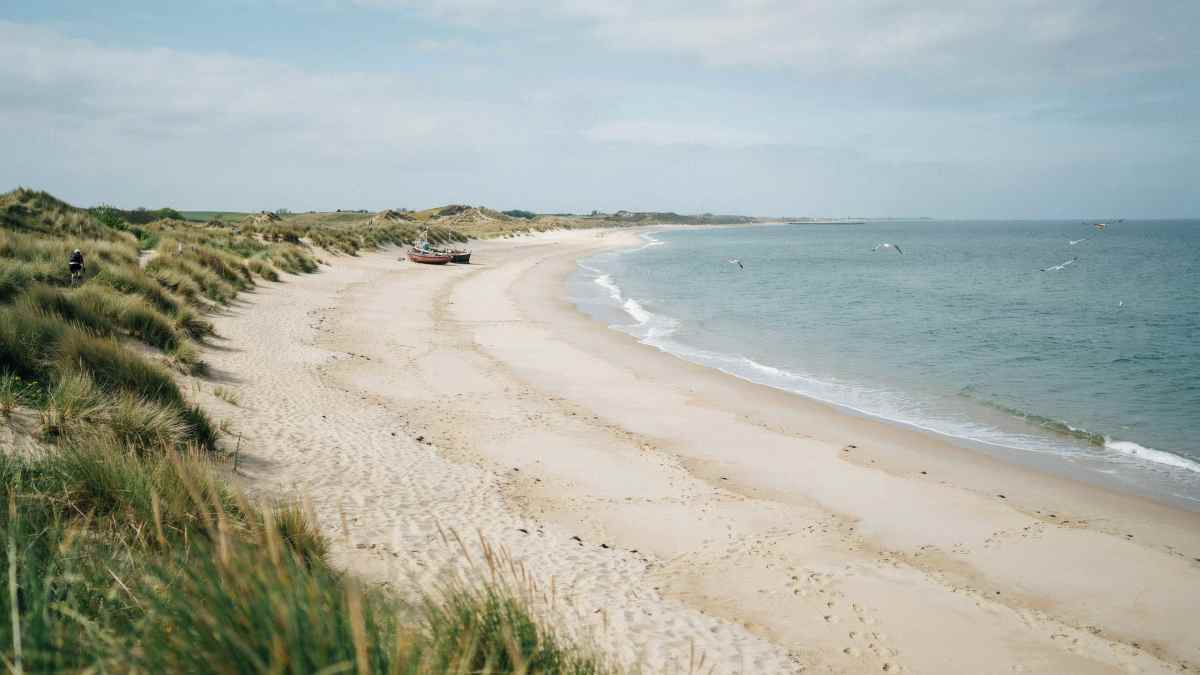
Nestled in the Kattegat Sea between Denmark and Sweden, Anholt is another shining star in Denmark’s astrotourism landscape. Its remote setting, sparse population, and minimal light pollution provide unparalleled opportunities for celestial observation.
Visitors to Anholt often blend stargazing with cycling, hiking, and wildlife watching, taking advantage of the island’s relaxed pace of life that aligns with Denmark’s broader commitment to sustainable tourism. Here, quality and depth of experience reign supreme over mass tourism.
The Allure of Slow Travel Meets Sustainable Tourism
The increasing popularity of Denmark’s Dark Sky destinations reflects a growing global inclination toward slow travel. Travelers now seek experiences that promote longer stays, meaningful local interactions, and environmental mindfulness rather than rushing from one crowded site to another.
Denmark’s tourism authorities have embraced this philosophy, spotlighting areas where visitors can enjoy nature without the adverse effects of over-tourism. This emphasis on tranquility not only enriches the visitor experience but also bolsters local businesses, including cozy guesthouses, quaint cafés, and personalized guided tours.
Why Dark Sky Tourism is Gaining Ground Worldwide
As light pollution affects more urban centers globally, interest in astrotourism has skyrocketed. Travelers are now embarking on journeys to remote locales to witness extraordinary celestial displays, including:
- The Milky Way
- Meteor showers
- Planetary alignments
- Lunar eclipses
- Northern lights in specific regions
- Constellations invisible from cityscapes
Advancements in astrophotography and the irresistible allure of sharing magical moments on social media have further propelled the trend, inspiring many to seek out extraordinary night sky experiences.
Discovering a Different Side of Denmark
While Denmark is widely recognized for the vibrant atmosphere of Copenhagen, its Viking heritage, cycling culture, and modern design, Møn, Nyord, and Anholt reveal a quieter, nature-centric aspect of the country. These islands embody the delicate balance of conservation, community tourism, and environmental awareness, crafting unique visitor experiences without compromising authenticity.
For those yearning for tranquil evenings beneath a canopy of stars instead of vibrant city nightlife, Denmark’s Dark Sky islands present an unforgettable escape.
Location and Visitor Information
Country: Denmark
Featured Dark Sky Destinations:
- Møn
- Nyord
- Anholt
Nearest Major Airport:
- Copenhagen Airport (for Møn and Nyord)
- Aarhus Airport and Copenhagen Airport (for Anholt)
Nearest Transport Hubs:
- Vordingborg (gateway to Møn)
- Roas (for Møn)
- Ferry connections to Anholt
Nearby Attractions:
- Møns Klint Chalk Cliffs
- Nyord Nature Reserve
- Anholt Desert
- Baltic Sea coastline
- Kattegat beaches
- Coastal hiking and cycling routes
Accommodation Options:
Visitors can choose from eco-lodges, boutique guesthouses, seaside hotels, campsites, and holiday cottages across the islands.
Key Stats
- Møn, Nyord, and Anholt are among Denmark’s leading Dark Sky tourism destinations.
- These islands attract a growing influx of international visitors in search of stargazing adventures.
- Local tourism authorities actively advocate for eco-tourism and slow travel.
- The low light pollution guarantees exceptional conditions for astronomy and astrophotography.
- Astrotourism contributes to sustainable economic development and encourages environmental stewardship.
Frequently Asked Questions
What is Dark Sky tourism?
Dark Sky tourism focuses on destinations where artificial light is minimal, enabling visitors to enjoy breathtaking stargazing and night-sky observation.
Why are Møn, Nyord, and Anholt so popular?
These islands offer very low light pollution, protected natural landscapes, and a peaceful atmosphere, making them perfect for astrotourism and eco-friendly vacations.
When is the best time for stargazing?
Typically, clear nights during autumn, winter, and early spring provide the darkest skies; however, summer can also yield stunning evening experiences, weather permitting.
Conclusion
Denmark’s emergence as a premier destination for astrotourism reflects a worldwide yearning for authentic, nature-centric travel experiences. With the islands of Møn, Nyord, and Anholt showcasing some of Europe’s clearest night skies, visitors can indulge in unforgettable stargazing amid tranquil landscapes, sustainable accommodations, and a slower way of life. Bolstered by vibrant local tourism initiatives and a commitment to environmental preservation, these Dark Sky destinations position Denmark as one of Europe’s most enticing locales for those seeking peace, eco-tourism, and the timeless wonder of a starlit sky.
