

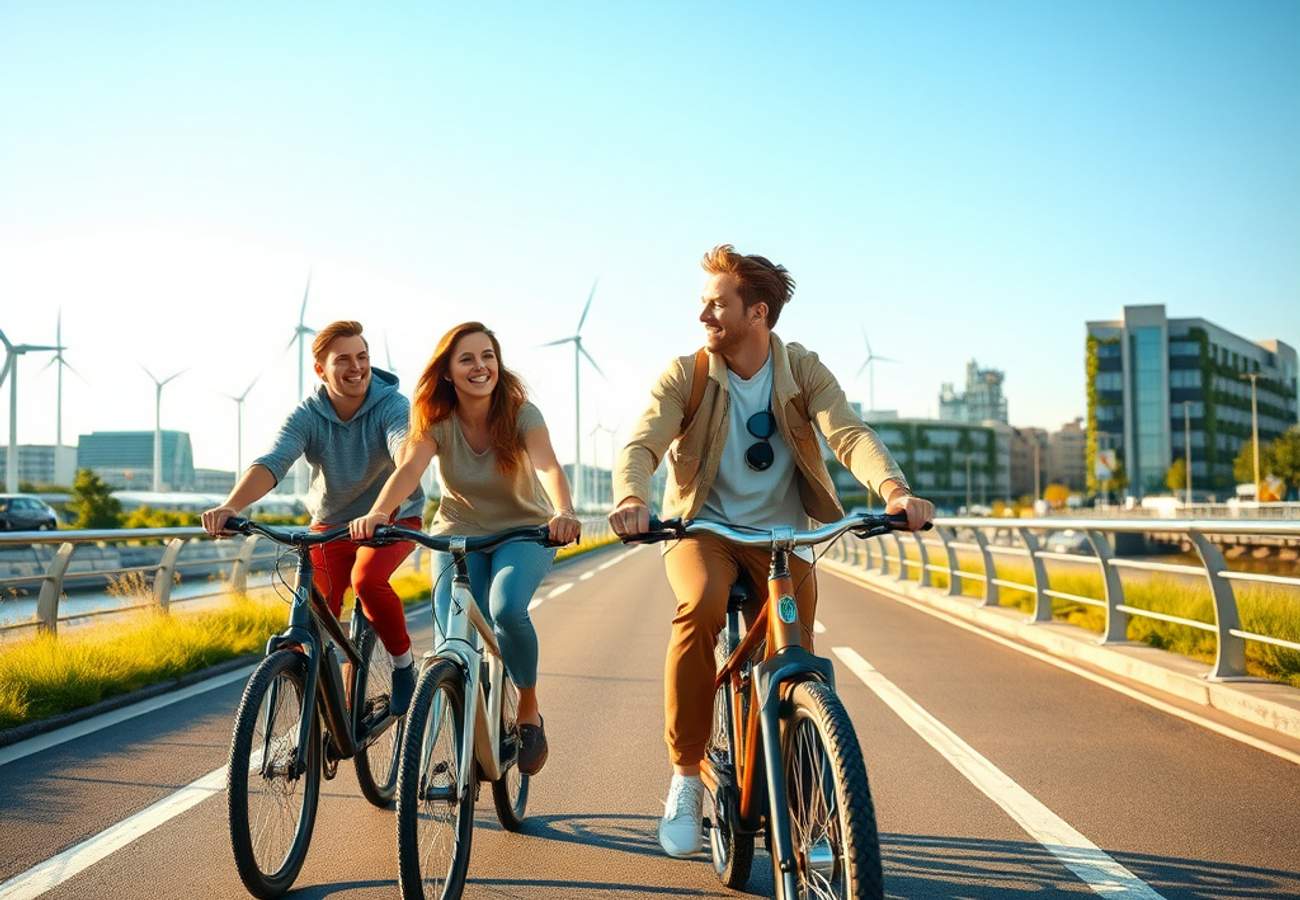
Global tourism is in the midst of a profound transformation as countries weave robust climate policies into their visitor infrastructures. Leading this charge are Denmark, Sweden, Finland, and Switzerland, which have managed to detach tourism growth from environmental harm through their commitment to renewable energy and rigorous conservation efforts.
As we look to the future of travel in 2026, the narrative is increasingly shaped by “Information Gain” regarding a destination’s carbon footprint. Travelers today are no longer content with mere “eco-friendly” labels; they seek out nations equipped with verified national strategies focused on renewable energy, circular economies, and the preservation of biodiversity.
National Sustainability Profiles and Core Strengths
These pioneering countries have set the standard for embedding environmental responsibility into their tourism experiences, harnessing a mix of geothermal, wind, and hydroelectric power to power their infrastructures.
| Country | Primary Sustainability Strength | Key Infrastructure Focus |
|---|---|---|
| Denmark | Renewable Energy & Clean Tech | Wind power & cycling networks |
| Sweden | Climate Innovation | Circular economy & forest protection |
| Finland | Ecosystem Management | Sustainable forestry & nature-based tourism |
| Switzerland | Alpine Conservation | High-efficiency rail & mountain protection |
| Costa Rica | Biodiversity Protection | National park systems & eco-tourism |
| Norway | Electric Mobility | EV adoption & fjord preservation |
| Iceland | Geothermal Leadership | Renewable heating & volcanic site management |
| New Zealand | Nature Conservation | Biodiversity & sensitive area management |
| Germany | Energy Transition | Renewable urban planning & cycling paths |
Regional Analysis: The European Green Corridor
Denmark: The Wind Power Model
Denmark has transformed its tourism infrastructure through large-scale investments in wind power. Copenhagen exemplifies low-carbon urban planning, prioritizing cycling networks over car traffic. For the traveler, this means discovering eco-certified hotels and navigating a city with carbon-neutral transportation options seamlessly integrated into everyday life.
Sweden and Finland: The Boreal Preservationists
Sweden champions a circular economy, targeting waste reduction and energy efficiency within its hospitality sector. Finland similarly leverages its extensive forest ecosystems to promote “slow tourism,” diverting visitor traffic from overcrowded areas toward carefully managed wilderness regions. Both countries recognize the preservation of their northern wilds as a critical economic resource.
Switzerland: Rail-Centric Alpine Transit
Switzerland has taken significant strides to lessen tourism’s impact on its delicate mountain ecosystems by building one of the world’s most efficient rail networks. By focusing on rail-based mobility rather than rental cars, Switzerland is able to protect its alpine landscapes while providing easy accessibility for visitors.
Global Eco-Tourism Benchmarks: Costa Rica and Beyond
Outside Europe, Costa Rica remains a shining example of how to turn biodiversity protection into economic prosperity. By emphasizing nature-focused travel and fostering sustainable tourism practices, the country deftly sidesteps the pitfalls of mass tourism, ensuring that local communities directly reap the benefits of conservation initiatives.
Meanwhile, New Zealand continues to exercise strict management practices in its sensitive natural areas, protecting biodiversity even as tourist numbers rise.
Traveler Logistics Guide: Navigating Green Destinations
Embracing sustainable travel demands careful logistical planning. To maximize efficiency and minimize your carbon footprint, consider adopting the following strategies:
1. Optimal Connection Planning
- Switzerland: Avoid car rentals in the Alps. Utilize the Swiss Travel Pass for hassle-free transfers across trains, buses, and boats.
- Denmark: Take full advantage of Copenhagen’s cycling network; many hotels offer “Green Keys” or similar eco-certified rentals.
- Norway: Choose electric ferries when exploring the fjords, aligning with emerging zero-emission maritime regulations.
2. Digital Transit & Policy Compliance
- ETIAS & Digital Entry: Complete all necessary digital travel authorizations before arriving in the Schengen Area to avoid delays at border crossings.
- Sustainable Certification: Look for the “EU Ecolabel” or “Green Key” when booking accommodations to ensure compliance with established sustainability standards.
3. Layover and Transit Tips
- Connecting through major hubs like Frankfurt or Copenhagen? Utilize the airport’s sustainable transit options and opt for high-speed rail (ICE or SJ) for regional journeys instead of short-haul flights.
Infrastructure Impact Assessment
The move toward green infrastructure is not just an ecological choice—it’s a savvy economic strategy. By investing in electric mobility and renewable energy, these nations not only cut long-term operational costs but also safeguard the natural resources upon which their tourism-dependent economies rely. This results in a robust tourism model, equipped to endure the uncertainties of climate change while delivering a high-quality, low-impact experience for the modern traveler.
The shift to sustainable travel is no longer an alternative; it has become the new standard for global transit.
