

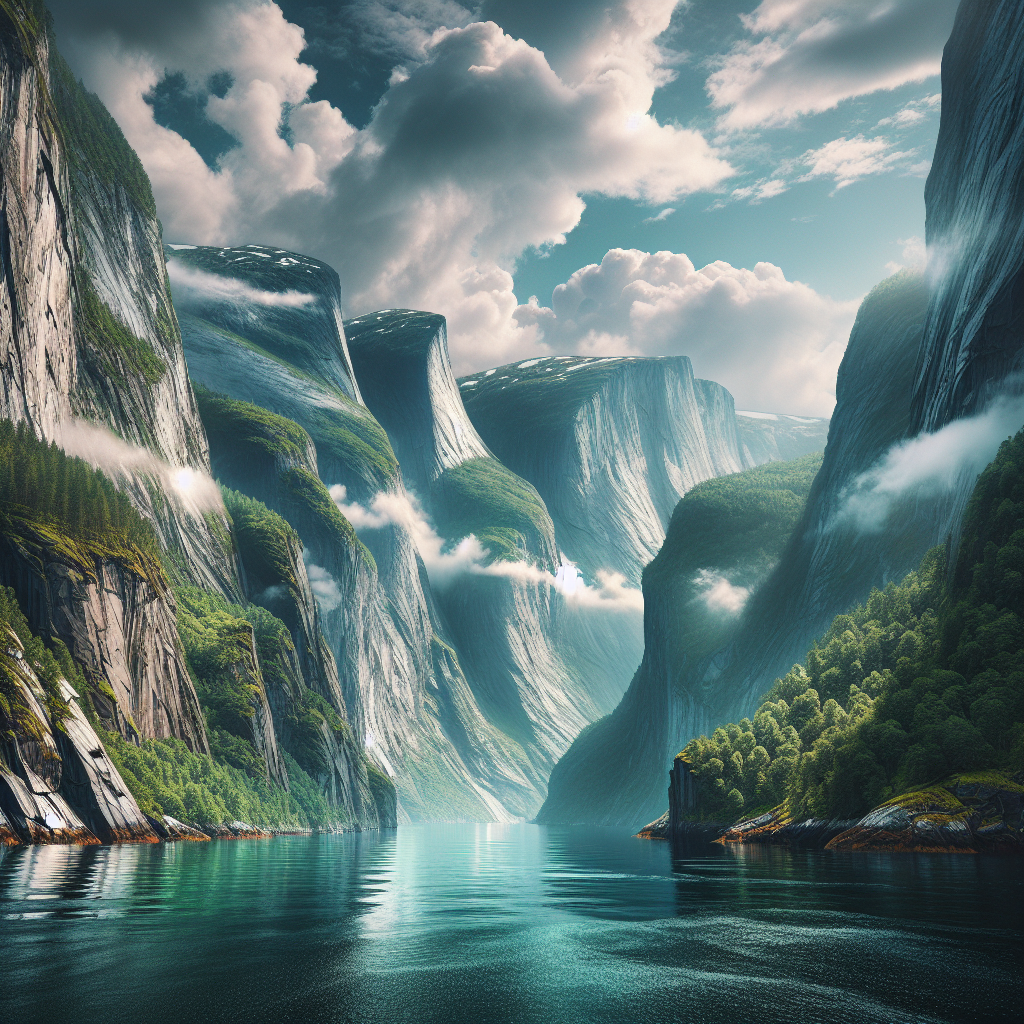
Norwegian fjords (pronounced f’your-d) are captivating inlets carved between majestic cliffs, sculpted over millennia by retreating glaciers that allowed the sea to surge in, filling the breathtaking voids. Norway boasts more than 1,100 of these stunning fjords, each celebrated for its epic beauty and dramatic landscapes. Exploring these natural wonders is a cherished aspiration for many travelers, and it’s easy to understand why; their enchantment is undeniable.
Wondering how to find and navigate Norway’s fjords? Fortunately, many are easily accessible by road or boat. This guide highlights the best fjords, places to stay, and activities to enjoy, setting you on a path to immerse yourself in Norway’s stunning coast and scenery.
Here are the must-visit fjords on your next journey through Scandinavia:
Geirangerfjord
Often hailed as the crown jewel of Norwegian fjords, Geirangerfjord is the country’s most iconic and frequently visited. Movie buffs might recognize it from Disney’s “Frozen.” Stretching 15 kilometers, it culminates in the picturesque village of Geiranger.
This charming village, however, faces an uncertain future. Geological assessments predict that part of the Åknesfjället mountain may soon collapse into the fjord, generating perilous waves that could dramatically impact Geiranger. Fortunately, local authorities are closely monitoring the situation, and residents will be evacuated if necessary. Additionally, contentious plans to install power lines across the fjord have sparked debate. Therefore, visit this breathtaking area while it still retains its natural allure!
Geirangerfjord, Norway / © Adobe Stock
Located roughly three hours from Ålesund, Geirangerfjord is recognized as a UNESCO World Heritage site. Beyond the fjord, you can explore several abandoned farms nestled along its slopes. Notable among them are Blomberg, Skageflå, and Knivsflå, many of which have been lovingly restored for visitors to experience.
If agriculture and fjord views aren’t your sole interests, the area is adorned with captivating waterfalls, including the renowned Seven Sisters Falls (De Syv Søstrene), which cascade alongside the Suitor waterfall. Legend has it that the seven sisters playfully dance down the mountain while the Suitor flirts from across the water, a sight made even more magical by the falls’ height of 250 meters, split into seven separate streams.
Left: Seven Sisters Falls; Right: Skageflå Restored abandoned farm / © Adobe Stock
How to Get There
Geirangerfjord is reachable by road or cruise ship, making it relatively easy to include in any travel itinerary.
Where to Stay
Vinje CampingQuaint camping huts boasting stunning fjord views and a nearby waterfall. Be sure to book in advance, as spots fill quickly! Rates start at 850 NOK/night. |
Hotel GeirangerThis comfortable hotel offers panoramic views of the fjord, friendly service, and convenient access to local tours. Rates start at 1150 NOK/night and breakfast is included. |
| Book Now | Book Now |
How to Explore
Private Day Tour from Oslo to GeirangerfjordThis tour provides a scenic drive from Oslo, alongside a knowledgeable guide to showcase Geirangerfjord and its surroundings. Enjoy a Viking-themed lunch amidst stunning vistas. The adventure lasts 9 to 12 hours. |
Sea Kayaking in the Great FjordsThis captivating six-day kayaking expedition begins in Ålesund, traversing the Storfjord and Geirangerfjord to Geiranger village itself. All necessary gear is supplied, offering a collaborative experience. |
Spectacular E-Biking Trip to the Mountain Pass Over FloPaddle through the mountains on an e-bike while soaking in breathtaking views. This round trip covers approximately 20 kilometers and takes about five hours. |
Hardangerfjord
Dubbed the fjord that ignited Norway’s tourism boom, Hardangerfjord beckons with its striking beauty. In 1875, Thomas Cook began organizing tours from London, forever changing the region’s landscape.
At 179 kilometers, Hardangerfjord stands as Norway’s second-longest fjord, starting from the Atlantic Ocean and gracefully extending along the Hardangervidda plateau. It harbors the renowned rock formation Trolltunga (Troll’s Tongue), a favorite destination among hikers. The fjord reaches its terminus at Odda, a charming base perfect for adventures ranging from hiking to kayaking.
Left: Trolltunga (Troll’s Tongue) overlooking Hardangerfjord; Right: Hardangerfjord / © Adobe Stock
Along the fjord, you’ll encounter Folgefonna, Norway’s third-largest glacier, along with a multitude of spectacular waterfalls. The region is charmingly known as “the fruit orchard of Norway” due to its fertile land, brimming with fruit cultivation.
Additionally, it’s one of the world’s prime fish-farming regions, particularly for salmon and trout. If you’ve ever enjoyed Isklar water, you’ve savored the ice-melt water from Hardangerfjord itself, bottled and distributed worldwide.
Left: Hardangerfjord; Right: Vøringfossen waterfall near Eidfjord off Hardangerfjord / © Adobe Stock
How to Get There
Hardangerfjord is accessible by express bus from Oslo, Bergen, and Haugesund, or by car—approximately three hours from Bergen and four from Stavanger.
Where to Stay
Odda CampingPerfectly situated for Trolltunga hiking, these clean, simple cabins offer just the essentials for outdoor adventurers. Rates start at 660 NOK/night. |
Strand FjordhotelRight on the water, this hotel features complimentary bike and kayak rentals. While it’s not luxurious, it’s comfortable and well-kept, with great amenities. Rates start at 1,164 NOK/night, including breakfast. |
How to Explore
Eidfjord One-Hour RIB Fjord TourThis swift, enlightening tour of Eidfjord harbor includes sightseeing, wildlife observation, and a knowledgeable guide to illuminate the area’s history. Book ahead, as spots fill quickly. |
Three-Hour Kayak TourThis beginner-friendly kayaking experience allows you to explore Eidfjord under the guidance of skilled instructors. Witness breathtaking views and diverse wildlife, with the chance of spotting a whale! |
Sognefjord
As Norway’s largest fjord—both the longest and deepest—Sognefjord stretches an impressive 205 kilometers, measuring up to 1,308 meters deep in places. Its regal moniker, “The King of the Fjords,” is aptly deserved. Sognefjord branches into several smaller fjords, including Sognesjøen, Arnafjord, Esefjord, Nærøyfjord, and Lustrafjord.
Lustrafjord, the fjord’s innermost arm, leads to Skjolden, a gateway to Jotunheimen National Park. While Sognefjord itself is a stunning destination, the entirety of Sogn og Fjordane county showcases incredible landscapes and vistas worth exploring.
Left: Sognefjord; Right: Viking ship on Sognefjord / © Adobe Stock
Aside from its natural splendor, Sognefjord offers a chance to explore three cherished stave churches: Kaupanger, Borgund, and Urnes. These wooden marvels, built in medieval times, are iconic structures that have largely remained intact, with 32 still standing across Norway.
For those thinking this region is all charm, Sognefjord also boasts the second-longest power lines in the world, known as the Sognefjord Span, proving it has something for everyone!
Left: Norwegian Stabkirche stave church on Sognefjord; Right: Hiking in Jotunheimen National Park / © Adobe Stock
How to Get There
Sognefjord is accessible by car, approximately a four-hour drive from Bergen.
Where to Stay
Bøyum CampingOffering simple camping facilities with impressive views, options include private cabins with kitchenettes or tent pitches. Rates start from 230 NOK/night. |
Lustrafjorden B&BThis charming B&B features antique furnishings and shared bathrooms. It’s located right on Lustrafjord, with Børestein Mountain just 8 kilometers away, perfect for a day hike. Rates start at 1,300 NOK/night. |
How to Explore
Private Tour from BergenThis comprehensive full-day (11 hours) private tour is an extraordinary way to explore Sognefjord, Gudvangen, and Flåm. Delve into the area’s history, culture, and wildlife, with a diverse range of transport options—rail, boat, and road—all included. |
|
Nærøyfjord
As a UNESCO World Heritage site, Nærøyfjord is a narrow, enchanting arm of Sognefjord, stretching only 18 kilometers but showcasing breathtaking vistas. Rising majestically up to 1,700 meters on either side, it epitomizes the classic fjord experience.
Nærøyfjord / © Adobe Stock
The Nærøydalselvi River flows into the fjord at the quaint village of Gudvangen, while the tiny settlement of Bakka graces the west bank, notable for its picturesque Bakka Church, a creation of the famed architect Christian Henrik Grosch.
How to Get There
Access to Nærøyfjord is straightforward via car, approximately a four-hour drive from Bergen.
Where to Stay
Sogndal VandrerhjemThis clean, bright hostel offers practical amenities along with great waterside views, ensuring excellent value. Rates start from 600 NOK/night, breakfast included. |
Leikanger Fjord HotelSet right by the water, Leikanger boasts well-preserved antique furniture and modern comforts. Enjoy terrace views and cosy rooms, many offering fjord vistas. Rates start from 1,300 NOK/night. |
How to Explore
Private Tour from BergenTour options are similar to those recommended for Sognefjord, allowing you to explore Nærøyfjord in depth as well. This full-day (11 hours) private tour offers an engaging encounter with the history, culture, and breathtaking landscapes of the area, with a variety of transport modes included. |
|
Lysefjord
Translating to “light fjord,” Lysefjord is renowned for its striking light-colored granite cliffs and is famous for Preikestolen, or “Pulpit Rock.” This towering cliff, standing 604 meters high, is a popular destination for hikers looking to soak in extraordinary views.
Left: Preikestolen (“Pulpit Rock”) on Lysefjord; Right: Preikestolen viewpoint / © Adobe Stock
Though the fjord’s steep cliffs offer little coastal development, the charming villages of Forsand and Lysebotn provide gateways to the area. Lysebotn, largely home to workers from nearby hydroelectric plants, features several hotel options for visitors.
Beyond the villages, adventurous hiking trails await, including the iconic Kjeragbolten, a boulder precariously suspended between two rock faces. For those seeking a challenge, the Flørli 4444, the world’s longest wooden staircase with 4,444 steps, offers an exhilarating trek. Though smaller in size, Lysefjord is brimming with experiences.
Left: Kjeragbolten on Hardangerfjord; Right: Flørli 4444, World’s Longest Wooden Staircase / © Adobe Stock
How to Get There
Lysefjord is accessible by boat from Stavanger, taking about an hour. To reach Lysebotn, you can navigate the challenging Lysebotnvegen in the summer or take a ferry during winter months.
Where to Stay
Stavanger Lille Hotel & CafeA delightful combination of hotel and café, both unpretentious and charming. Enjoy a delicious breakfast buffet while taking in the cozy ambiance. Conveniently located just minutes from the main pedestrian street. Rates start at 490 NOK/night. |
Radisson Blu Atlantic Hotel StavangerModern Scandinavian design paired with panoramic views of Stavanger makes this hotel a top choice for comfort. Only 250 meters from the picturesque old town, rates begin at 930 NOK/night, with a generous breakfast buffet to start your day right. |
How to Explore
Guided Hike to KjeragThis full-day tour includes a scenic drive to Eagle’s Nest, where the hiking trail begins. Experience a three-hour hike to Kjerag Boulder, with time to capture views of Lysefjord before returning—total duration: 13 hours. |
Two-Hour Fjord Cruise with Preikestolen HikeThis nine-hour adventure offers a calming two-hour cruise through Lysefjord, followed by an aesthetically rewarding five-hour hike to Preikestolen. The journey begins in Stavanger and highlights beautiful landscapes, including Vagabond’s Cove and Hengjane Waterfall. |
Aurlandsfjord
Aurlandsfjord, a picturesque 29-kilometer branch of Sognefjorden, boasts one of the most idyllic settings among its offshoots. Midway through the fjord, Nærøyfjord diverges, making parts of Aurlandsfjord eligible for UNESCO World Heritage status.
Aurlandsfjord / © Adobe Stock
The fjord meanders through Aurland, Lærdal, and Vik municipalities, culminating in the diminutive village of Flåm, an enchanting spot with a population of just 350. Due to the rocky terrain and steep mountains, there’s limited habitation along the fjord, aside from a few charming valleys and farmland. For those already venturing to Sognefjorden, Aurlandsfjord presents an effortless opportunity to absorb the stunning scenery.
How to Get There
Much like Sognefjord and Nærøyfjord, Aurlandsfjord is easily reached by car in approximately four hours from Bergen. Adventurous travelers can also experience the renowned Flåm Railway that runs alongside the fjord before taking a boat or ferry cruise to enjoy scenic views.
Where to Stay
Sogndal VandrerhjemThis hostel, while not luxurious, is functional for travelers seeking basic accommodations. Clean and bright, it sits right by the water, offering great value, with breakfast included. Rates start at 600 NOK/night. |
Leikanger Fjord HotelWith a beautiful waterfront location, Leikanger Fjord features well-preserved, vintage décor along with modern comforts. Many rooms offer idyllic views of the fjord. Rates begin at 1,300 NOK/night. |
How to Explore
Private Tour from BergenThis full-day (11 hours) tour is identical to that of Sognefjord, encompassing both Aurlandsfjord and Nærøyfjord, offering a rich experience through both stunning locales. Travelers will dive into the area’s history and culture while traversing diverse transport modes, combining rail, boat, and road. |
|
Oslofjord
If your travels bring you to Oslo without the opportunity to venture beyond the city, fear not; Oslofjord provides a chance to experience a Norwegian fjord amid the urban landscape. Stretching from Torbjørnskjær and Færder lighthouses to Langesund in the south and Oslo in the north, Oslofjord may not fit the classic fjord mold, but it delivers a stunning experience nonetheless.
Left: The old Kavringen lighthouse on Oslofjord; Right: Boats on Oslofjord / © Freya McOmish & Adobe Stock
The area is known for its beaches and islands, with Hovedøya featuring captivating monastery ruins, while Nakholmen, Lindøya, and Bleikøya offer serene wooden cabins and stunning vistas. If you’re looking to camp, Langøyene is an excellent choice. Gressholmen, previously home to a large rabbit population, is now favored for hiking, swimming, and exploration.
How to Get There
Travel options include ferry rides; the DFDS ferry from Oslo to Copenhagen provides one convenient route, alongside regular boat services from Oslo’s Aker Brygge.
Where to Stay
Anker HostelA vibrant, clean hostel near the city center. Shared rooms start from 243 NOK/night, while private rooms begin at 489 NOK/night. |
Oslo GuldsmedenThis eco-friendly establishment exudes rustic chic charm, complemented by a satisfying breakfast buffet and a central, comfortable location. Rates start at 895 NOK/night. |
How to Explore
Two-Hour Sightseeing CruiseEmbark on a scenic, two-hour cruise through Oslofjord, capturing the essence of this beautiful landscape while enjoying refreshments and splendid views. |
Essential Walking Tour of OsloEnsure you catch all the must-see landmarks on this engaging three-hour walking tour, which begins at Oslo City Hall. Discover notable architecture, enticing dining spots, and all the top attractions in the city. |
Trollfjord
With its cinematic appeal, Trollfjord is characterized by high, dark cliffs contrasted against shimmering white snow. Nestled between the Lofoten Islands and Vesterålen on Austvågøya Island, this jewel measures only 2 kilometers long and 800 meters wide at its broadest point.
Left: House on Trollfjord; Right: Snow-capped mountains of Trollfjord / © Adobe Stock
The exact classification of Trollfjord has sparked debate in Norway, with its status as part of either Lofoten or Vesterålen still unresolved. The island of Austvågøya is associated with Lofoten, yet it also falls under the jurisdiction of Hadsel Municipality within Vesterålen.
Despite being enveloped by towering mountains, Trollfjord remains a favored tourist destination. History enthusiasts may find it intriguing to learn that the fjord was the site of the infamous Battle of Trollfjord in 1890, where traditional fishermen clashed with steam-powered fishing boats.
How to Get There
Trollfjord is only accessible by boat or hiking, adding to its allure for adventurous travelers.
Where to Stay
Anker BryggeThis charming establishment comprises rooms housed in converted fishing huts, offering both historical ambiance and stunning waterfront views. Rates start at 1,400 NOK/night. |
Scandic SvolværWith a stellar waterfront location and modern design, this hotel caters to both business and leisure travelers, facilitating bookings for cruises, hikes, and more. Relax at the bar with panoramic views, with rates starting at 1,900 NOK/night. |
How to Explore
Trollfjord Sailing Trip with FishingJoin up to 12 fellow adventurers on a catamaran sailing through the fjord, taking in the breathtaking vistas while trying your hand at fishing. If you catch something, you can enjoy a delightful fresh fish soup during the trip, with the excursion lasting six hours. |
Trollfjord Cruise and Guided KayakingThis 5.5-hour journey includes a scenic cruise and a guided kayaking experience, welcoming both novice and seasoned kayakers. You’ll kayak to Skrova Island, where an unforgettable adventure awaits. |
Nordfjord
Dubbed the “express fjord,” Nordfjord offers a wealth of activities, stretching 106 kilometers from Husevågøy Island at its mouth to Loen village at its end. The rugged terrain of the Stadlandet peninsula serves as a natural demarcation between the North Sea and the Norwegian Sea.
Left: Waterfall en route to Briksdal glacier near Nordfjord; Right: Landscape near Utvik on Nordfjord / © Adobe Stock
Having witnessed a fjord, why not explore glaciers as well? Check out both Jostedalsbreen, Europe’s largest mainland glacier, and the stunningly scenic Briksdalsbreen.
The region also features picturesque fishing communities, year-round skiing in Stryn, and the Loen Skylift at Innvikfjord, which rapidly transports visitors to the peak of Mt. Hoven for staggering views.
Left: Briksdalsbreen glacier; Right: Jostedalsbreen glacier river / © Adobe Stock
How to Get There
Direct express bus services connect from Oslo and Odda, along with an express boat from Bergen. By car, Nordfjord is about three hours from Ålesund.
Where to Stay
Nesset FjordcampingCozy cabins dotting the waterfront provide a snug camping experience. Kayaking, hiking, and campfires are all part of the charm. Rates start at 590 NOK/night. |
Visnes Hotel StrynThis comforting B&B, housed in a charming 19th-century home, offers nostalgic interiors and an open terrace for leisurely coffee moments. Rates begin at 1,300 NOK/night. |
How to Explore
Olden Shore Excursion: The Amazing Briksdal GlacierThe highlight of this tour is the enchanting Briksdal Glacier. Round trip, the excursion lasts four hours, encompassing sights like Olden Lake and charming churches along the way. |
|
Lyngenfjord
This expansive northern fjord stretches 82 kilometers, serving as a natural boundary between northern and southern Troms county, positioned close to Tromsø. The varied eastern and western shores present diversely striking terrain.
Melting Steindalsbreen Glacier in The Lyngen Alps near Tromsø / © Adobe Stock
Two branches of the Lyngenfjord, Storfjorden to the south and Kåfjorden to the east, also offer beautiful exploration opportunities in the region.
The towering Lyngen Alps provide a shield against the rain, making Lyngenfjord a prime location for potential Northern Lights sightings. If witnessing the aurora borealis is on your bucket list, this fjord stands as one of your best chances!
Mountain landscape at Lyngenfjord / © Adobe Stock
How to Get There
Traveling to Lyngenfjord from Tromsø is fast and convenient by car or bus.
Where to Stay
Håkon GjestehusA comfortable guesthouse with clean accommodations and a restaurant serving both Norwegian and Thai cuisine. Located just minutes from the Olderdalen Ferry terminal, rates start at 950 NOK/night. |
Lyngseidet GjestegårdThis hospitable venue offers comfortable rooms, a bar, and a restaurant with stunning views of the snow-capped mountains. Rates begin at 1,000 NOK/night. |
How to Explore
Midnight CruiseExperience the unique phenomenon of simultaneous sunrise and sunset on this magical three-hour cruise available only from May to July during the midnight sun. |
Visit to a Husky HomeFor dog lovers, a visit to one of Norway’s largest husky camps offers an unforgettable experience with friendly pups, insights into dogsledding, and thrilling races. This 3.5-hour tour is truly one-of-a-kind. |
Five-Hour Polar Fjord CruiseWitness the mesmerizing Arctic Sea while learning about the fjords, straits, and local wildlife during this engaging five-hour cruise. Enjoy snacks and drinks while accompanied by expert guides. |
Norwegian Fjords FAQ
When is the best time to visit Norway’s fjords?
The fjords are accessible year-round, but your choice depends on your desired activities. For winter skiing and snow-covered vistas, consider visiting between October and April. May to September is ideal for kayaking, cruises, or hiking, especially during the peak in June and July, when the famed “midnight sun” can be witnessed.
How many fjords are there in Norway?
Norway is home to over 1,100 stunning fjords.
When can I see the Northern Lights in Norway?
Yes, witnessing the Northern Lights is indeed possible. The farther north you go, the greater your chances. Peak viewing occurs from November to March, with potential sightings in September and October as well.
For those seeking more exploration in Norway, discover exciting activities in Trondheim or the best tourist sights in Oslo.
Note: This post contains affiliate links. The commissions we earn come at no extra cost to you. For more information on our affiliate program, please see our Disclosure Policy.
