

Sponsored Collaboration with Momondo
South Iceland is a treasure trove of breathtaking landscapes, featuring majestic waterfalls, steaming hot springs, and stunning blue ice caves. Everywhere you turn, there’s a chance to catch a glimpse of the elusive Northern Lights.
For years, I’ve yearned to experience the winter magic of South Iceland. When a collaboration with Momondo presented the opportunity, I didn’t hesitate. The ice caves were a particular draw—those vast arches of translucent blue ice have long captured my imagination. Guided by skilled Icelandic glacier experts, we ventured into the Vatnajökull glacier, an experience like no other.
Then there’s the Northern Lights, another of Iceland’s crown jewels. Known for its phenomenal visibility in winter, the long nights significantly boost your chances of witnessing this natural spectacle. And if the cold gets a bit too biting, Iceland’s numerous hot springs offer a rejuvenating escape.
We anticipated a snowy landscape and perhaps a few icy roads in early November, but Iceland had different plans, displaying a milder, rain-soaked autumn. Golden grass shimmered in sunlight, and temperatures lingered around 8 degrees Celsius.
Our Journey: Five Days Along Iceland’s South Coast
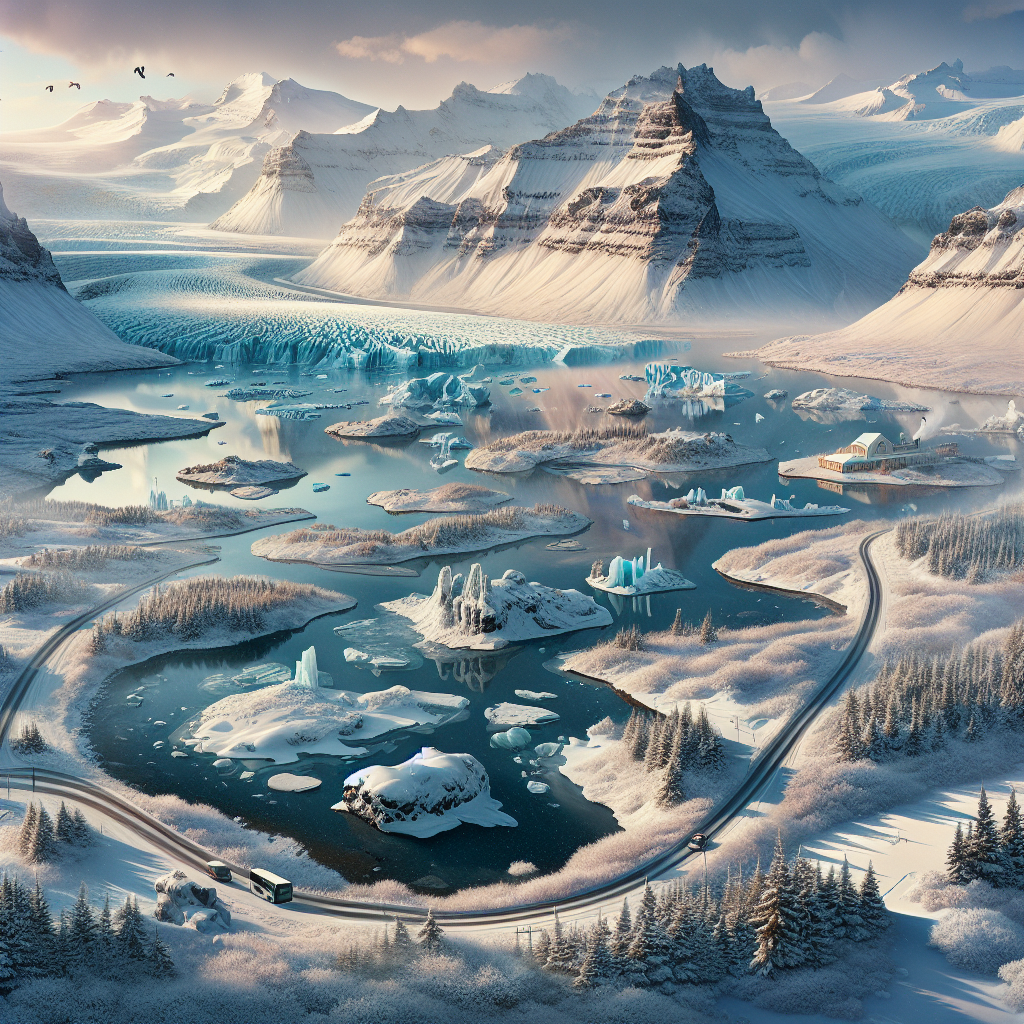
Our adventure spanned five days, beginning at Keflavik and culminating at Jökulsarlon, an enchanting glacial lagoon nestled beneath Vatnajökul. Covering 420 kilometers, the drive typically requires about five hours. Faced with the unpredictability of Icelandic weather, we opted for a more leisurely pace—splitting the drive into two days to fully appreciate the myriad sights along the way.
Traveling to South Iceland Without Breaking the Bank
Iceland often gets a reputation for being prohibitively expensive, but we discovered otherwise. After researching flights, we booked a Wednesday departure and a Monday return from Copenhagen, with only a modest fare of €230 each way. A little flexibility could have shaved even more off our costs, as a 6 a.m. flight would have been cheaper.
Our accommodation decisions were budget-conscious—staying in cozy cabins and preparing our own meals. A night spent at a self-catering hotel and another at a charming B&B with shared facilities kept our expenses in check, averaging around €100 per night.
Renting a Car: The Best Way to Explore
A four-wheel drive vehicle is ideal for Iceland’s rugged terrain, yet we managed just fine in our compact Polo, rented for €190 over five days. We focused our itinerary on accessible sights, saving our funds for the ice cave tour. Regrettably, we couldn’t reach Dyrhólaey, a striking natural arch, as the approach was off-limits to standard vehicles.
Driving along the Ring Road (Route 1) is relatively straightforward. It’s well-paved and avoids steep inclines or sharp bends. Venture off the main path, however, and be prepared for rougher terrain. Many tourists opt to stay in Reykjavik and take day trips, but I believe this limits the adventure. The true beauty of Iceland unfolds the farther you venture from the city.
Day 1: From Keflavik to Lambafell
Driving from Keflavik to Lambafell – 2.5 hours, 184 km.
Arriving in Keflavik in the afternoon, we set our sights southwards toward Lambafell—a cluster of holiday homes tucked away from the urban hustle. We sought refuge in the serene countryside, hoping to escape the city’s light pollution for a better shot at witnessing the Northern Lights.
Our cabin in Lambafell provided a cozy base, allowing us to cook our own meals. A hidden gem indeed.
Day 2: Morning Soak and Black Sand Beaches
Drive from Lambafell to Jökulsarlon – 3 hours, 226 km.
Day two unfolded with much anticipation for adventure. We began at Seljavallalaug, a hidden geothermal pool just a short drive and a brisk 20-minute walk from our cabin. Nestled in a scenic valley, the warm waters offered an exhilarating soak surrounded by stunning landscapes.
Reynisfjara Beach
Next, we visited Reynisfjara Beach, renowned for its dramatic black sand, striking basalt columns, and crashing waves—powerful enough to have claimed lives in the past. While the beauty of Iceland is undeniable, it demands respect; nature here can be as treacherous as it is awe-inspiring.
Awe-Inspiring Landscapes
Continuing eastward, we made our way to Jökulsarlon. The landscapes that unfolded before us showcased Iceland’s breathtaking variety—endless pastures dotted with horses and reindeer, transitioning to expanses of volcanic rock cloaked in moss.
Day 3: Exploring the Ice Cave
Drive from Jökulsarlon to Stokksnes and back – 1 hour, 86 km each way.
The highlight of our trip had arrived: the ice cave. Ice cave tours draw eager travelers, and I quickly learned that an extended photo tour might have been the better choice. Those typically last seven hours, taking you to less accessible caves. Our shorter stint was three hours—certainly captivating but crowded.
Safety is paramount; traversing the glacier alone is ill-advised. I opted for the earliest tour to dodge the crowds, excited to capture this natural wonder on camera.
Monster Truck Adventure on the Glacier
Our journey began at the Jökulsarlon café, where we met our guide and boarded a massive monster truck. Despite the rain—actually a blessing for viewing the cave—the mix of conditions worked in our favor, enhancing the ice’s clarity.
The drive to the glacier felt otherworldly, with lunar-like landscapes surrounding us. It’s no surprise that filmmakers have chosen this scenery for films set on other planets.
Once fitted with crampons, we carefully descended into the cave. It was slightly cramped, but the vibrant blue shades of ice took my breath away. I juggled my camera and tripod among fellow explorers, squeezing in my shots while navigating the tight quarters.
Exploring Stokksnes
After our ice adventure, we made a beeline for Stokksnes, a peninsula adorned with dramatic peaks. Upon arrival, we felt as if we were roaming another planet. Entry costs €6, a small price to pay for the stunning views.
Behind the café lies a film set resembling a Viking village. Though not an authentic historical site, it fits seamlessly into the breathtaking backdrop.
Hoffell Hot Tubs
As dusk approached, we passed by Hoffell Hot Tubs and decided a soak would be the perfect way to end the day. Just €8 each, we sank into the five outdoor tubs nestled against a rocky wall—pure bliss after a day of adventure.
Day 4: Diamond Beach and Horses
Drive from Jökulsarlon to Lambafell – 3 hours, 250 km.
Our journey homeward began with a stop at Diamond Beach, where glacier fragments glisten like jewels against the black sands. Capturing their beauty proved challenging amidst rain and wind, but the spectacle was awe-inspiring nonetheless.
Debating whether to visit Svartifoss, we ultimately opted out due to inclement weather. Iceland’s unpredictability teaches patience, and fate still filled our day with delightful encounters, such as greeting a herd of Icelandic horses.
Chasing the Northern Lights
That evening, as we dined at the Hotel Skogar, my Northern Lights app signaled a potential sighting after 10 p.m. Glancing out from our log cabin, I spotted a faint glow above the mountains. Armed with my tripod, I ventured into the night, camera in hand, to capture the magical display.
Final Day: Waterfalls and Geothermal Wonders
Drive from Lambafell to Sandgerdi – 2.5 hours, 200 km.
Our final day dawned with stunning pink clouds framing the sky. With shorter winter days, we could relish the tranquil beauty of an Icelandic morning.
Seljalandsfoss Waterfall
Our first stop was Seljalandsfoss, where visitors can walk behind the cascading water for a unique perspective. Just down the path, we discovered Gljúfrabúi, a hidden gem tucked within a narrow gorge—an adventure deliberately rewarding those willing to explore.
Seltun Geothermal Area
Next, we headed to Seltun, also known as Krysuvik, to witness Iceland’s geothermal activity. Bubbling mud pools and colorful mineral deposits envelop you in an otherworldly atmosphere.
Final Thoughts
On our last night, we settled into a cozy cabin near Keflavik, equipped with its own hot tub—an ideal setting for our final hopes of seeing the Northern Lights. As the sky clouded over, we soaked in the hot waters, cherishing the serene end to our Icelandic adventure.
For those considering a winter trip, the months of November to March reveal Iceland’s ice caves and majestic Northern Lights in all their glory. Embrace the unpredictable weather, enjoy the solitude of fewer crowds, and relish the ethereal beauty that winter brings.
Helpful Links:
Check out Hotel Lambafell, perfectly situated for Northern Lights viewing, and download My Aurora Forecast for the best chances to spot the aurora.
