

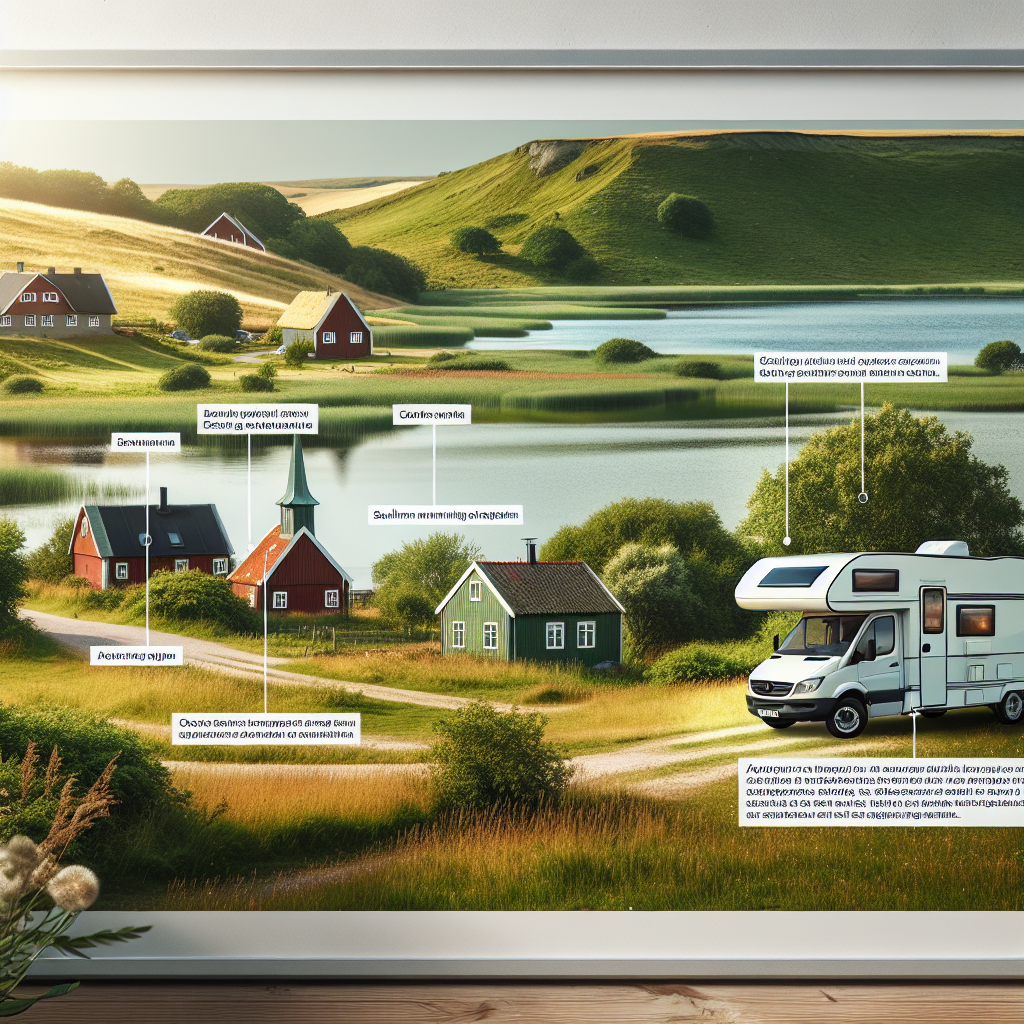
IN an unexpected twist of midlife cliché, I found myself the proud owner of a campervan affectionately named Margo, alongside my trusty companion, a dog called Maggie May, all acquired during the lockdown years. My dreams drifted towards a life enriched by the Scandinavian allure of dense forests, cozy cafés, and the thrill of foraging. I took to the cold sea for invigorating swims. While embracing this cliché, Margo has opened doors to adventures my partner, our dog, and I may not have otherwise experienced. We’ve journeyed across the picturesque Lake District and camped along the stunning Welsh coastline. Last year, we set our sights on the continent.
Our initial plan for 2022 was to venture towards northern Spain; however, wildfires necessitated a last-minute change, leading us to the enchanting landscapes of Wales—a lovely detour, though it didn’t quite fulfill our desire for the international experience. So, in June, we made a fresh attempt, this time directing our wheels eastward from Calais, aiming for Denmark and southern Sweden, with Malmö as our ultimate destination.
The road to Denmark unfolded simply: we traveled east through the charming landscapes of Belgium and the Netherlands before entering Bremen in Germany, and then headed straight north. The temptation to linger in the scenic vistas was strong, yet with 700 miles ahead, we pressed on, exhilarated as we crossed one frictionless border after another.
Our goal was to follow the Danish coastline as much as possible, steering clear of bustling cities, and savoring as many swimming opportunities as we could find. With all our essentials loaded in Margo, our planning was minimal, allowing us the freedom to either reserve campsites a night in advance or simply find a spot as we went along.
Our first Danish destination after the German autobahn was the well-organized Sandskaer Strandcamping, nestled by the fjord near Aabenraa, and framed by rolling, forested hills. Here, we discovered the coastal hiking trail, Gendarmstien, which hugs the Denmark-Germany border, offering stunning views of the Flensburg fjord.
The warm welcome at Danish campsites is something to behold. We found ourselves parked among a delightful array of upscale caravans, each complete with tiny garden fences, outdoor kitchens, and even washing machines. The cheerful greetings of fellow campers were delivered in a mix of Danish and impeccable English. Nearby, some Danish teens played death metal at a surprisingly low volume, yet dutifully turned it off at the stroke of 9 PM. My new favorite campsite ritual quickly became ordering fresh pastries for breakfast, set to be collected the following morning.
Following the picturesque island of Funen, celebrated as the birthplace of Hans Christian Andersen, we set up our base at Faaborg Camping, located by the quaint harbor town of Faaborg. This idyllic site was perfect for us to explore the south coast, where ferries depart for the lush archipelago further south. Yet the highlight for us was the municipal swimming pier, offering easy access to pristine waters just steps from our camper.
Our timing in June was fortunate, with golden sunshine gracing us throughout the trip. Yet, as we parked at hot, arid campsites with hard, cracked ground, it was a beautiful sight mingled with growing concern. Without air conditioning, we sought refuge in shaded forests and enjoyed picnics by serene inland lakes, taking refreshing dips to cool off.
Afterward, we headed eastward to Nyborg, where we crossed over to Zealand via the sixth-longest suspension bridge in the world. Our target was Roskilde, an ancient Viking port nestled at the end of a fjord. The main campsite there, Roskilde Camping, blends seamlessly into a landscape dotted with pine trees, washed by the fjord’s waters, and features a beach that draws in the town’s youth after school.
For just over £20 a night, we set up camp on a small hill, shaded by trees with stunning views of the water. The campsite offered comfortable amenities including a pizzeria, bar, and café. Consistent with the trend, water was conserved, with a prepaid card allowing for three-minute showers—needless to say, laundry required its own topping-up.
With plans to head north again, we ventured through a landscape that felt straight out of a fairytale—a delightful mix of East Anglia’s timber-framed cottages in soft pinks and the whimsical charm of a Disney film, complete with picturesque farms and perfect horses. Tisvilde, situated on the north-west coast, is akin to Denmark’s version of Martha’s Vineyard, boasting upscale homeware shops, artisan ice cream parlors, and a vast, windswept beach called Tisvildeleje Strand, bordered by rolling dunes.
As we crossed into Sweden via the ferry at Kronborg, just north of Copenhagen, we arrived in Helsingborg a mere 40 minutes later, embracing the ease of travel between the countries.
In south-west Sweden, we found a land that felt familiar yet subtly altered. The farms were larger, the roads more expansive. In Borstahusen, once a sleepy fishing village now thrumming with second homeowners, quaint cottages lined the lanes.
Dining at the upmarket yet surprisingly affordable fish restaurants along the harbor, we indulged in delightful meals, followed by a stroll back to yet another charming shoreside campsite, Mötesplats Borstahusen, where the dusk light lingered at 11 PM.
Our journey culminated in Malmö. After twelve sun-soaked days, we parked Margo and checked into the stylish MJ’s hotel. Contrary to our fears of Scandinavian prices draining our wallets, we found that costs here were pleasantly lower than those back home, allowing us to indulge in the city’s trendiest cocktail bar conveniently located within our hotel.
Malmö is a “20-minute city,” designed with walking and biking in mind. Its medieval squares are framed by a picturesque canal, and the striking castle and Slottsparken reflect the area’s deep-rooted history, accented by traditional windmills. I relished exploring the park’s herbal gardens before seeking shelter from the scorching sun. As the heat bore down, we turned a self-drive canal boat tour into an exercise in survival, all while our longed-for cinnamon buns remained untouched.
Our final destination was the enchanting Ribersborg’s Kallbadhus, a seaside sauna reminiscent of a scene from a Wes Anderson film, characterized by a long pier and its distinctive sage-green facade. For a modest fee and no reservation necessary, I stepped into the communal world of the Swedish sauna.
I went back and forth between exhilarating dips in the sea and the warm embrace of the sauna, which boasted stunning views over the water, and sun-soaked moments on the wooden deck. The cobalt sky, void of wind, made it feel as if time had compressed into a flat, serene tableau.
As we reluctantly turned Margo towards home, my heart felt heavy. With a steady diet of hotdogs and sweet cinnamon buns blending into the backdrop of blissful days, we emerged transformed—happier and healthier than when we began. Crossing the iconic Øresund bridge, we skirted around vibrant Copenhagen, eventually boarding a ferry bound for the German coast and the journey back home.
LeShuttle operates crossings from Folkestone to Calais. For more information see visitsweden.com
