

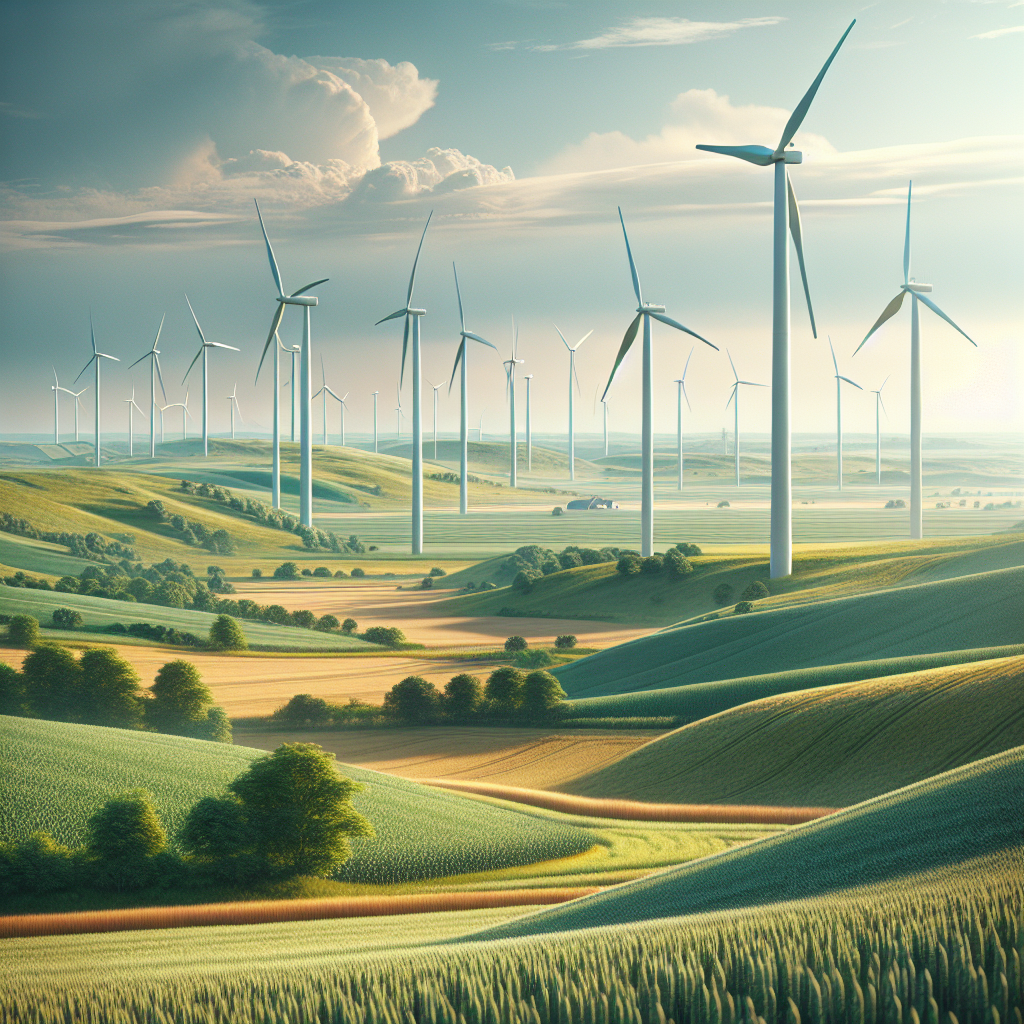
As Wind and Solar Surpass Fossil Fuels Across the EU, Denmark Sets the Standard and Charts a Course Away from North Sea Oil.
In a landmark achievement for sustainable energy, 2025 saw the European Union collectively generate more electricity from wind and solar sources than from fossil fuels. This pivotal moment, revealed in a recent report by the British think tank Ember, marks the first occasion where renewable energy has outpaced fossil fuels in the EU’s electricity composition.
Leading this renewable revolution is Denmark, where wind and solar now account for an impressive 71 percent of the nation’s electricity production. This remarkable figure gives Denmark the highest proportion of renewable electricity in the European Union, solidifying its reputation as a global leader in clean energy. The Danish model proves that substantial reliance on renewable sources is achievable without depending on fossil fuels.
Despite its green credentials, Denmark remains a significant player in the oil production arena, with much of its extraction taking place in the North Sea—a sector that has historically bolstered the Danish economy. However, a recent political accord in the Danish Parliament heralds a transformative shift in the future of North Sea energy.
Aligned with the ambitions set forth in Denmark’s Climate Act, the agreement outlines a clear commitment to maintaining its status as a green pioneer. By 2050, the extraction of oil and gas in Denmark’s section of the North Sea will cease, paving the way for a dedicated emphasis on renewable energy. This strategic move underscores Denmark’s unwavering dedication to building a sustainable energy framework for the future.
